







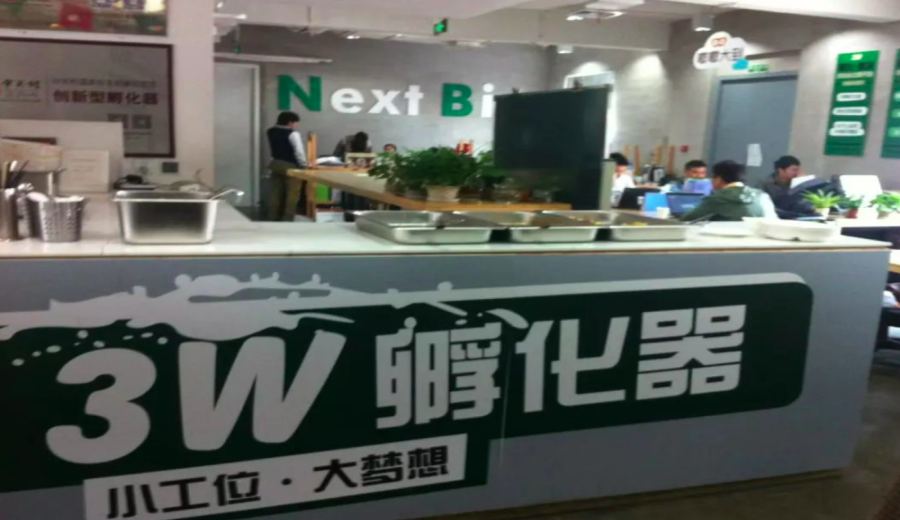
Introduction:3W Coffee, China’s first crowdfunding-based café and once a landmark in Zhongguancun, has officially had its business registration canceled. This entrepreneurial café, backed by over a hundred prominent figures from the investment world, was once a pilgrimage site for makers but has now quietly exited the stage amid changing times. This article delves into the rise and fall of 3W Coffee, exploring how the entrepreneurial café model transitioned from booming to fading, as well as the current state and challenges of the startup incubation ecosystem.
The former landmark of Zhongguancun and China’s first crowdfunding-established café, 3W Coffee, has recently completed its official deregistration process. Launched in 2011, this entrepreneurship-themed café, with its unique crowdfunding background and venture capital resource integration capabilities, once became a sacred place for many startups.
The shareholder list of 3W Coffee is remarkably star-studded, including about 180 heavyweight figures from the internet industry such as Shen Nanpeng, Xu Xiaoping, and Zeng Liqing. The backing of these investors and executives transformed the café not just into a beverage sales point, but also an important platform for connecting entrepreneurs with capital.
As the first-of-its-kind crowdfunding café model in China, 3W Coffee had a precise positioning, primarily serving the “maker” community—those with entrepreneurial dreams—including grassroots entrepreneurs, IT professionals, college students, and various types of investors. This café-based startup incubation concept sparked widespread imitation during the then-booming entrepreneurial wave.
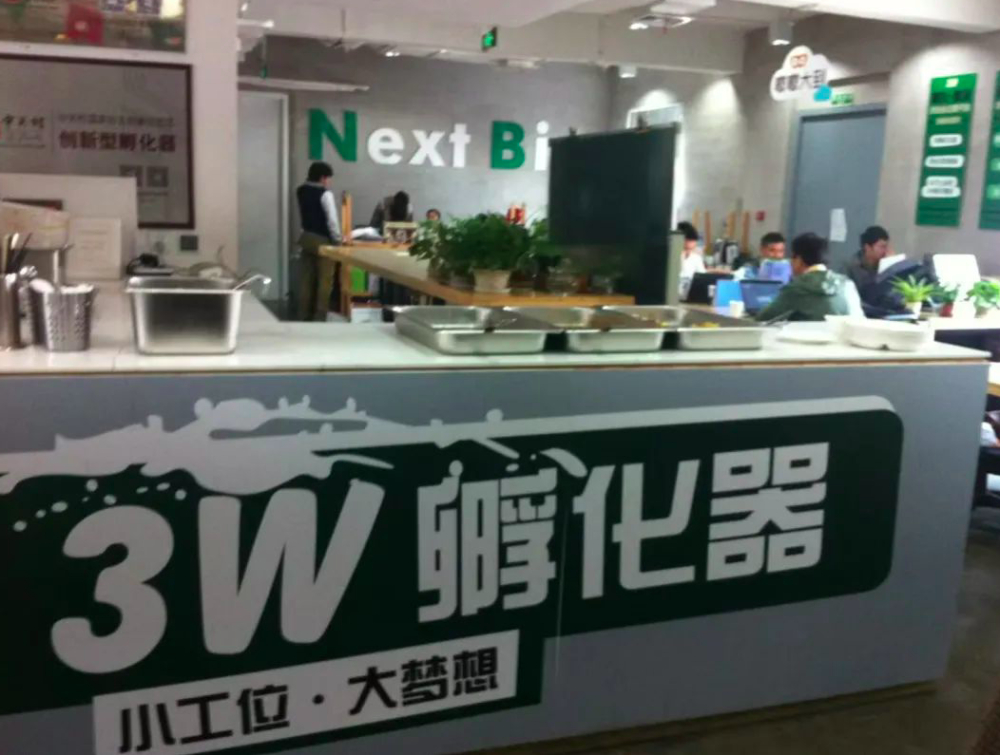
During the height of the entrepreneurial fervor, 3W Coffee was almost always packed, with entrepreneurs holding business plans and seeking investment opportunities visible everywhere. This lively scene reflected the vibrant ecosystem of Chinese startups at the time.
However, times have changed. As early as March this year, media reported that this once bustling café had its doors locked, with only messy office items left inside. Although the café explained at the time that it was due to the expiration of the lease, just five months later, its business status officially changed from “active” to “canceled.”
The closure of 3W Coffee is not an isolated case, but rather a microcosm of the broader transformation within the entrepreneurial café industry. These “startup cafés” are fundamentally different from ordinary coffee shops—their core value does not lie in the coffee itself, but in the startup incubation and resource connection services they provide. Take Garage Café as an example; its focus is on offering free Wi-Fi, information-sharing spaces, and low-cost workstations (about 20 RMB/day), while also requiring users to maintain a minimum attendance rate.
Most visitors to these entrepreneurial cafés are not there to enjoy coffee, but rather to gain project exposure or attract the attention of investors.In fact, coffee sales revenue often accounts for only a very small proportion of overall income, which is fundamentally different from traditional coffee business models.
With changes in the entrepreneurial environment—including higher barriers to entry, intensified market competition, and more cautious investors—there has been a noticeable decline in the number of entrepreneurs, naturally impacting café models that rely on the startup ecosystem. The deregistration of 3W Coffee can be seen as a concrete manifestation of this era’s transformation.
From the rise and fall of 3W Coffee, we can observe the development trajectory of the entire entrepreneurial café industry—from its initial boom to gradual cooling, and eventually to a shakeout. This process also reminds us that the success of any business model depends on keen insight into and timely adaptation to changes in the market environment.
The above content is compiled by CoffeeHunters, a coffee news website.


