







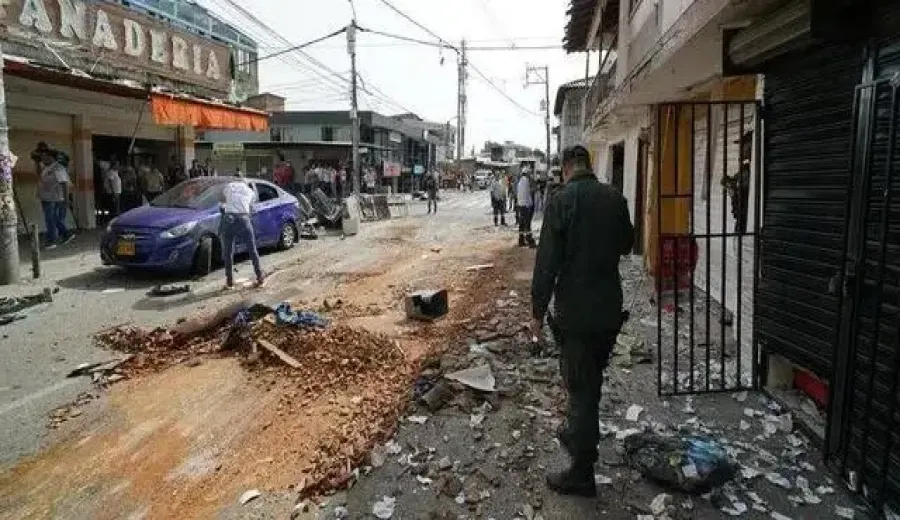
Introduction:The conflict between the Colombian government and two major armed insurgent groups has escalated once again, with several key coffee-growing regions in the southwest and northeast directly affected. This article provides an in-depth analysis of the potential impact on coffee cultivation, harvesting, and export chains, explores trends in international bean prices, and offers advice to consumers on selecting consistently high-quality coffee during times of instability.
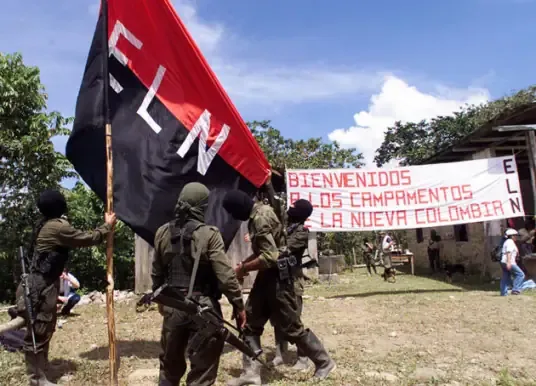
On August 5, Colombia’s Ministry of Defense officially announced the termination of the ceasefire agreement with the National Liberation Army (ELN), a major anti-government armed group, with related military operations resuming immediately. The ceasefire, originally set to expire on August 3, was not extended, and this came alongside intensified government military actions against factions of the former Revolutionary Armed Forces of Colombia (FARC)—now known as the Central General Staff. As a result, the domestic security situation has deteriorated sharply.
Defense Minister Iván Velásquez emphasized in a press conference that the government no longer had a basis to continue the agreement due to the ELN’s failure to comply with ceasefire conditions. Meanwhile, the ELN accused the government of breaching the agreement and stated that it would not return to the negotiating table unless it was removed from the list of “organized armed groups.” Founded in 1964, the ELN currently has around 4,500 members and is the second-largest guerrilla group in Colombia after the former FARC.

President Gustavo Petro, who took office in August 2022, had initially been actively pursuing peace talks with the ELN, but recent negotiations have reached a deadlock. The ELN has even warned that if funding shortages persist, it may resort to illegal activities such as kidnappings and robberies to sustain its operations. At the same time, the government military announced in July the end of the ceasefire with certain factions of the Central General Staff and launched comprehensive military operations against the group—notably, the Central General Staff is a remnant of the former FARC, meaning the Colombian government is now facing challenges from both major anti-government forces simultaneously.
The main areas of activity for these armed groups are concentrated in the southwestern provinces of Chocó, Cauca, Nariño, and Putumayo, as well as the northeastern province of Norte de Santander. Ironically, these are also some of the country’s most important premium coffee-growing regions, home to numerous well-known farms and a large number of smallholder producers.The escalation of internal conflict not only threatens the safety of farmers but could also lead to labor shortages in growing areas and damage to infrastructure, directly impacting coffee harvesting, transportation, and quality consistency.
Recent local media reports have documented a series of violent incidents, including kidnappings, occurring in remote areas of these provinces, further exacerbating the sense of insecurity in the coffee-producing regions. Should military conflict intensify, it could not only force farmers to flee their homes but also disrupt the road networks connecting production areas to ports, severely affecting subsequent coffee processing and export procedures.
Colombia is the world’s third-largest coffee producer, and coffee exports are one of its key sources of foreign exchange. If the situation in the producing regions continues to worsen, there is not only a risk of declining coffee bean output, but also the possibility that anti-government forces may illegally seize and resell green beans to fund their operations—undoubtedly adding further strain to the stability of the international market supply chain.
It is worth noting that previously, due to forecasts predicting temperatures in parts of Brazil dropping close to 5°C, concerns about impacts on local coffee harvests led to a rebound in Arabica bean prices. Now, with renewed instability in Colombia’s coffee-growing regions,global coffee market supply pressures have increased further, and the upward trend in prices is likely to continue.
For coffee enthusiasts, in addition to keeping an eye on real-time developments in the producing regions, it is also relatively important to choose products with stable sourcing and reliable quality control. Some professional importers in the market have long been deeply engaged in various producing regions and, even in the face of international changes, can maintain the stability of product flavor and supply—making them a worthwhile consideration for everyday coffee enjoyment.
The above content is compiled by CoffeeHunters, a coffee news website.


