








Introduction:Delve into how Bolivia’s coffee industry has risen from historical lows to revival, from traditional cultivation in the Yungas Mountains to the innovative introduction of varieties like Geisha by the Rodríguez family. Learn how this landlocked South American country, despite rugged terrain and climatic challenges, produces specialty coffees with outstanding sweetness, and uncover the turning point where it shifted from drug crops to coffee farming.
Although Bolivia is one of the economically struggling countries in South America with limited coffee production, its coffee is beloved by global coffee enthusiasts for its unique sweetness and flavor. The country’s coffee-growing history dates back to the late 18th century, initially taking root in the Yungas region on the eastern foothills of the Andes, and only began commercial cultivation in the early 20th century. However, its coffee industry has faced numerous setbacks, including fluctuations in international market prices, policy changes, and even a period when it was replaced by drug crops. It wasn’t until 2022, when the government once again prioritized the coffee industry as a key development focus, that a revival opportunity emerged.
Bolivia features diverse terrain and unique climatic conditions, with an average national elevation exceeding 3,000 meters, making it one of the highest-altitude countries in the world. The country can be divided into three main climate zones: tropical plains, valleys, and highlands, among which the highland and alpine terrains provide ideal microclimates for coffee cultivation. Coffee originated in the Yungas region, particularly in Caranavi Province, which boasts fertile soil and a warm climate, and has long been the core coffee-producing area of Bolivia, giving rise to many COE competition-winning coffees.
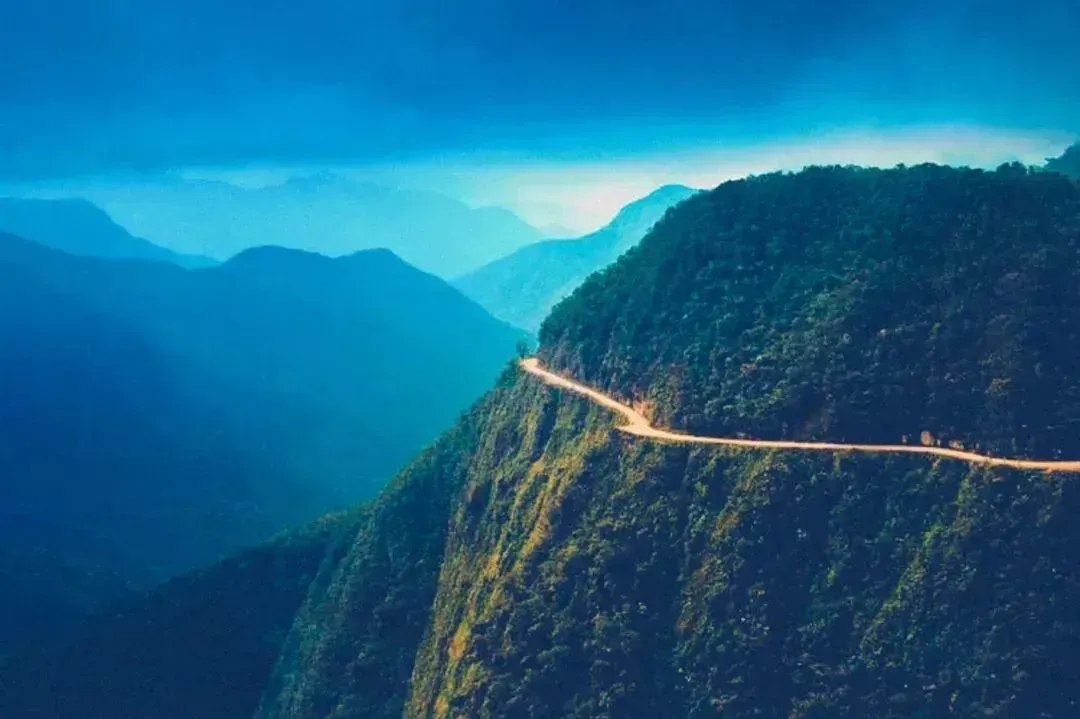
However, the development of Bolivia’s coffee industry has not been smooth sailing. In 1999, continuously low international coffee prices led many farmers to abandon coffee cultivation in favor of more profitable drug crops. Although the United States Agency for International Development (USAID) and the United Nations launched agricultural promotion programs and organized the Cup of Excellence (COE) competitions, the program was discontinued in 2009 due to a policy shift. Subsequently, with funding from U.S. anti-drug initiatives, some farmers returned to coffee farming and established several processing facilities, but the good times didn’t last — coffee prices fell again, and farmers reverted to growing drug crops.
It wasn’t until 2022 that the Bolivian government finally placed renewed emphasis on the coffee industry, incorporating it into the national development strategy, which gradually revived coffee cultivation. In addition to the traditional Caranavi Province, Samaipata in the eastern Santa Cruz region has also emerged in recent years as an up-and-coming coffee-producing area, producing an increasing number of high-quality coffee beans.
Among the many forces driving Bolivia’s coffee revival, the Rodríguez family (Los Rodríguez) has played a pivotal role. Since 1986, this family has been committed to cultivating high-quality coffee, not only acquiring land to establish their own farms but also investing significant effort in improving coffee varieties and techniques. They provide vocational training to local coffee farmers, offering detailed guidance on planting, harvesting, and post-harvest processing, and have built large-scale processing facilities to assist smallholder farmers in completing the refining and export processes of their coffee.
More notably, the Rodríguez family has actively introduced a diverse range of coffee varieties, including Java from Indonesia, the renowned specialty coffee Geisha, the large-beaned Pacamara, and SL28 with its bright acidity. The introduction of these varieties has not only enhanced the flavor complexity of Bolivian coffee but also increased its competitiveness in the international market, gradually drawing the attention of coffee cuppers and roasters.
Overall, although the path to reviving Bolivia’s coffee industry is fraught with challenges, with renewed government support, producers’ innovative efforts, and the advantage of its unique geographical environment, it is gradually reclaiming its place on the international stage. Whether you prefer sweet fruity notes or complex layered profiles, you can discover surprising delights in Bolivian coffee.
The above content is compiled by CoffeeHunters, a coffee news website.


