







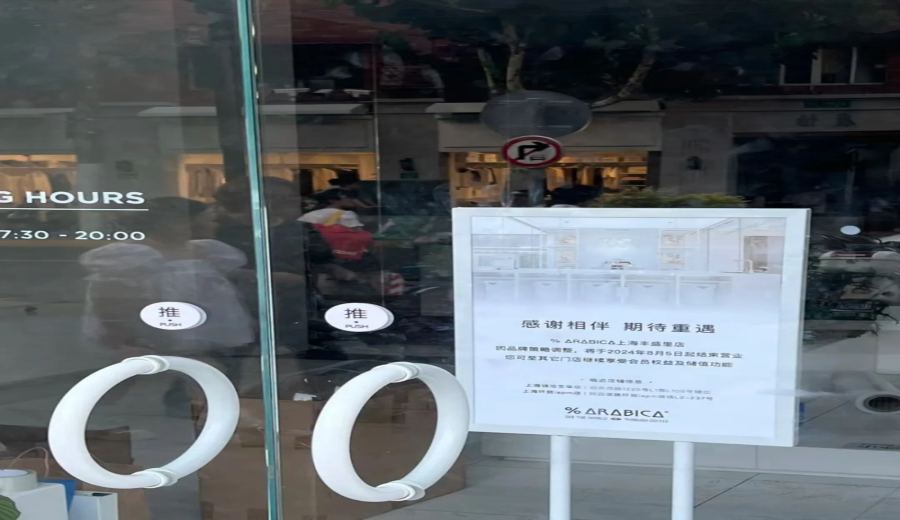
Introduction:The %Arabica store in Shanghai’s Fengshengli area announced its closure just six months after opening. This outlet, which once blended Shanghainese flair with ceramic tableware for in-store dining and a unique coffee experience, shut its doors on August 5, 2024, due to brand strategy adjustments. This article delves into the reasons behind its exit, analyzing factors such as surrounding competition, foot traffic changes, and brand positioning to help readers understand the challenges of the specialty coffee market and the importance of location strategy.
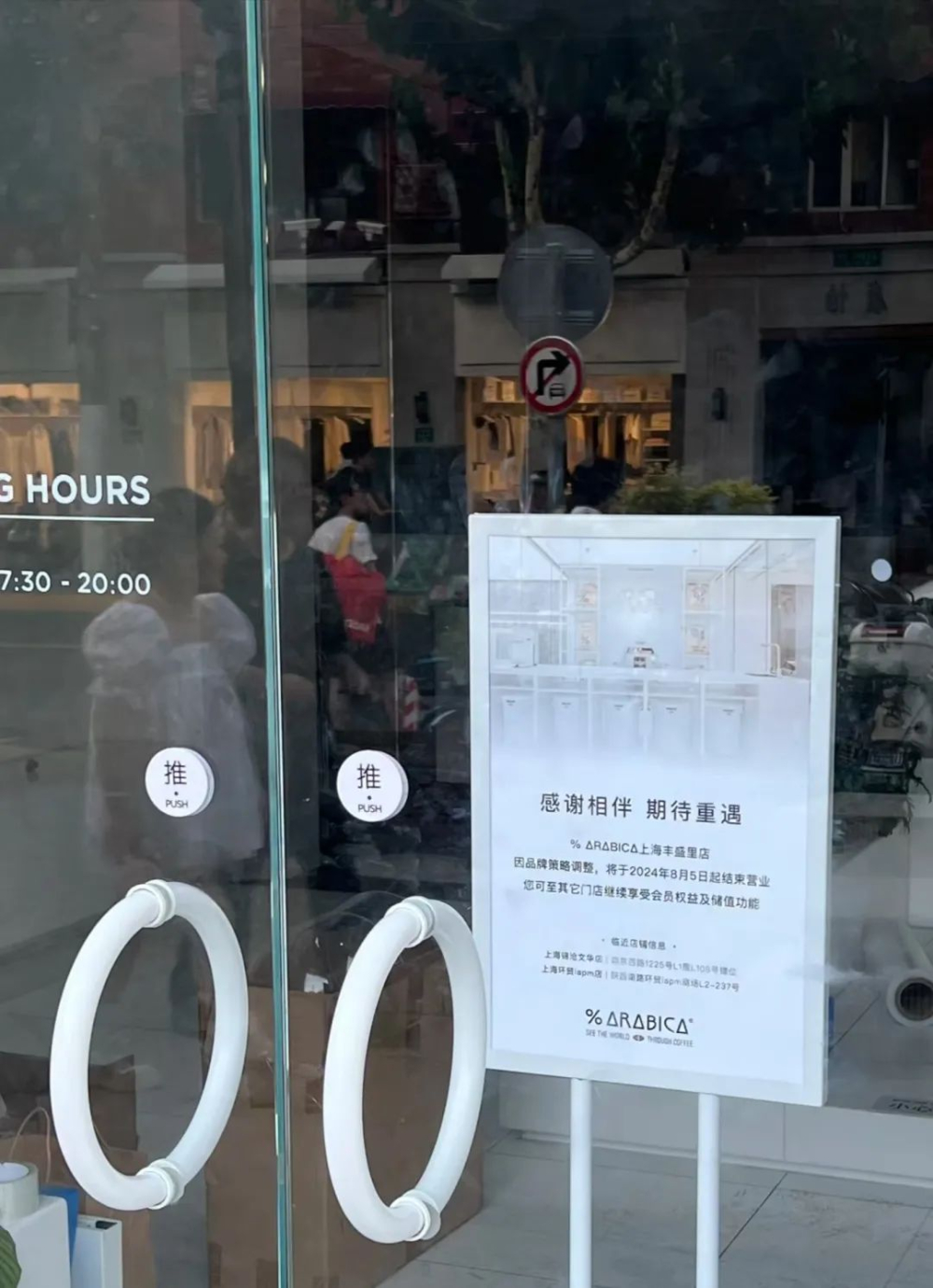
Recently, a %Arabica store in Shanghai’s Fengshengli posted a closing notice, announcing that it would cease operations on August 5, 2024, due to brand strategy adjustments. Opened just this February, the store was the first %Arabica concept shop to introduce ceramic tableware for dine-in service, combining the charm of old Shanghai’s Shikumen architecture with a unique customer experience—guests could blend beans under baristas’ guidance and observe the roasting process. However, in just half a year, the store quietly closed, surprising many regular customers.
According to on-site observations, the store was located near a subway station exit and once attracted many café-hopping influencers and photo-taking fans, enjoying high popularity in its early days. But recently, netizens noticed the store was empty, with a sign posted at the entrance announcing its closure. For many consumers, the notice came as a surprise—some had visited the shop just the weekend before, only to hear about its closure the next day.
This %Arabica store opened on February 2, 2024, and was the brand’s first outlet to feature ceramic tableware for in-store dining. The interior design incorporated elements of Shanghai’s cosmopolitan style, allowing customers to enjoy coffee and baked goods in a nostalgic atmosphere. Additionally, the store regularly updated its coffee bean menu, with professional baristas guiding customers in blending beans and even offering a view of the roasting process from green to roasted beans, adding an interactive experience.
However, from construction hoarding to opening and now to quiet closure, the entire process lasted only six months. Nearby residents recalled that the opening drew large crowds of visitors taking photos, but over time, foot traffic noticeably declined. Some pointed out that while Fengshengli has the potential to be a tourist hotspot,weekday foot traffic is limited, making the overall competitive environment even more intense.
In fact, the Fengshengli area is home to more than ten coffee brands, including Blue Bottle Coffee’s third mainland store—the Zhangyuan branch—as well as chain brands like Luckin, Manner, and KUDOO, plus numerous independent cafés. In comparison, although %Arabica boasts exquisite decor and a prime location,it entered the market later than Blue Bottle Coffee, and its product value-for-money ratio couldn’t compete with Manner, which has long been established in the area, making it difficult to attract a stable customer base.
Industry analysts believe the store’s closure may be related tobrand strategy adjustments, or possibly due to persistently low foot traffic leading to revenue insufficient to cover high rent and operational costs, ultimately prompting a timely exit to cut losses. Previously, the chain brand Costa also closed its long-standing store that had operated here for over a decade, showing that even well-known chains face challenges amid fierce competition and fluctuating foot traffic.
For specialty coffee brands, choosing a location involves not just foot traffic but also the surrounding competitive landscape, consumer habits, and alignment with brand positioning. The case of %Arabica’s Fengshengli store offers valuable insights for the industry, reminding brands to comprehensively evaluate multiple factors when expanding, in order to stand firm in a competitive market.
The above content is compiled by CoffeeHunters, a coffee news website.


