







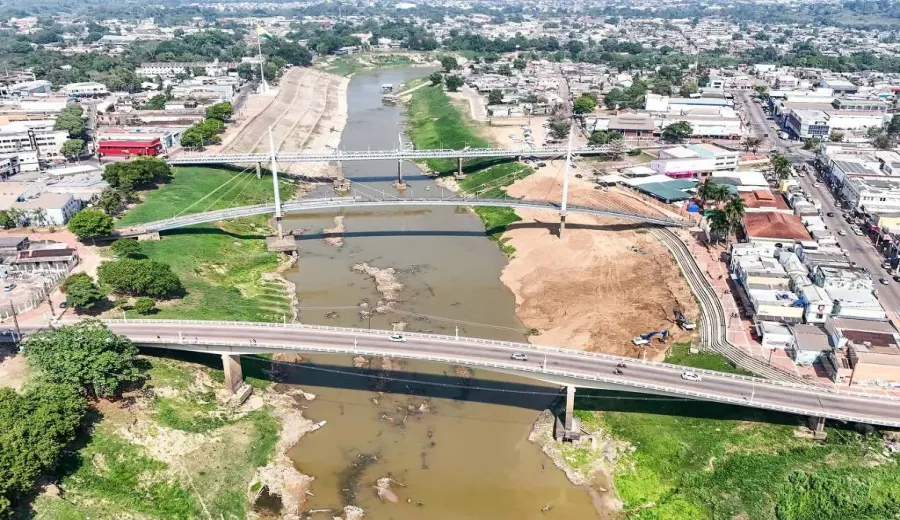
Introduction:As the world’s largest coffee producer, Brazil has recently experienced an exceptionally severe drought in its central regions, with over 3,000 cities facing water shortages and more than 1,000 of them enduring extreme drought conditions. This article delves into the actual impact of the drought on crops such as coffee, including abnormal rainfall patterns in producing areas, critical river water levels, and the looming threat of a continuing La Niña phenomenon. It also explores trends in international coffee market prices to help readers stay updated on the latest developments in producing regions and market shifts.
Brazil’s National Meteorological Institute (INMET) recently issued a warning indicating that the drought situation in the country’s central regions is worsening, with this year’s dry season proving harsher than usual. Currently, over 3,000 cities nationwide have been affected by varying degrees of drought, with more than 1,000 experiencing extreme or severe drought. Multiple regions, including Acre and Amazonas states, have declared states of emergency, with frequent wildfires and noticeably dropping river levels posing serious threats to the yields of key crops like coffee.
Cooxupe, one of Brazil’s largest coffee cooperatives, reported that many coffee-producing areas have gone without rainfall for over three consecutive months, and meteorological forecasts suggest that August may see zero rainfall as well. Coffee farmers are now pinning their hopes on the post-dry-season months of September and October when rainfall is expected to return, aiding crop recovery. However, meteorologists have issued warnings that the potential onset of La Niña could once again disrupt weather patterns, further impacting coffee yields in the next harvest season.
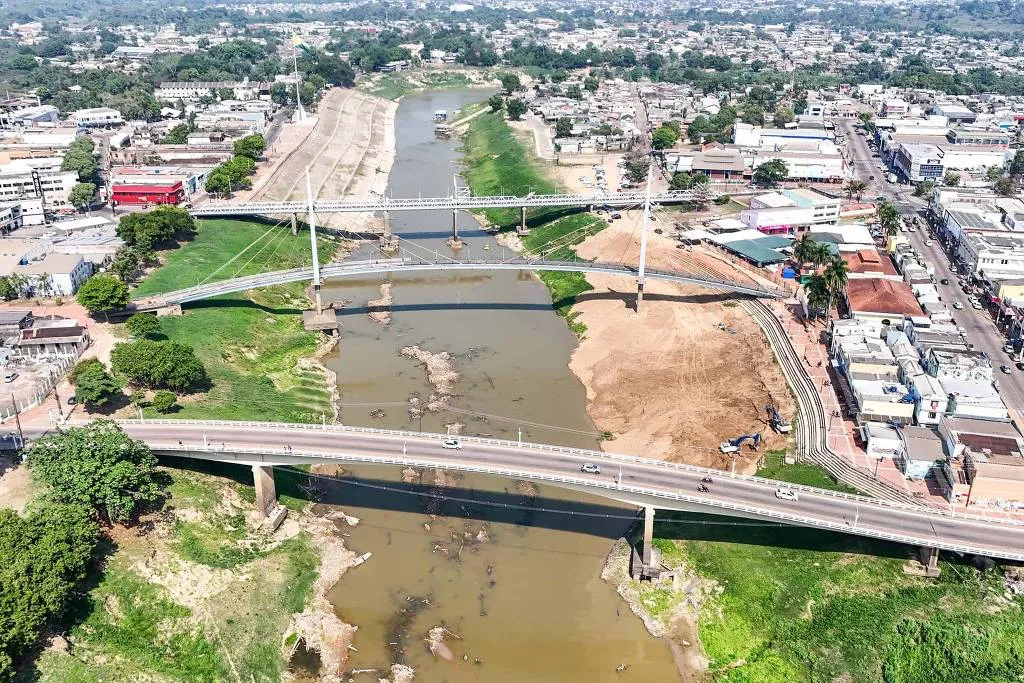
According to a July 31 alert from Brazil’s National Meteorological Institute (INMET), the central regions of the country are expected to remain dry, with persistently low relative humidity. Notably, since mid-to-late April of this year, the central regions of Brazil have seen almost no significant rainfall. While June to October is traditionally the dry season in Brazil, this year the central areas are not only drier than usual but also experiencing notably higher temperatures, adding extra stress to the growing environment for crops.
On July 30, the government of Acre state declared a 180-day state of emergency across the entire Amazon region due to the ongoing deterioration of the drought, which has led to severe water shortages, wildfires, and land subsidence. The state government stated that since June, river levels within the state have dropped significantly, and even when rainfall occurs, it has been insufficient in volume, with the trend of decreasing rainfall unable to effectively alleviate the drought.
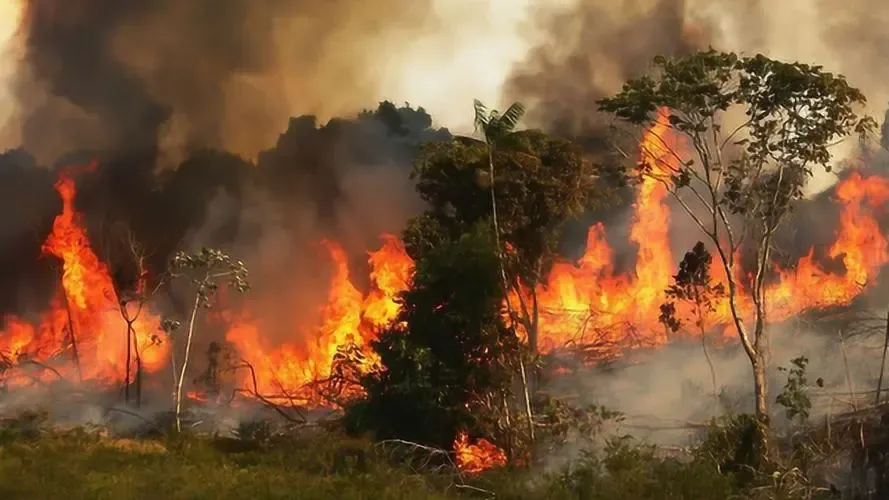
The neighboring state of Amazonas faces an equally severe situation, with 20 cities having already declared states of emergency due to the drought, and this year’s drought expected to be worse than the same period last year. Due to frequent wildfires in the southern part of the state and the Manaus metropolitan area — with a single-day record of 783 fire incidents — most cities in the state have also declared 180-day environmental emergencies.
Experts point out that as the dry season will continue until October, water levels in Brazil’s major rivers are currently declining steadily. Forecasts indicate that by October, the water levels of the Rio Solimões, Amazon, Rio Negro, and Rio Madeira will reach “critically low” levels. The government is concerned that last year’s historic drought could repeat itself this year, potentially dealing a severe blow to multiple Brazilian industries, especially agriculture and energy supply.
Brazil’s National Center for Monitoring and Early Warning of Natural Disasters (Cemaden) classifies urban drought severity from high to low into four categories: extreme, severe, serious, and moderate. Currently, over 3,000 cities across the country are experiencing these varying degrees of drought, with 1,024 cities in either extreme or severe drought. The most severely affected states include Amazonas, Acre, Espírito Santo, Mato Grosso do Sul, and São Paulo, where nearly all cities are facing drought issues of varying intensity.
In June, São Paulo state experienced its worst wildfires in the past decade, alongside a marked drop in air humidity. In Espírito Santo, drought-induced declines in reservoir levels have put the entire state on alert, with some regions seeing significant crop losses — particularly in coffee and other cash crops — resulting in millions of reais in economic losses for some farmers.
Moreover, the situations in Rio de Janeiro and Minas Gerais are equally concerning, with over 90% of cities in both regions experiencing drought. Soil moisture levels in Minas Gerais are approaching critically low thresholds, with the statewide average below 50%, and southern areas recording soil water storage levels below 42.6%. Due to drought-induced supply chain difficulties, 20% of the cities in the state have also entered a state of emergency.
Faced with the continuously worsening drought, production pressures in Brazil’s coffee-growing regions are mounting. With many areas having gone without rainfall for over three months and no rain expected in August, the growth and fruit development of coffee plants are facing serious challenges. Coffee farmers are hoping for sufficient rainfall when the rainy season arrives in September and October, but the looming threat of La Niña could further compound the challenges for the next harvest season’s coffee output.
With Brazil’s coffee production likely falling short of expectations and coffee inventories in major producing regions like Vietnam also running low, international coffee market prices continue to remain at high levels. Several European and American coffee producers have successively announced price hikes for their coffee products. Market analysis suggests that under the influence of multiple adverse factors, coffee prices may remain elevated for some time to come. Consumers and coffee enthusiasts should closely monitor how climate changes in producing regions could impact coffee flavor and supply, in order to adjust purchasing and brewing strategies accordingly.
The above content is compiled by CoffeeHunters, a coffee news website.


