







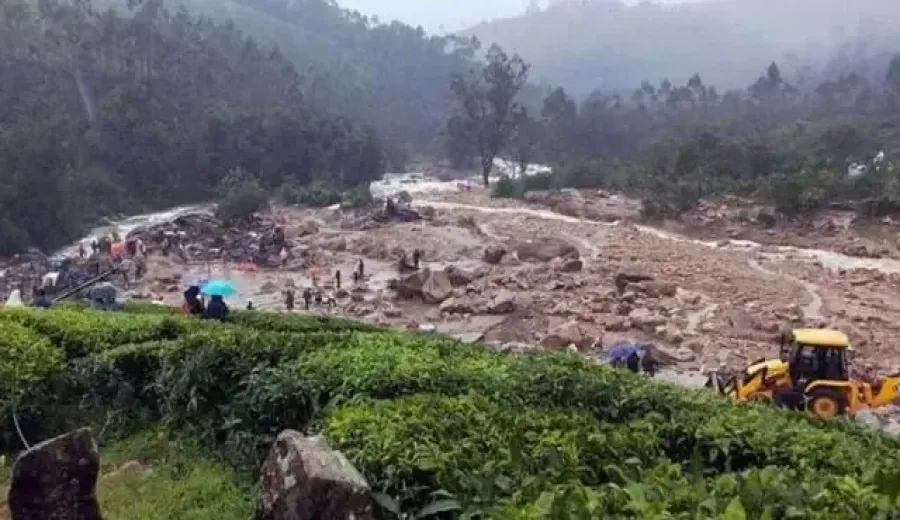
Introduction:In late July, heavy rainfall triggered massive landslides in the Wayanad district of Kerala, India, resulting in over 350 fatalities and severely impacting key coffee-growing regions. As one of India’s major Robusta bean production areas, this disaster is expected to significantly affect the supply of the 2024/25 harvest season. This article provides an in-depth analysis of the damage in the affected areas, the challenges in rescue efforts, and how it may reshape the global Robusta coffee market.
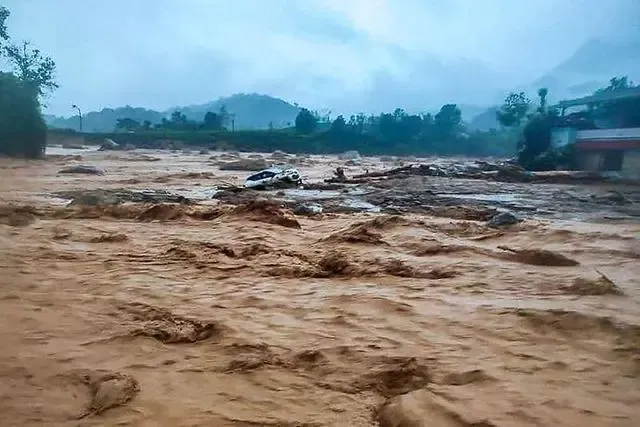
In the early hours of July 30, local time, persistent heavy rain in the Wayanad district of Kerala, southwestern India, caused massive landslides. According to the latest statistics, the disaster has claimed at least 358 lives, with hundreds still missing or injured. Beyond the human casualties and infrastructure damage, the area—known as one of India’s primary coffee-producing regions, particularly for high-altitude-grown Robusta varieties—is likely to see a significant impact on the upcoming new season’s harvest.
The disaster struck in the early morning hours, as days of continuous rainfall saturated the mountain soil, leading to a series of landslides. As of August 1, official reports indicate that the death toll has reached 295, with over 200 injured and approximately 240 people still unaccounted for. Due to ongoing rainfall causing road collapses and transportation disruptions, rescue teams have had to rely on helicopters to reach remote disaster zones. However, adverse weather conditions and challenging terrain continue to severely hinder rescue progress.
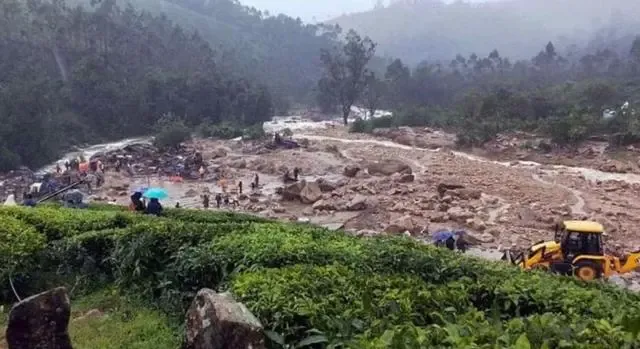
Local meteorological authorities have warned that widespread heavy rainfall may continue in the coming days, potentially reaching the level of “heavy to extremely heavy rain.” This will further complicate rescue operations and increase the risk of additional soil erosion and secondary disasters. In fact, the annual monsoon season in India, from June to September, is often marked by frequent thunderstorms and disasters such as floods, landslides, and mudflows. Earlier in July, the state of Bihar reported 19 lightning-related deaths and issued multiple weather alerts.
Experts point out that the severe landslides in the Wayanad region are closely linked to recent global climate anomalies. Long-term development has led to the destruction of mountain vegetation, and the increased frequency of extreme rainfall events has significantly raised the likelihood of natural disasters. This disaster-stricken area in southwestern India is not only a vital agricultural hub for local livelihoods but also a key pillar of India’s coffee industry.
The Wayanad district of Kerala features high-altitude environments suitable for coffee cultivation. While some areas grow Arabica varieties, the majority of farmland is dedicated to Robusta. Notably, Robusta accounts for over 70% of India’s total coffee production, and the new season’s Robusta beans are typically harvested between December and February. Therefore, the current heavy rainfall and landslides are very likely to directly affect the supply volume and quality of coffee beans in the coming months.
According to an earlier coffee production and sales report released by Indian authorities, the estimated total national coffee output for the 2024/25 season is around 6 million bags (each bag weighing 60 kg), of which Robusta makes up as much as 4.6 million bags—the main export variety. In comparison, Arabica production is approximately 1.4 million bags (each bag weighing 69 kg). If this disaster leads to severe damage in the Robusta-growing regions, it could deliver a considerable shock to the global Robusta supply chain.
In fact, in the first half of 2024, India’s coffee exports performed strongly, with total exports increasing by 13% year-on-year to 244,000 tonnes, generating impressive revenue of $926 million. Among these, Robusta exports saw significant growth, largely due to reported production declines in traditional Robusta powerhouses like Vietnam and Indonesia, coupled with international buyers’ concerns over supply stability during Brazil’s harvest season, leading to increased purchases of Indian Robusta.
Furthermore, with the European Union’s Deforestation-Free Regulation (EUDR) set to officially take effect by the end of this year, many European roasters and traders are actively stockpiling to comply with the upcoming regulatory requirements. Unfortunately, major global coffee-producing countries such as Brazil, Vietnam, and Indonesia have recently reported lower-than-expected yields, increasing the international market’s reliance on Indian coffee. Industry experts generally predict that the prices of Robusta and other types of coffee beans will remain high, at least through the end of the year.
Overall, the massive landslides in Kerala are not only a tremendous disaster for local residents but may also have a non-negligible impact on the global coffee market, particularly the Robusta supply chain. In the coming months, the industry will closely monitor the recovery progress in the disaster zone and the actual extent of damage to coffee plantations to assess the true production capacity and market trends for the new season.
The above content is compiled by CoffeeHunters, a coffee news website.


