







Introduction:Luckin has recently been rolling out new products containing concentrated fruit juices, significantly increasing the workload for its staff and even prompting jokes that its employees now resemble those at bubble tea shops. The latest news indicates that Luckin plans to launch a new product in August called “Qingqing Jasmine,” a light milk tea made with green coffee extract, milk, and jasmine tea. This move is seen as a signal of the brand’s return to the tea beverage market. This article takes an in-depth look at the potential positioning of this new product, Luckin’s past tea beverage strategies, and the strategic implications for the market.
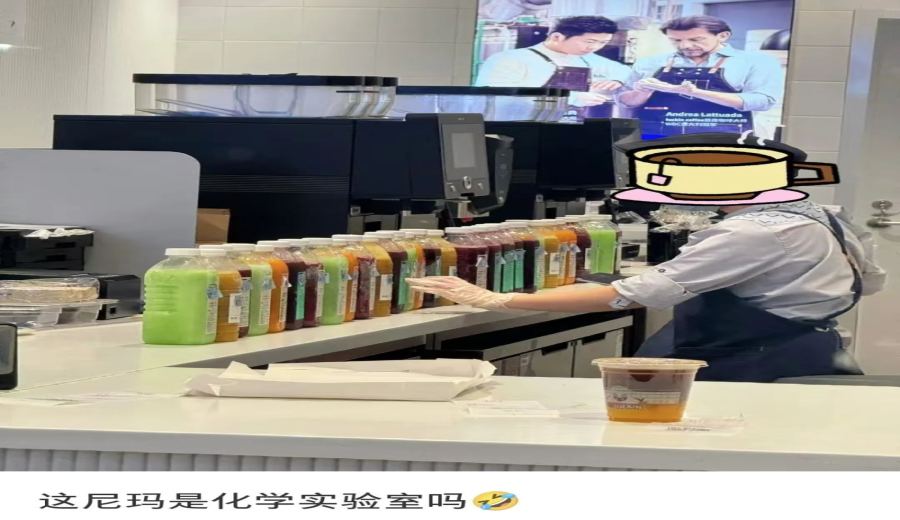
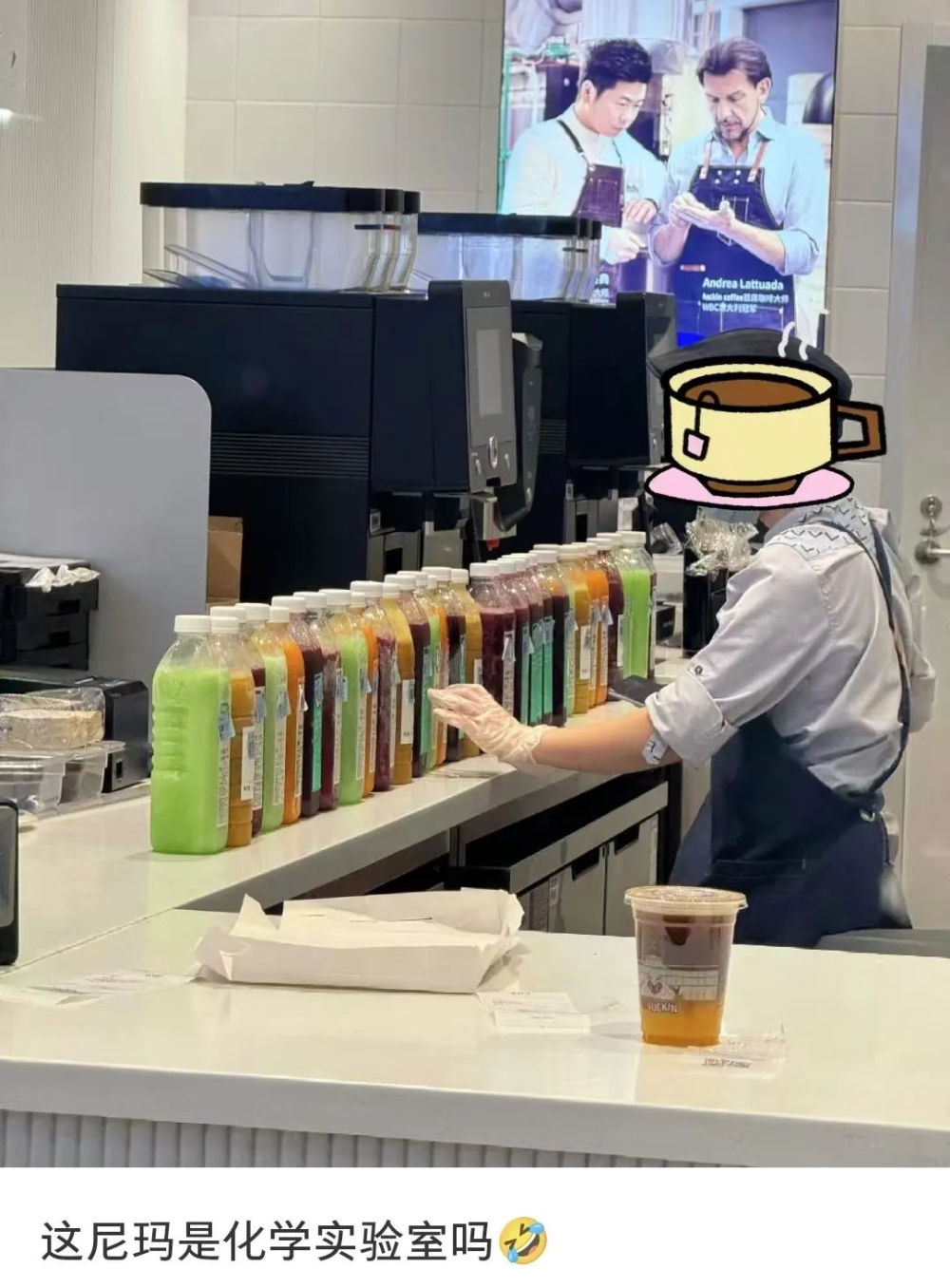
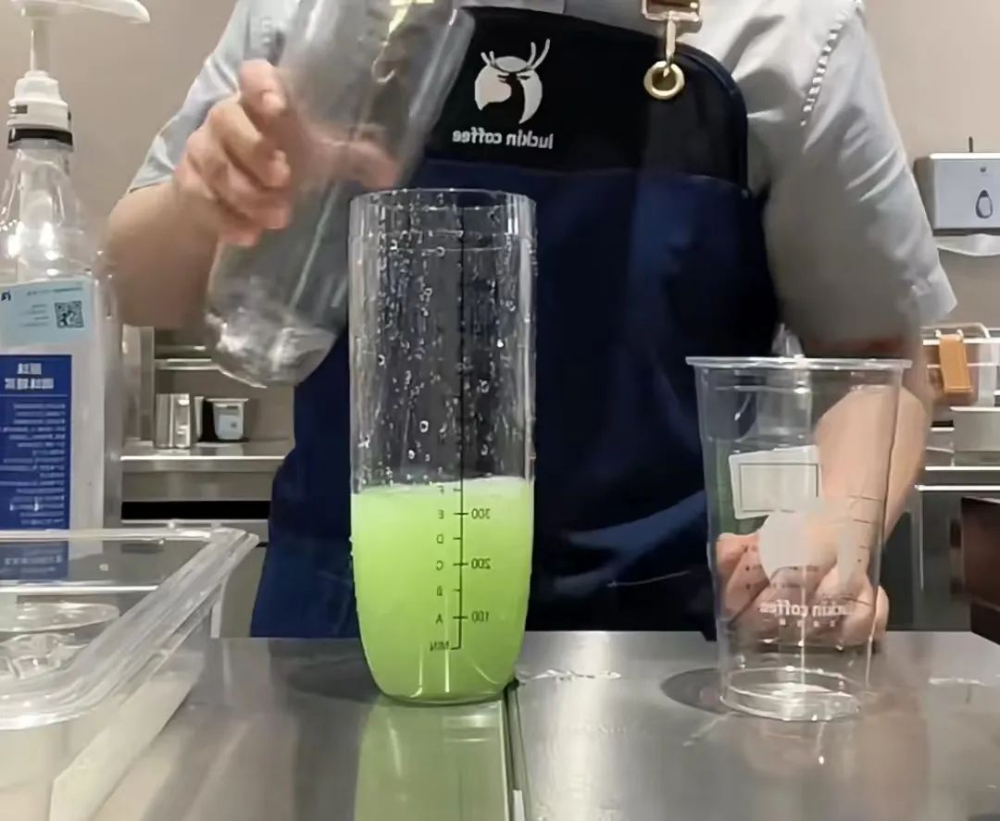
Recently, many customers picking up their orders at Luckin stores have been drawn to the more than ten bottles of concentrated juice lined up behind the counter. These brightly colored flavoring ingredients may look vibrant, but they’ve been a major headache for on-site staff. Since multiple new products launched in July require the addition of these concentrated juices, employees not only have to measure them spoonful by spoonful but also pour them individually into shakers to mix by hand. During peak order times, they may even have to shake dozens of drinks in a row, drastically increasing their workload.
These complicated preparation processes have led many employees to voice their frustrations on social media platforms. Some jokingly claim that their current job responsibilities feel more like those of a bubble tea shop employee rather than a professional barista. Even more noteworthy is that according to an internal leak of the August product plan, Luckin will be launching a new drink called “Qingqing Jasmine,” sparking widespread discussion in the market.
It is understood that the formula for “Qingqing Jasmine” includes green coffee extract, milk, and jasmine tea, and does not use the traditional espresso base. This has drawn comparisons to popular pure tea beverages on the market, with some netizens even jokingly calling it the “Luckin version of Boyajian Xianxian.” Since it contains no coffee, many staff members believe that while the preparation process for this new product is relatively simpler, it still requires skill in balancing the proportions of dairy and tea, placing certain demands on operational proficiency.
This shift has led some employees to question whether Luckin is gradually moving away from its coffee-centric focus, with some even half-jokingly suggesting that the brand should simply rename itself “Luckin Bubble Tea.” Online comments reflect similar sentiments, with one user saying, “Who can keep track? Grape lemon tea, classic lemon tea, matcha lemon tea—it’s all so confusing first thing in the morning,” and another commenting, “It’s feeling more and more like Luckin’s tea, not coffee,” highlighting consumer observations and doubts about the brand’s positioning.
However, for veteran employees familiar with Luckin’s history, this shift is not entirely without precedent. As early as 2019, Luckin launched the “Xiaolu Tea” series and even developed it into an independent sub-brand called “Xiaolu Tea Luckintea.” At the time, in addition to making coffee drinks, staff had to memorize how to pair various toppings such as tapioca pearls and coconut jelly, and become skilled at shaking milk teas. Although the sub-brand ceased operations around 2022, its influence remains deeply embedded in the memories of some employees.
Some analysts point out that although Luckin’s earlier attempt to enter the bubble tea market ultimately did not last, the launch of “Qingqing Jasmine” may represent a strategic move by the brand to reassess the demand in the tea beverage market. Especially given the current ongoing popularity of light milk tea, and the growing preference among younger consumers for sugar-free pure tea drinks like “Boyajian Xianxian,” Luckin’s move into this space may be aimed at capturing this niche market.
Notably, if “Qingqing Jasmine” receives a positive market response, it is not out of the question that Luckin may consider reviving or adjusting the “Xiaolu Tea” brand strategy to further deepen its presence in the tea beverage sector. For consumers, this could mean that in the future, in addition to classic offerings like lattes and coconut series, they might see a more diverse range of tea beverage options at Luckin stores.
In summary, the “Qingqing Jasmine” product in Luckin’s August new product plan is not just a simple beverage, but may also be an important signal of the brand’s strategic adjustment. From the challenges faced by staff, market trends, to the historical trajectory of the brand, the launch of this light milk tea involves multiple considerations and is worthy of continued attention from both consumers and industry observers.
The above content is compiled by CoffeeHunters, a coffee news website.


