








Introduction:Luckin Coffee recently destroyed a batch of coconut series ingredients that were still within their shelf life, drawing public attention to new product cycles and inventory management. The rise and fall of the Coconut Series—from a viral collaboration to sluggish store sales—reveals common challenges in the chain beverage industry. This article delves into the reasons behind the product’s discontinuation, the logic of ingredient disposal, and industry insights on new product promotion and inventory control.
It’s not uncommon for chain coffee brands to dispose of ingredients in bulk due to quality issues, but Luckin’s recent move focused on a unique situation: a batch of coconut series ingredients that were still within their shelf life was centrally discarded. These pinkish liquids were actually the normal color of the brand’s three-week limited-edition product, not a sign of spoilage or expiration.
Looking back to April this year, Luckin launched the Coconut Series in collaboration with the popular toy brand Pop Mart to celebrate the third anniversary of its "Fresh Coconut Series." At the time, it sparked enthusiastic consumer purchases. However, as the collaboration ended, the market performance of the series quickly declined. Especially with the arrival of summer, consumers leaned toward refreshing fruit coffee products, further squeezing the survival space of the Coconut Series.
It’s worth noting that most of the main ingredients for the Coconut Series were produced in March, with a shelf life of six months, theoretically leaving ample time for sales.But according to store employees, due to persistently low sales, most stores were selling only one cup a day—or even going a week without opening an ingredient box—before headquarters announced the product’s discontinuation.In this context, the brand decided to completely pull the series from shelves and instructed stores to dispose of the remaining ingredients.
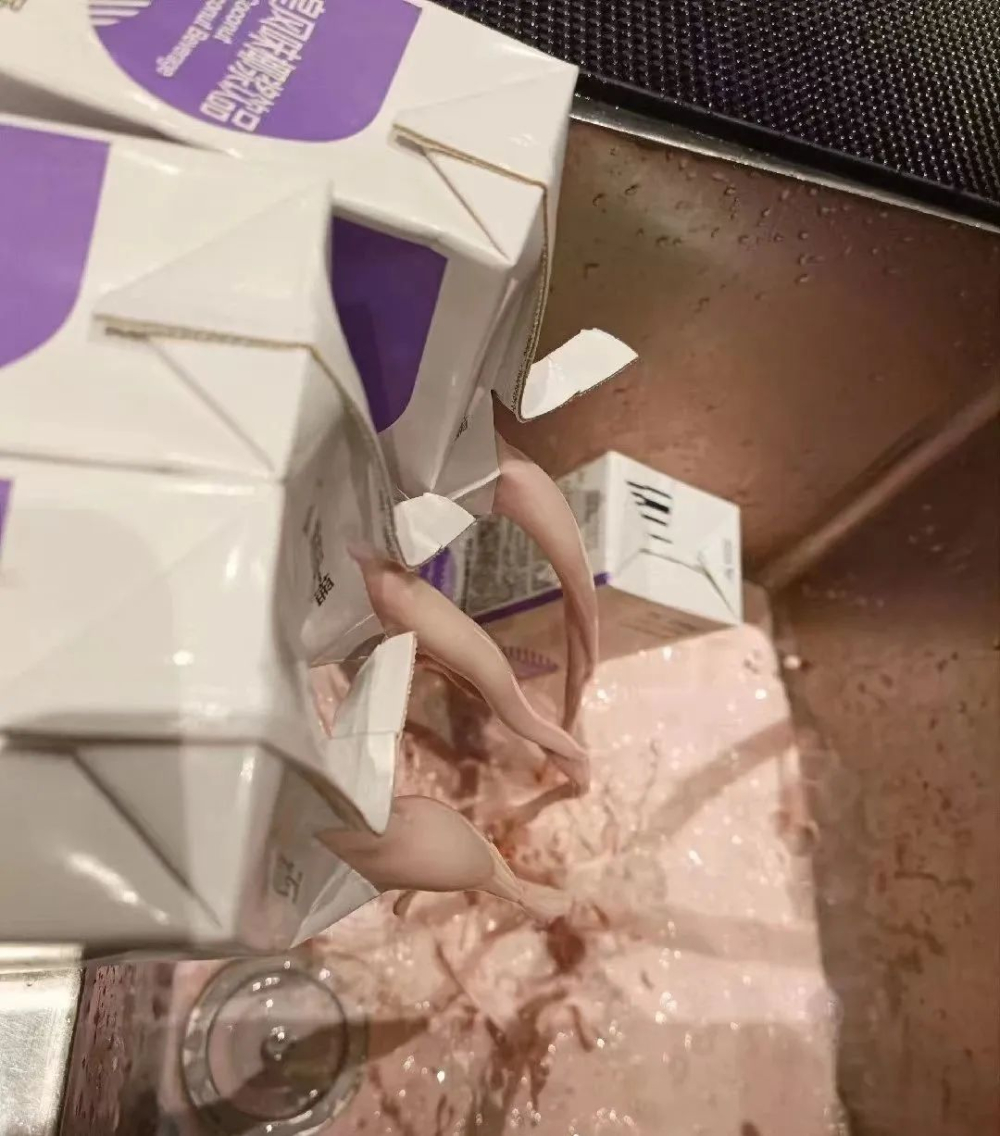
Although the ingredients had not expired and were still safe for consumption, Luckin chose to require stores to destroy them centrally. This move raised questions from some consumers, who argued that waiting for the ingredients to naturally deplete or expire might have been more reasonable. However, from the perspectives of food safety and brand risk management, avoiding the potential issues arising from unsold ingredients entering unofficial channels was indeed a more cautious approach.
In fact, this is not the first time Luckin has disposed of ingredients due to product adjustments. The industry generally observes that chain coffee brands often face high risks and costs when launching new products, especially when those products fail to establish a stable consumer base. Inventory management and cycle regulation become key challenges. Although the Coconut Series briefly generated buzz thanks to the collaboration effect, its flavor profile did not significantly differentiate itself from other coconut-based products under the same brand (such as the long-selling Fresh Coconut Latte), resulting in insufficient market competitiveness.
Industry insiders point out that while high exposure and limited-edition strategies during the initial promotion of a new product can drive early sales, it’s almost inevitable that sales will decline if the product fails to maintain its appeal after the hype fades. The case of the Coconut Series also reflects the importance of product cycle management and consumer feedback collection. Some stores reported that before headquarters announced the discontinuation, the Coconut Series had extremely low daily sales and severe inventory buildup, making the final destruction decision seem reasonable from an operational standpoint.
Additionally, it’s understood that apart from the Coconut Series, Luckin also plans to discontinue several other products that have not met market expectations, with the related ingredients expected to be processed similarly. While this strategy may spark short-term controversy over resource waste, from the perspective of long-term brand operations and quality control, ensuring that every product meets market expectations and safety standards remains a key priority for the chain coffee industry.
The above content is compiled by CoffeeHunters, a coffee news website.


