








Introduction:When the classic Chaoshan dish "raw cured seafood" meets modern specialty coffee, a drink named "Chaoshan Poison" unexpectedly sparked heated discussion. This creative beverage, which combines cold brew coffee with green olive juice, drew strong reactions from local netizens due to its name closely overlapping with the well-known Chaoshan practice of raw curing fresh seafood. This article delves into the cultural misunderstandings behind the incident and explores how creative coffee naming can balance novelty with local sensitivity.
In recent years, the Chaoshan region has attracted numerous tourists with its unique food culture, among which the most talked-about is the "raw cured" method—short-term curing of fresh seafood with seasonings such as soy sauce and chili. This dish, with its distinctive salty and savory flavor, leaves a deep impression on many who try it, even earning the tongue-in-cheek yet apt nickname "Chaoshan Poison."
However, when the same name appeared on the menu of a coffee shop’s special drink, it caused a completely different kind of misunderstanding. Priced at around NT$45, this coffee special actually consists of a cold brew base mixed with green olive juice, garnished with common Chaoshan preserves like old medicine tangerine and bamboo salt wampee. According to customer feedback, the appearance of the final drink bore no resemblance to what is traditionally thought of as a "poison," leading many netizens of Chaoshan origin to express dissatisfaction on social media.
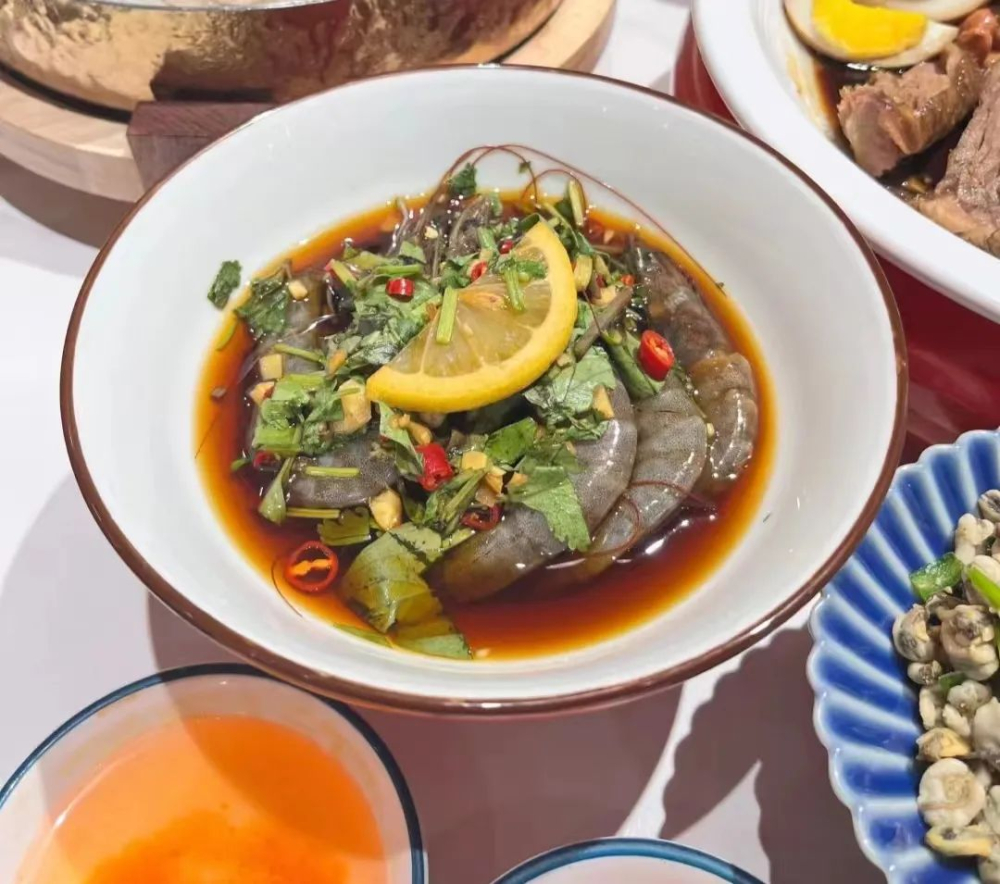
A deeper look reveals that the controversy mainly centers on three aspects: First, the name directly adopts an existing food culture symbol without providing sufficient associative cues; second, in terms of ingredients, although green olives and wampee are also common fruits in Chaoshan, their connection to raw cured seafood is weak; the most serious issue is that some promotional text incorrectly categorized old medicine tangerine, bamboo salt wampee, and licorice olive as the "Three Treasures of Chaoshan"—when in fact, this title traditionally refers to three traditional preserves: old citron, old medicine tangerine, and wampee paste.
From the barista’s creative perspective, using local specialty ingredients to make special drinks is a common approach. For example, incorporating the sweet-and-sour qualities of old medicine tangerine into cold drip coffee, or using the salty aroma of bamboo salt wampee to balance the flavor of espresso, are both reasonable attempts to highlight regional character. However, professionals suggest that when using highly recognizable local terms as product names, at least two conditions should be met: first, consumers should be able to intuitively associate some basic relevance, and second, clear product descriptions should be provided to avoid misunderstanding.
Regarding this incident, an operator who has long run a Chaoshan-themed coffee shop shared their experience: successful local specialty coffee often adopts a gradual introduction strategy. For instance, starting with a descriptive name like "Green Olive Cold Brew" to build a reputation, and only later attempting to incorporate cultural elements into the name once customers are familiar. At the same time, care should be taken to ensure that garnish ingredients truly reflect local food culture—for example, commonly used Chaoshan items like dried old citron slices or wampee paste candy are relatively safe choices.
This naming controversy also serves as a reminder to coffee businesses that while pursuing creative gimmicks, respect for local culture and basic research are indispensable. Especially when the target audience includes consumers with certain expectations of the region, an appropriately chosen product name can not only prevent misunderstandings but also become a bridge for cultural communication. After all, true innovation should be built on understanding—not just the stacking of symbols.
The above content is compiled by CoffeeHunters, a coffee news website.


