







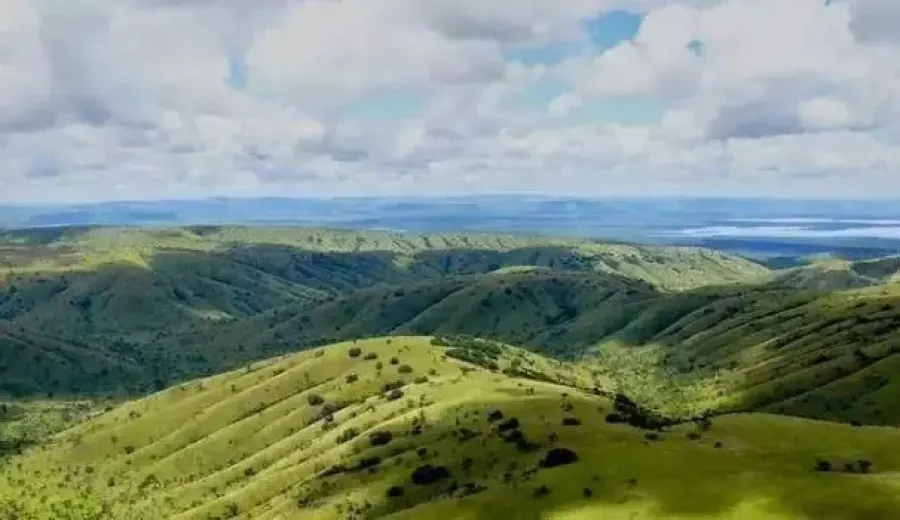
Introduction:The Lake Kivu region in Rwanda is one of Africa’s important representatives of specialty coffee. With its unique geographical environment and refined washed processing techniques, it produces coffee beans with delicate flavors and rich layers. This article will delve into the natural conditions, historical background, and the representative Twumba washing station of the Lake Kivu region to help you better understand the charm of this high-altitude coffee haven.
Rwanda, an East African highland country known as the “Land of a Thousand Hills,” has gradually emerged on the global specialty coffee scene in recent years. From the introduction of coffee by German missionaries in 1904, to economic reconstruction following the 1994 genocide, and eventually joining the ranks of specialty coffee exporting countries through the Cup of Excellence competition, Rwanda’s coffee industry has undergone a highly resilient development journey. Among them, the Lake Kivu region stands out as one of the highlights of the country’s specialty coffee, thanks to its unique microclimate and representative washed processing stations.
Africa, as one of the birthplaces of coffee, is globally renowned for Ethiopia, while Rwanda is another rising star. As early as 1904, German missionaries brought coffee seeds to this land. By the 1930s, coffee had become the primary cash crop for local smallholder farmers. Between the 1960s and 1980s, Rwanda’s coffee production steadily grew, reaching its historical peak in 1986.
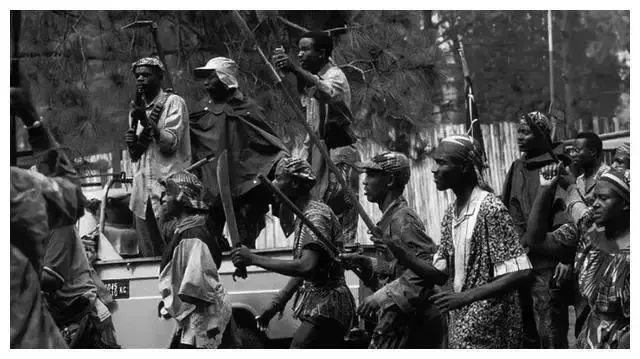
However, the 1994 genocide plunged the entire country into turmoil, claiming nearly one million lives and nearly collapsing the economy. With international aid and the leadership of then-President Paul Kagame, Rwanda chose agricultural revitalization as the core of national reconstruction, with the coffee industry as a top priority. Through the U.S.-led PEARL (Partnership for Enhancing Agriculture in Rwanda through Linkages) project, the country focused on improving agricultural technology, increasing farmer income, and gradually moving toward sustainable development.
To showcase the potential of Rwandan coffee to the world, the government actively participated in international coffee exhibitions and promoted high-quality beans to global specialty coffee buyers through the Cup of Excellence platform. These efforts have made Rwanda the third African country, after Ethiopia and Kenya, to gain fame for its specialty coffee.
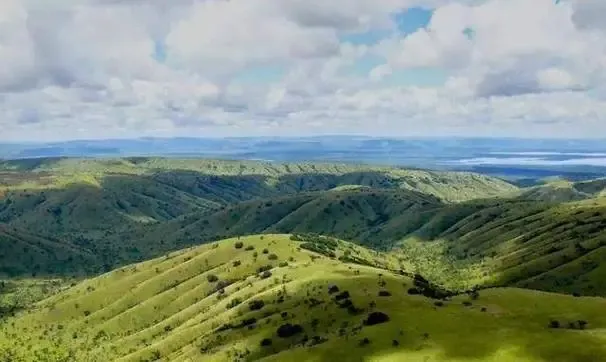
Rwanda is located in the highland region of central and eastern Africa, with mountainous terrain throughout the country and an average altitude of about 1,600 meters, hence earning the nickname “Land of a Thousand Hills.” The territory includes five volcanoes, numerous lakes and rivers, which not only form one of the sources of the Nile River but also contribute to rich biodiversity. The area features a tropical highland climate. Although close to the equator, the temperature remains relatively mild year-round, around 25–28°C, along with distinct dry and wet seasons—March to June and September to October are rainy seasons, while the rest are dry seasons. Annual rainfall is approximately 1,200–1,600 millimeters, providing ideal environmental conditions for coffee cultivation.
Rwanda’s coffee-growing regions are mainly distributed in Muhazi, Lake Kivu, and Virunga, with harvesting typically taking place between March and August each year. Among them, the Lake Kivu region, due to its special geographical location and microclimate, has become a significant source of the country’s specialty coffee. Lake Kivu is one of the highest lakes in Central Africa and is also part of Africa’s Great Lakes. It lies on the border between Rwanda and the Democratic Republic of the Congo, situated within the East African Rift fault zone. The lake is surrounded by majestic mountains, and the northern shore features the 3,470-meter-high Mount Nyiragongo. The interaction between volcanic activity and the lake has created a unique microclimate in the surrounding areas, conducive to producing coffee with distinctive flavors.
In the Lake Kivu region, coffee production is primarily carried out by smallholder farmers who deliver the harvested coffee cherries to local washed processing stations for refinement. This region has several technically mature washing stations, among which the Twumba washing station is a highly representative example.
The Twumba washing station is located in western Rwanda, near the Nyungwe Forest National Park. The coffee is grown at altitudes ranging from 1,800 to 2,200 meters, with an annual average temperature of around 18°C. The high altitude and cool climate help the coffee ripen slowly, accumulating richer flavor compounds. The establishment of this processing station originated from the observation of local farmer Yandagiye Marthe—she noticed that although the coffee grown here was of good quality, the distance from existing processing facilities made post-harvest processing difficult for farmers. Therefore, she decided to build a washing station here, aiming to improve local agricultural efficiency, enhance income structures, and provide more employment opportunities for women. Today, about 90% of the employees at the Twumba washing station are women, which holds exemplary significance for the local agricultural community.
The Twumba washing station shone brightly at the 2018 Rwanda Cup of Excellence competition, winning the championship with a coffee bean that scored as high as 90.53. This achievement not only affirmed the technical prowess of the processing station but also brought greater international attention to the specialty coffee of the Lake Kivu region. For pour over coffee enthusiasts, this coffee typically showcases bright lemon acidity, red berry notes, and delicate floral and tea-like aftertastes. It is best brewed using a medium-light roast, a water temperature of 90–93°C, and a 1:15 coffee-to-water ratio to fully highlight its complex flavor profile.
The above content is compiled by CoffeeHunters, a coffee news website.


