








Introduction:Have you ever wondered why baristas always taste a cup of their own pour over right after brewing? This seemingly simple act is actually a key step in delivering a professionally crafted cup of coffee. In this article, we dive deep into the principles behind adjusting pour over extraction efficiency, explore the purpose behind baristas’ tasting practice, and help you understand how to fine-tune variables such as bitterness, acidity, and overall flavor balance. You’ll also learn practical skills for assessing coffee bean characteristics based on real-world experience.
In everyday pour over scenarios, many customers have encountered a common yet puzzling sight: after brewing, the barista doesn’t immediately serve the coffee to the customer but instead pours a small cup for themselves to taste first. This often confuses observers, even those new to pour over brewing. In truth, this ordinary action is closely tied to the adjustment of pour over extraction efficiency, and reflects the barista’s rigorous approach to every single cup they serve.
Extraction efficiency refers to the extent to which water draws flavor compounds out of coffee grounds. This level of efficiency directly impacts the final taste profile of the coffee. When extraction is too high, the coffee tends to taste noticeably bitter or astringent. Conversely, if extraction is too low, it may result in overly sharp acidity, thin body, and lack of complexity. To achieve an ideal extraction state, baristas typically adjust key variables such as grind size, water temperature, brew ratio, pouring technique, and brew time to keep extraction efficiency within the optimal range.
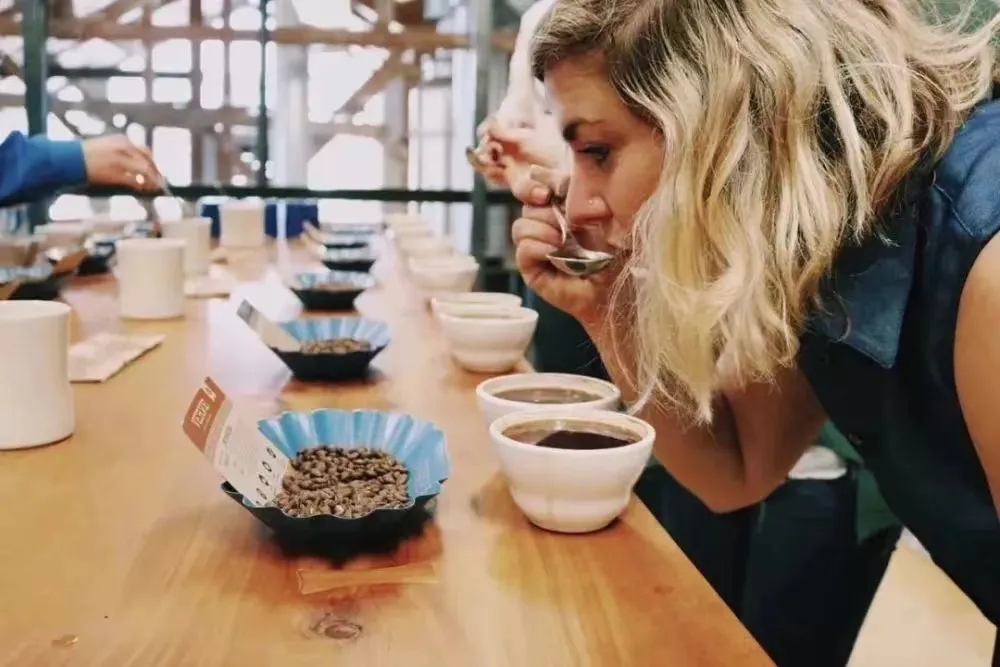
However, even with all parameters carefully set, there are still many uncontrollable factors during the actual brewing process. For example, whether the coffee beans were freshly roasted, the day’s ambient humidity and temperature, the condition of the grinder burrs, or even slight variations in pouring speed can all cause the final cup’s flavor to deviate from expectations. In short, while recipes can be standardized, the state of the beans and surrounding environment are dynamic.
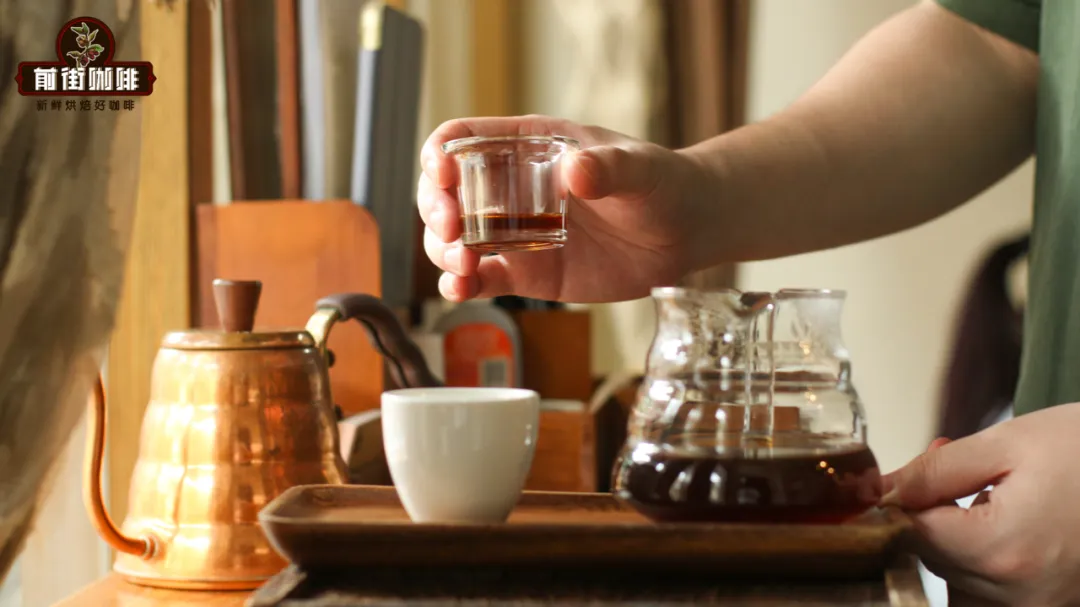
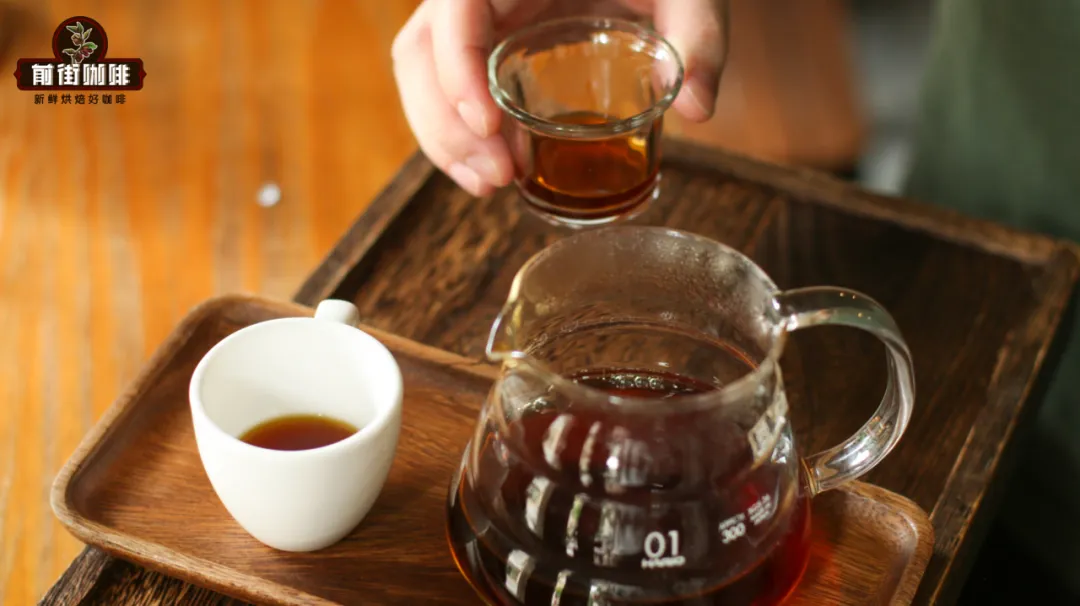
That’s why, before handing the coffee to the customer, baristas pour a small cup for themselves to taste — essentially conducting a quick quality check. With that one sip, they can instantly assess whether the extraction efficiency of that particular brew meets expectations. If the coffee tastes overly bitter or astringent, it usually indicates over-extraction, in which case the grind size might be adjusted coarser or the water temperature slightly lowered. On the other hand, if the acidity feels too sharp and sweetness is lacking, it could be a sign of under-extraction, suggesting a finer grind or longer brew time may help improve the cup.
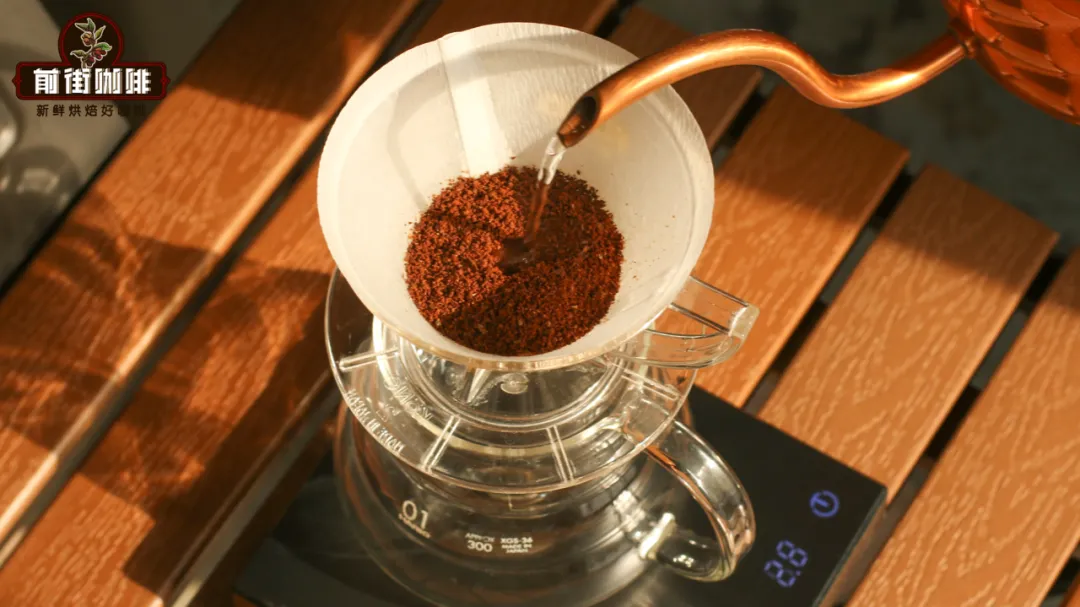
Take shop operations as a practical example — this tasting habit is consistently maintained in our daily service flow. For professionals, this small cup of self-tasted coffee is not only a self-check of brewing skill, but also a sign of responsibility to the customer. After all, unlike espresso, once a pour over is served and any major flaws are noticed, it’s very difficult to adjust or remake it immediately — and this directly affects the customer’s drinking experience. By tasting in advance, potential issues can be identified and intercepted before the coffee reaches the customer, ensuring each cup delivers its best possible flavor.
Additionally, this one sip serves another important function: confirming whether the coffee’s flavor profile aligns with the inherent characteristics of the beans. For instance, if using a light-roasted Ethiopian bean, based on its roast profile, it should ideally exhibit citrus-like acidity, elegant floral notes, and a light tea-like mouthfeel. If, during tasting, these expected flavor attributes are muted or unexpected off-notes appear, the barista can quickly identify the issue and make immediate adjustments to the brewing strategy — avoiding the situation where a “flavor-misaligned” coffee is served to the customer.
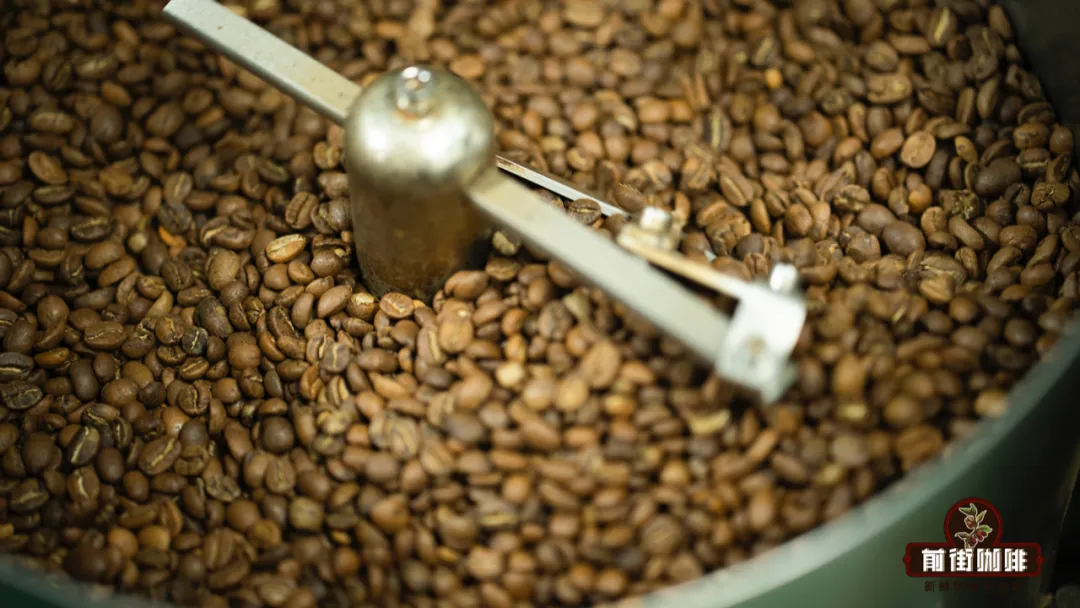
In summary, when a barista takes a sip of coffee before serving it, it’s far from a personal habit or meaningless gesture. It is a highly professional and essential part of the pour over brewing process. This step is both a final checkpoint for extraction efficiency and a serious commitment to the quality of the coffee being served. When you see a barista pour a cup for themselves after brewing, you can rest assured that they are using their expertise to ensure the cup you’re about to enjoy achieves the best possible flavor balance.
The above content is compiled by CoffeeHunters, a coffee news website.


