







Introduction:Indonesia has recently been hit by torrential rains, triggering severe landslides and floods that not only threaten the safety of local residents but also plunge major coffee-growing regions such as Sumatra, Sulawesi, and Papua into harvesting difficulties. With the critical harvest period for Robusta coffee beans underway, the adverse weather has led to fruit drop and delays in harvesting. Coupled with the depreciation of the Indonesian rupiah and reduced output from Vietnam, the international supply of Robusta is tightening and prices remain high. This article delves into the real impact of the disaster on the coffee industry and the key factors influencing future price trends.
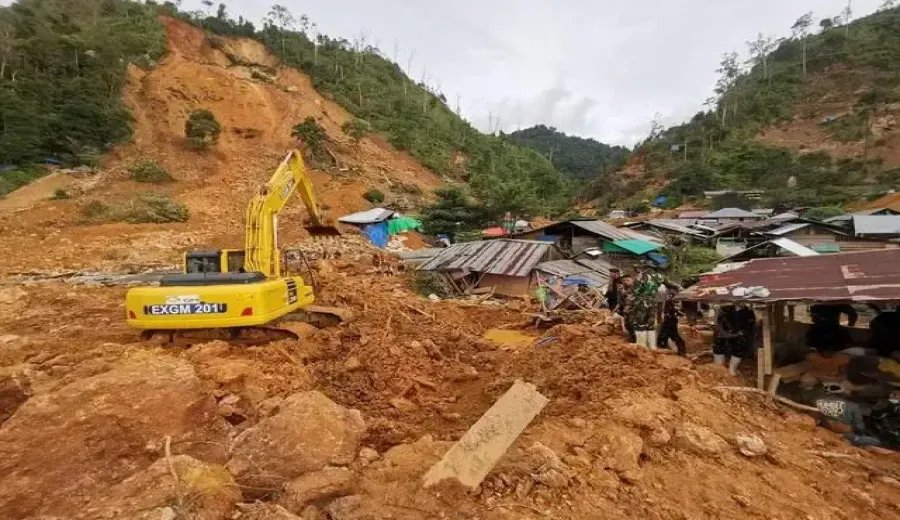
Indonesia has recently been battered by extreme weather, with consecutive days of heavy rainfall triggering landslides and floods in multiple areas, resulting in dozens of casualties. Several provinces have issued emergency disaster warnings. Beyond endangering lives and property, this wave of natural disasters has significantly impacted the country’s coffee industry — major planting regions such as Sumatra, Sulawesi, and Papua, which are in the peak harvest season, have seen harvesting operations disrupted due to the downpours, with large numbers of unripe or ripe coffee cherries falling to the ground. Production is expected to decline markedly.
According to information from Indonesia’s National Disaster Management Agency, on July 14, a landslide triggered by heavy rainfall in Mimika Regency, Central Papua, resulted in the tragic deaths of seven people (including five adults and two children). Earlier, on July 6, a gold mining camp in Bone Bolango Regency, Gorontalo Province, was washed away by torrential rain and flash floods. As of July 13, local rescue authorities reported that the province had seen a total of 27 deaths, 15 people missing, and 283 rescued. Continuous heavy rain in Jakarta has also caused severe flooding in communities. Since July 6, Ambon City in Maluku Province has declared a 14-day disaster alert, while thousands of residents in Cianjur Regency, West Java Province, have also been affected by the floods.
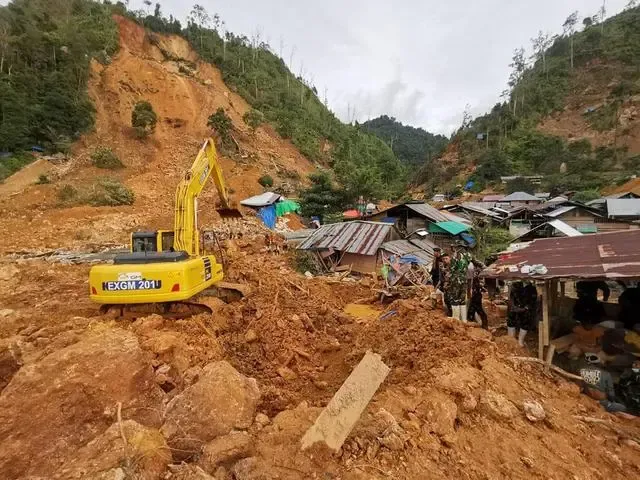
The Indonesian Agency for Meteorology, Climatology and Geophysics has issued a warning that, due to abnormal atmospheric circulation, persistent heavy rainfall will hit Sumatra, Kalimantan, Sulawesi, and Papua starting from July 9. The public is advised to be vigilant against secondary disasters such as thunderstorms and floods. The Chinese Embassy in Indonesia has also reminded local Chinese citizens and businesses to closely monitor weather forecasts, avoid going out during disaster periods, stay away from high-risk areas such as slopes and riverbanks, and make early disaster preparedness arrangements.
The impact of this disaster on Indonesia’s coffee industry is particularly critical. Although Papua Province mainly grows Robusta varieties, local coffee plantations have already been affected by landslides. Meanwhile, Sumatra and Sulawesi, which are about to enter their peak harvest season, as well as Papua, which is currently in the harvest period, are all major Robusta-producing regions. Notably, Indonesia usually enters the dry season between July and August, but this year has seen an abnormal continuation of heavy rainfall, directly disrupting the harvesting process.
Heavy rainfall not only slows down the harvesting pace but also causes ripe coffee cherries to fall due to the impact of rain, leading to a decline in yield per unit area. In addition, areas that have experienced landslides may face secondary disaster risks such as mudslides, further threatening the survival of coffee trees and performance in future harvest seasons. In fact, Indonesia has already been hit by a series of disasters this year, including floods, landslides, and volcanic eruptions, making the outlook for coffee production far from optimistic.
Another key factor is the continued depreciation of the Indonesian rupiah — the exchange rate has fallen by 5.9% since the beginning of this year. Although currency depreciation is beneficial for coffee exports, it also boosts domestic purchasing power, stimulates tourism development, and increases local coffee consumption demand, ultimately leading to a reduction in the total amount of coffee available for export.

On the international market front, the Vice Chairman of the Vietnam Coffee - Cocoa Association recently pointed out that this year’s drought has caused a significant reduction in Vietnam’s coffee output, and the La Niña phenomenon, which is expected to intensify in the autumn, will further worsen growing conditions in Vietnam’s coffee-growing regions. In the short term (at least until December), export volumes are unlikely to recover. Considering the disaster situation in Indonesia’s producing regions, the depreciation of the Indonesian rupiah, and Vietnam’s reduced output, among multiple factors, the global supply of Robusta coffee is tightening, and international quotations have recently remained at high levels. For coffee roasters and consumers who rely on Robusta, cost pressures will continue to rise.
The above content is compiled by CoffeeHunters, a coffee news website.


