







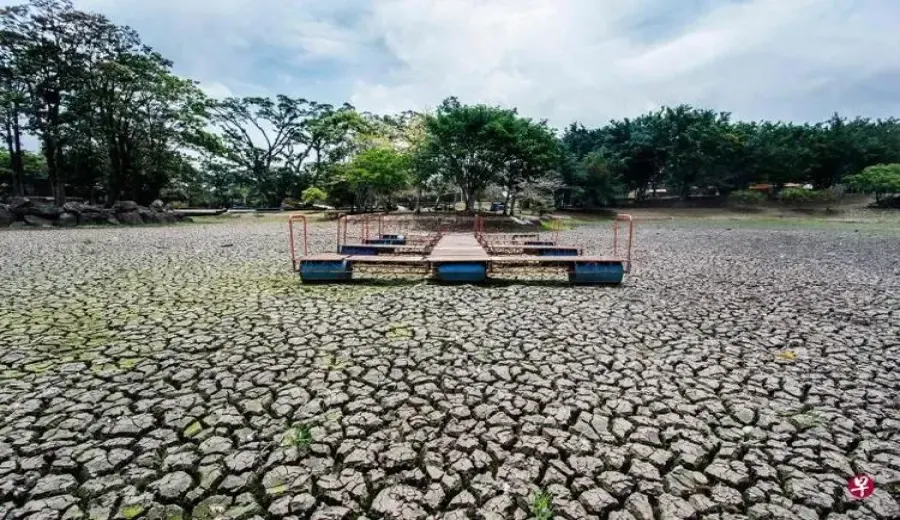
Introduction:Costa Rica’s volcanic soil nurtures coffee beans with delicate flavors, but in recent years, high temperatures and drought have posed severe challenges to its production regions. Some farms in the Desamparados canton have seen yields drop by as much as 15%, and the 2024/25 season is projected to experience an estimated 18% decline in output. This article delves into how drought leads to irregular flowering and increased disease, explores how farmers are maintaining quality through drought-resistant varieties and low-carbon practices, and analyzes the potential impact of declining exports on the global market.
Costa Rica’s coffee industry has long relied on volcanic ash soil, a comfortable average annual temperature of 22°C, and regular rainfall exceeding 1,500 mm per year. These conditions have created the country’s bright acidity and citrus notes, making its beans a popular choice in the specialty coffee market. However, climate change is quietly rewriting this narrative — farmers in the central core production region of Desamparados canton have noticed that in recent years, the flowering period of coffee trees has become increasingly unstable.
In the Desamparados canton of San José Province, some farms saw their harvest in 2023 decrease by 15%, and the overall estimated output for the 2024/25 harvest season is projected to decline compared to the previous season18%(from approximately 1.44 million bags down to 1.18 million bags, with each bag weighing 60 kg). A farmer with over 20 years of experience noted that from March to April this year, when the rainy season should have begun, there was instead abnormal dryness, preventing coffee tree buds from absorbing enough water to bloom properly. Without sufficient flowers, the subsequent fruit set is directly and significantly reduced.
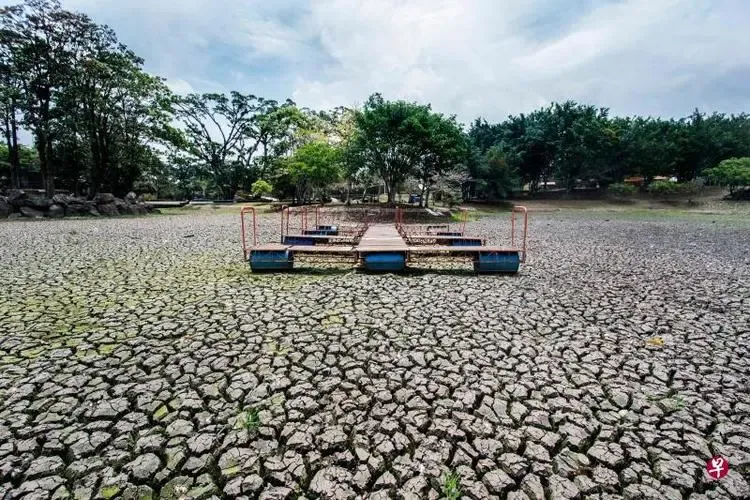
The ripple effects of high temperatures go beyond just reduced yield. As ambient temperatures continue to rise, coffee trees show a marked decline in resistance to pathogens such as Fusarium, increasing the risks of leaf rust and fruit rot. An even more challenging issue is the age structure of the trees — around30% of coffee trees in the country are over 20 years old, yet the planting of new seedlings has been delayed due to water shortages. With only sporadic rainfall in May this year, farmers were forced to postpone their replanting plans to June, disrupting the original field management schedule and further increasing labor and water resource costs.
Labor shortages have exacerbated the difficulties during the harvest season. Since coffee cherries at both high and low altitudes tend to ripen simultaneously, but the country is experiencing a nationwide labor shortage, many fruits cannot be harvested in time and fall to the ground overripe. Data from the Costa Rican Coffee Institute shows that approximately27,000 coffee farming householdsacross the country are currently under pressure from these combined challenges.
The decline in production has directly impacted export performance. In the 2023/24 season, Costa Rica exported a total of 972,000 bags of coffee beans (accounting for over 80% of total production), contributing a significant portion of the country’s agricultural foreign exchange earnings. It is estimated that the 2024/25 export volume will shrink in tandem with production, which may lead to a reduction in job opportunities in upstream and downstream industries such as processing and transportation.
To address the crisis, the Costa Rican government has launched the “Low-Carbon Coffee Initiative,” providing subsidies to encourage farmers to reduce chemical fertilizer use, adopt drip irrigation systems for water conservation, and optimize the planting of shade trees to lower microclimate temperatures. Meanwhile, the Costa Rican Coffee Institute is actively promoting drought-resistant varieties such as ‘Castillo,’ and training farmers in adaptive techniques like terraced farming and conservation tillage to help extend the economic lifespan of older trees.
Whether these measures can reverse the downturn remains to be seen, but the industry generally believes that consumers may in the future drink more coffee from Costa Rica’s high-altitude micro-regions — because the day-night temperature variation there can still maintain a certain level of flavor complexity, though the price may no longer remain as affordable as before.
The above content is compiled by CoffeeHunters, a coffee news website.


