







Introduction:Blooming is a crucial first step in pour over brewing—not only does it influence flavor release, but it also determines the uniformity of subsequent extraction. Many people habitually bloom for a fixed 30 seconds, but in reality, the required blooming time varies greatly depending on the roast level and freshness of the coffee beans. This article will delve into how to flexibly adjust blooming time based on the bean’s gas content, roast characteristics, and bed appearance, and provide practical tips for evenly wetting the coffee bed, so that every pour over you make is more stable and delicious.
In the pour over process, blooming is an essential preparatory step. By pouring a small amount of hot water, the coffee grounds absorb moisture and release internal carbon dioxide, while capillary action helps connect the particles, laying a solid foundation for subsequent extraction. Many beginners and even professional baristas tend to fix the blooming time at 30 seconds, but in fact, coffee beans in different states have quite varied needs when it comes to blooming.
Especially fresh roasted beans or light roasted, high-density bean varieties usually require a longer time to fully degas; whereas beans that have been stored for a long time or dark roasted beans may not need such a long blooming period. Understanding how to flexibly adjust blooming time based on the bean’s gas content, roast level, as well as the wetting condition and bubble performance of the coffee bed during blooming, is a key factor in improving pour over quality.
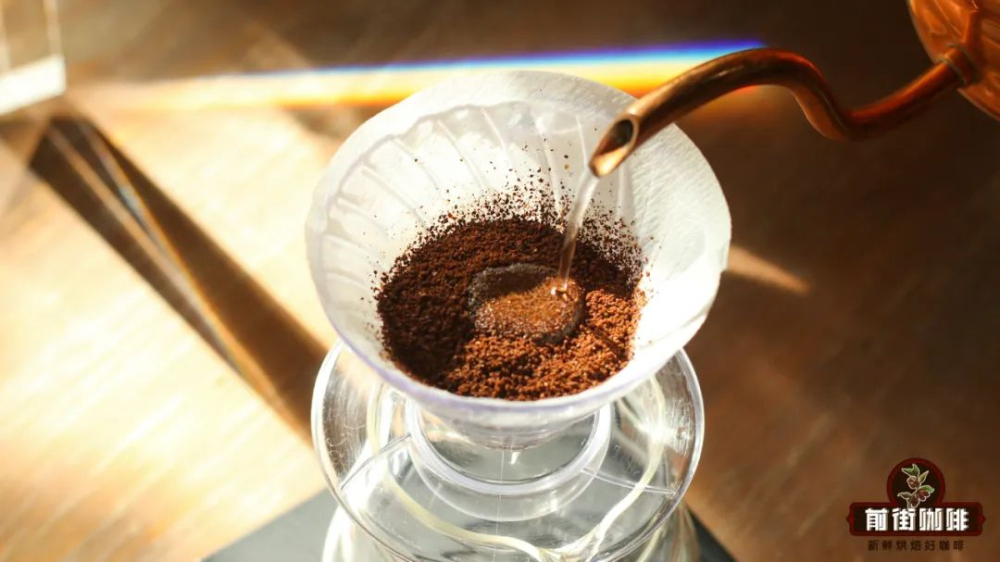
Blooming is actually like the “warm-up” phase of pour over brewing. This step uses a small amount of hot water to slightly moisten the coffee grounds, prompting the release of contained carbon dioxide and forming a connected network between particles through capillary action. This way, the larger volume of hot water poured in later can penetrate the coffee bed more smoothly, achieving a more uniform and efficient extraction.
Precisely because blooming has such an important impact on overall extraction, many coffee professionals recommend fixing the blooming time at 30 seconds. But this “standard answer” does not apply to all coffee beans. In reality, the state of coffee beans changes over time after roasting and with varying roast depths, so the blooming time should also be adjusted accordingly to achieve what we call the “perfect bloom.”
So, how do you determine when blooming should end? The key lies in the coffee bean’s current “gas content.” Beans with high carbon dioxide content require a longer time to degas, and it is generally recommended to extend the base 30 seconds by an additional 5 to 10 seconds. This situation is commonly seen in two types of beans: freshly roasted beans that are still in their degassing period, and high-density, low-expansion light roasted beans.
Freshly roasted coffee beans produce a large amount of carbon dioxide during the roasting process, and these gases need time to slowly release. Without sufficient degassing time, subsequent extraction can be easily disrupted, affecting flavor performance. Therefore, extending the blooming time appropriately during this stage helps ensure these gases are fully expelled.

On the other hand, high-density light roasted beans, although not necessarily having particularly high total carbon dioxide, have tightly packed structures and fewer internal pores, which slow down the rate of gas release. Even if not freshly roasted, these types of beans may still require a longer blooming time than usual to ensure the ideal coffee bed condition.
Conversely, if the coffee beans have been stored for some time or are of the dark roast variety, their internal carbon dioxide content is usually already significantly reduced. For these beans, blooming does not need to take too long—in fact, it can even be shortened by 5 to 10 seconds to avoid over-blooming, which could lead to flavor loss or unnecessary delays.
Although dark roasted beans produce a large amount of gas during roasting, their high expansion rate results in a looser bean structure. Once they come into contact with hot water, carbon dioxide is often quickly released. Therefore, unless they are freshly roasted, dark roast beans usually don’t require a very long blooming time.
Of course, in actual operation, we may not always have access to detailed information about each type of bean in advance. In this case, observing the performance of the coffee bed during blooming becomes another important basis for judging whether blooming is complete. The second key to achieving a perfect bloom is “evenly wetting the coffee bed.”
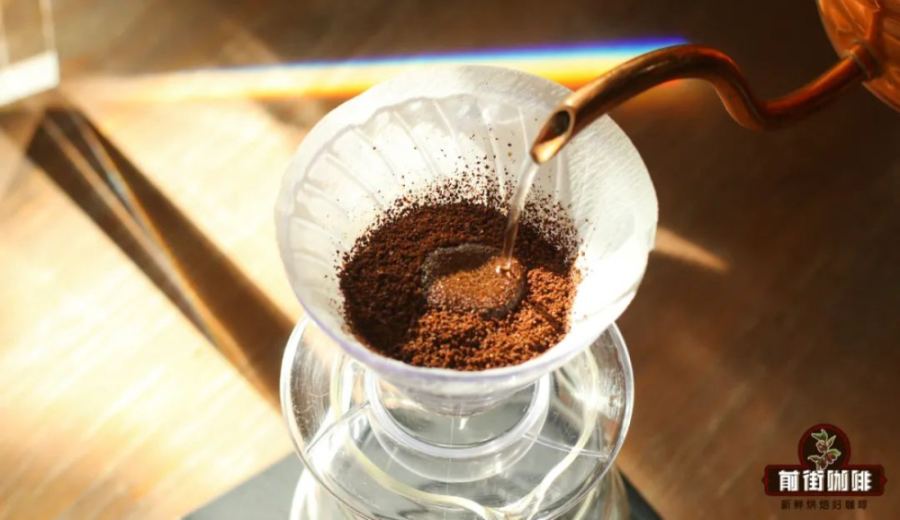
If the coffee bed is not uniformly wetted, some particles fail to absorb enough moisture or release gases adequately, greatly diminishing the effectiveness of blooming. So, how can you use a small amount of hot water to evenly moisten the entire coffee bed? Taking the common conical filter as an example, it is recommended to focus the blooming water on the center of the coffee pile, using a thin stream to circle from the inside out, though the center point can receive slightly more water and time.
If using a trapezoidal filter, it is also recommended to start from the center and circle outward, keeping the hot water concentrated in areas where the coffee bed is thicker. For flat-bottomed or cake filters, since the coffee bed is flatter, simply maintain a level surface and pour in a circular motion for even distribution.
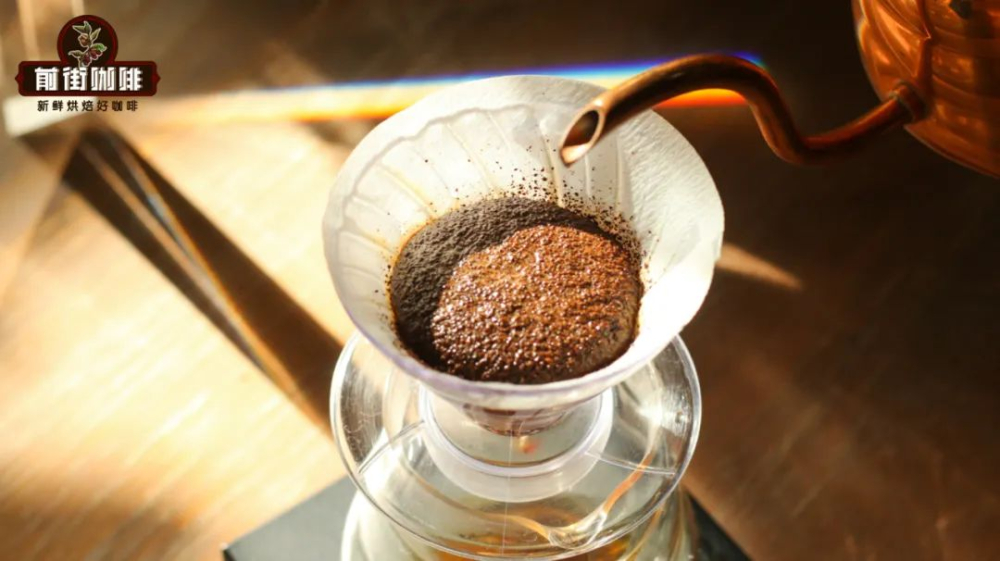
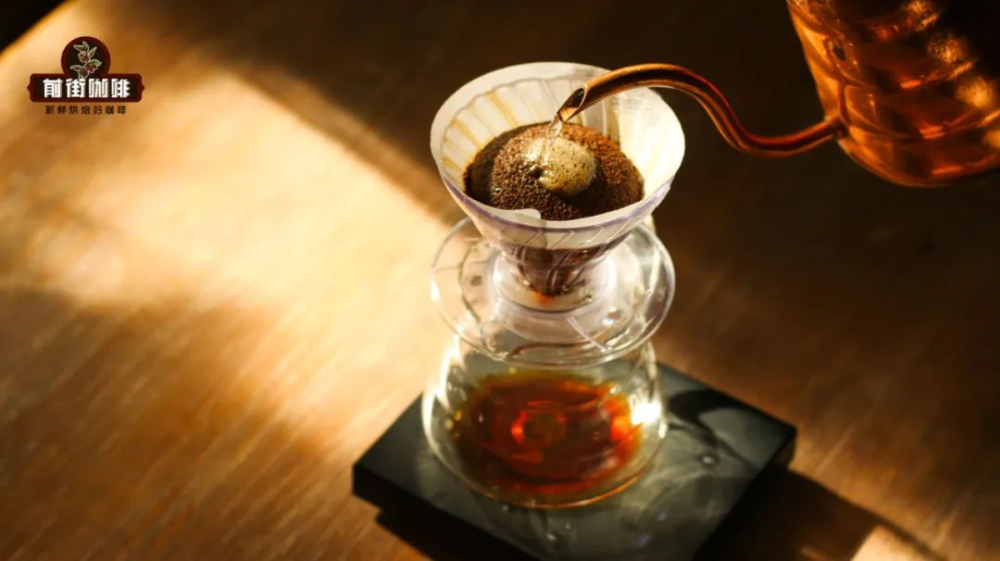
Once the hot water has evenly wet the coffee bed, the next step is to observe the condition of the bed. Pay particular attention to two things: first, the degree of wetness of the coffee bed, and second, the frequency of bubbles emerging. If the surface of the coffee bed starts to dry out before 30 seconds and no new bubbles continue to form, this usually indicates that most of the carbon dioxide inside the beans has already been released—at this point, you can end the bloom and proceed directly to the subsequent pouring phase.
Conversely, if 30 seconds have passed and the coffee bed remains moist with continuous bubbling, this suggests that there is still a significant amount of carbon dioxide waiting to be released inside the beans. In this case, you might consider extending the blooming time to allow the coffee grounds to fully degas, thereby setting the stage for better subsequent extraction.
In summary, there is no one-size-fits-all standard for blooming time. The truly “perfect” bloom should be flexibly adjusted according to the bean’s current state—including its freshness, roast depth, and gas content—as well as the actual response of the coffee bed during blooming. Only when the bloom matches the characteristics of the beans can it lay the optimal foundation for the entire cup of pour over coffee, bringing out a richer and more balanced flavor.
The above content is compiled by CoffeeHunters, a coffee news website.


