







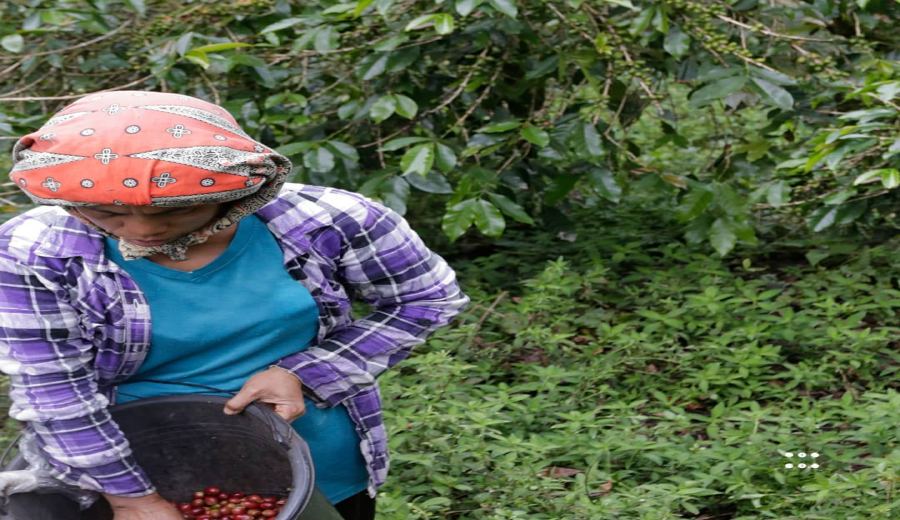
Introduction:Want to delve deeper into the origins and characteristics of Indonesian coffee? As the first island in Indonesia to introduce coffee cultivation, Java not only boasts a profound coffee culture but also, thanks to its unique geographical environment and diverse volcanic soils, produces coffee beans with distinctive flavors. This article will provide a detailed introduction to the development of Indonesian coffee, focusing on Java’s major producing regions and varieties, while analyzing local growing conditions and processing methods to give you a comprehensive understanding of the coffee map of this “Land of a Thousand Islands.”
Indonesia is the world’s fourth-largest coffee producer, comprising over 17,000 islands. Due to its diverse geography, the flavor profiles of coffee vary significantly across regions. Among them, Java is one of the earliest regions in Indonesia to begin coffee cultivation, with a long planting history and exceptional natural conditions, making it an important starting point for understanding Indonesian coffee.
The Asian continent where Indonesia is located features complex terrain, spanning from tropical to temperate zones with diverse climates—extremely suitable for coffee growth. Indonesia itself is an archipelagic nation made up of 17,508 islands, many of which lie near the equator, maintaining a stable annual temperature between 25–27°C. Coupled with distinct wet and dry seasons, this provides an ideal environment for coffee trees. With over 500 volcanoes across the country, the mineral-rich volcanic soils offer a natural advantage for cultivating high-quality coffee.
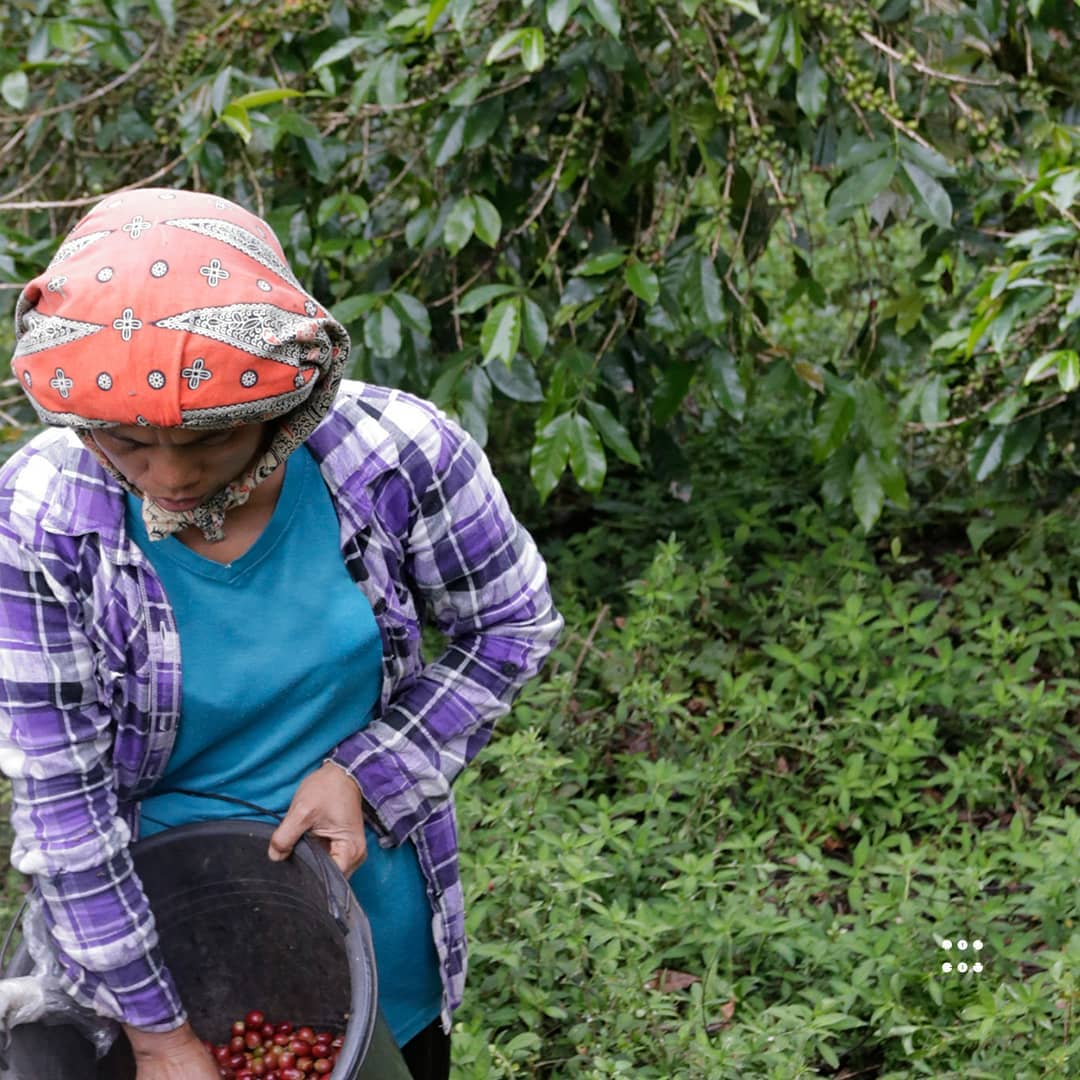
The history of coffee cultivation in Indonesia dates back to the 17th century, when Dutch colonists introduced the first coffee seedlings. The initial trial planting took place near what is now Jakarta (formerly known as Batavia). Although the early planting suffered from flooding that destroyed the first batch of seedlings, the second batch successfully took root and marked the beginning of Indonesia’s coffee industry. By the early 18th century, Java coffee was first exported to European markets via Dutch East India Company ships, becoming an important commodity in early international trade.
Early Indonesian coffee cultivation mainly focused on Arabica, which was of excellent quality. However, the leaf rust epidemic that broke out in the 1860s nearly wiped out most of the Arabica plants in the country. To maintain coffee production, many farmers turned to cultivating Robusta, which is more resistant to disease and easier to manage. To this day, approximately 85% of Indonesia’s coffee output consists of Robusta, while Arabica accounts for only about 15%, primarily grown in high-altitude regions.
Indonesian coffee-growing regions are widely distributed, often categorized by island, such as Sumatra, Java, Sulawesi, and Bali. Each island, due to differences in geography, altitude, and climate, produces coffee with distinctly unique flavor characteristics.
Among them, Sumatra is the largest island in Indonesia and one of the regions with the highest coffee output. The area mainly has a tropical rainforest climate, with high temperatures and humidity, and coffee is mostly grown in mountain forests. Notably, the Gayo Mountains in the Aceh region are particularly famous. The coffee produced there mostly comes from old tree varieties, grown at altitudes between 1,500 to 2,500 meters, making it one of the highest-altitude and most highly regarded coffee-producing regions in Sumatra. In addition, the Lintong region in Sumatra is also highly distinctive, situated near Lake Toba at an altitude of approximately 1,400 to 1,800 meters. While Lintong coffee may be slightly less refined than that of the Gayo Mountains, its unique wet-hulling processing method gives the coffee a rich, bold, low-acid profile with earthy and spicy notes, which is loved by many coffee enthusiasts.
Java is the starting point of Indonesia’s coffee story. Located south of the equator, it is the fifth-largest island in Indonesia, characterized by a landscape of mountains, hills, broad basins, and active volcanoes. With over 100 volcanoes enriching the soil with nutrients, along with a dense river network and over 70% of its land under cultivation, Java has become a key agricultural hub in Indonesia and one of the regions with the longest history of coffee cultivation.
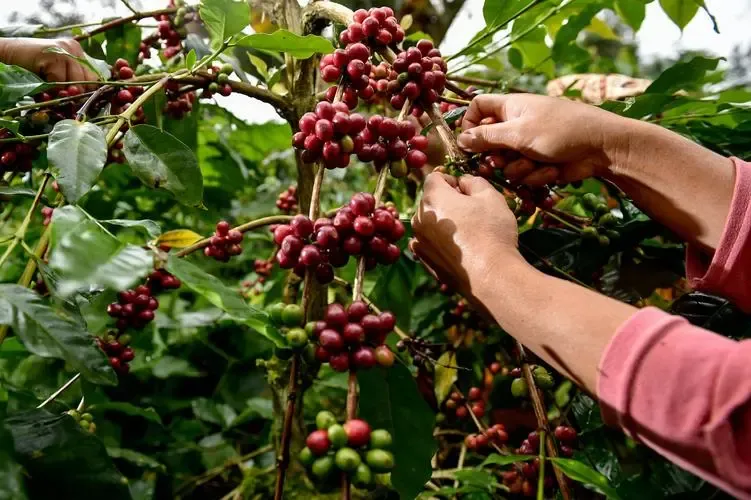
Java’s administrative divisions include West Java, Central Java, East Java, as well as the special regions of Jakarta and Yogyakarta, which were once the capital. Coffee cultivation spans all areas of the island: in West Java, coffee is mainly concentrated in the Priangan region; in Central Java, it is found in the regions of Banjarnegara, Wonosobo, and Temanggung—all close to the active volcano Mount Merapi; while East Java is the region with the highest coffee output on the island, with main producing areas located around Mount Bromo and Mount Ijen. These regions typically have altitudes ranging from 900 to 1,800 meters, which are very suitable for coffee growth.
In terms of varieties, Java grows a diverse range of coffee types, including traditional Typica, Tim Tim, the locally named Ateng variety (also called Catimor), and USDA 762. The interaction between different varieties and altitude conditions gives Java coffee a balanced flavor profile with layers of complexity. It often features bright acidity, along with rich body and diverse aromatic notes such as nuts, spices, and chocolate.
Overall, Indonesia’s coffee industry is renowned for its diverse geographical conditions and processing techniques. As the birthplace of coffee and a major producing region, Java holds a significant position in terms of yield, quality, and cultural importance. If you’re interested in the history and evolution of coffee flavors, Java is undoubtedly a coffee treasure trove worth exploring in depth.
The above content is compiled by CoffeeHunters, a coffee news website.


