







Introduction:Coffee Combos are becoming the new favorite among specialty coffee enthusiasts, but many encounter bottlenecks such as bitterness or flatness after trying them. This article delves into the combination logic of "one bean, multiple drinks," from bean selection to espresso extraction details, helping readers master how to present diverse flavors in both black coffee and milk coffee using the same coffee bean, avoid common mistakes, and make your Combo both balanced and outstanding.
In recent years, Coffee Combos have gradually become a highly discussed topic in the specialty coffee scene. However, many people often find that the Americano they brew at home is too bitter, or the latte lacks flavor, failing to achieve the desired balance. How should one choose the right coffee bean, and how should the espresso be adjusted to ensure that the same bean showcases layered flavors in both black coffee and milk coffee? This article will take you from the basics to systematically understand the combination logic of Combos, suitable beans, and key points for serving.
As the concept of "one bean, multiple drinks" gains popularity, many coffee lovers have tried it at home only to find the results fall short of expectations: some Americanos are overly bitter, while others like lattes turn out bland, making it hard to achieve an overall balanced flavor. As a result, more and more people are asking what kind of coffee beans should be used for Combos, and how the brewing method should be adjusted to bring out the best in each cup. To answer these questions, we first need to clarify what a Combo actually is.
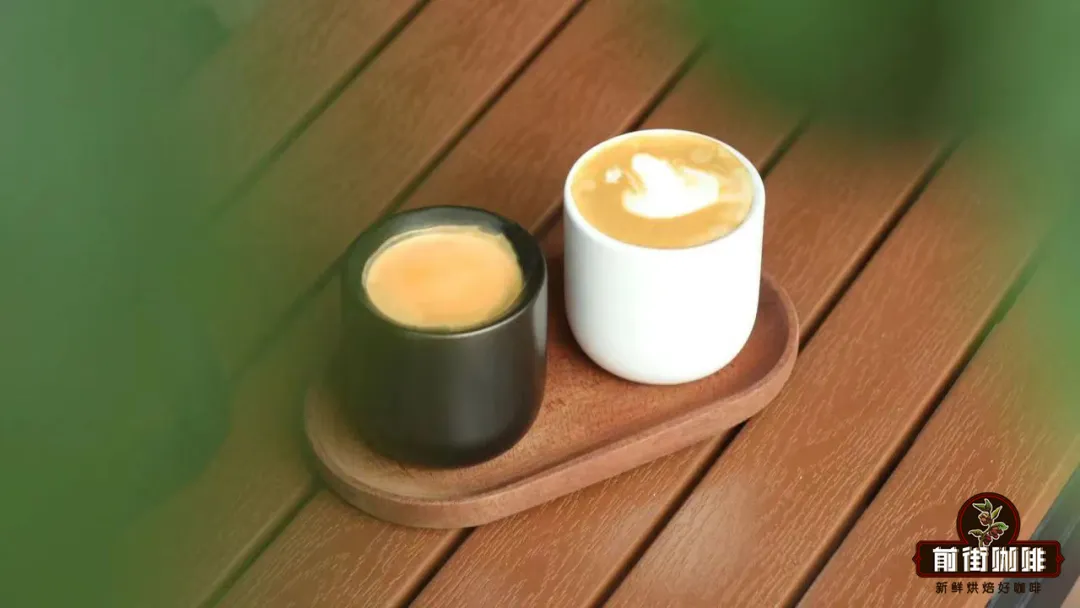
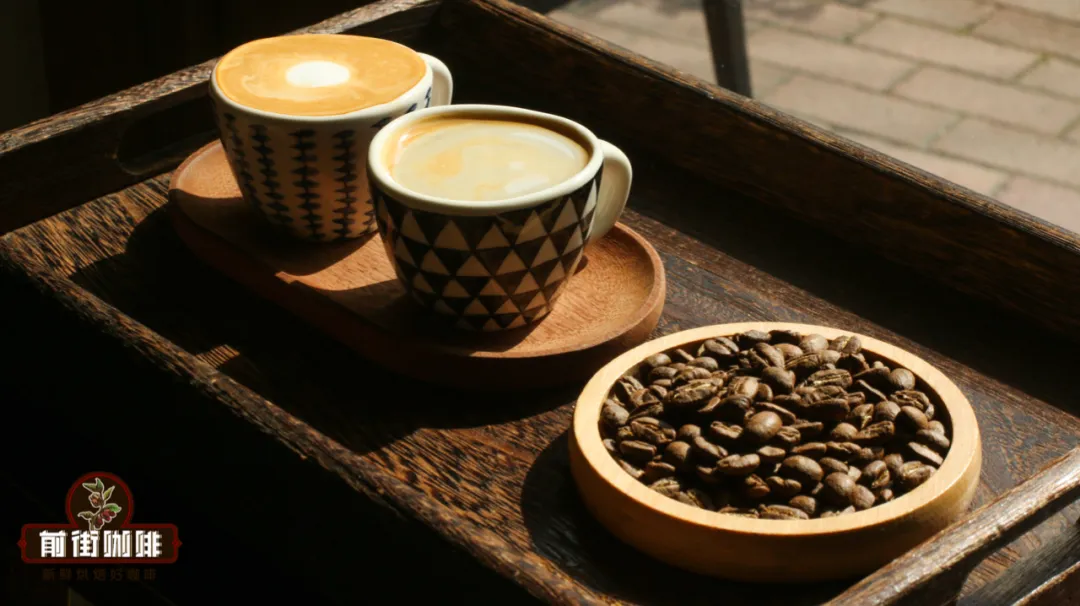
Simply put, the term "Combo" originates from the English word "Combination." In the coffee context, it refers to a "Coffee Combo," which is a way of creating multiple coffee beverages by using the same coffee bean and varying the extraction and brewing methods. A common practice is to divide the same shot of espresso into two or more cups—one becomes a black coffee (like an Americano), and the other is mixed with milk to make a milk coffee (like a latte). This is what is commonly referred to as the "one bean, multiple drinks" model, and it is also the mainstream form adopted by most coffee shops today.
It’s worth noting that a Combo does not mean mixing coffee beans from different regions or processing methods. Instead, it is based on "the same bean," and by altering the extraction ratio or pairing method, it presents diverse flavor expressions across different beverages. Therefore, this combination is more like a tailored stage for a single bean, allowing consumers to experience its characteristics in various forms all at once.
Many assume that only single-origin beans are suitable for Combos, but that’s not entirely the case. While in competitions or specialty coffee shops, Combos are often used to highlight the uniqueness of a single region or processing method, in practical applications, whether single-origin or blended beans can clearly express the flavor characteristics of the bean, they can all be ideal choices for Combos. Therefore, the focus of a Combo is not on the type of bean, but on whether you understand the potential of that bean and whether you can bring it out through the right extraction method.
Choosing the right coffee bean is key to successfully making a Combo. Generally speaking, beans with distinct fruit acidity, balanced sweetness, and a clean aftertaste are more suitable for Combos. For example, medium to light roasted African beans, such as Ethiopia’s Yirgacheffe or Harrar, often have bright citrus and floral notes, and whether made into black coffee or milk coffee, they can showcase clear layers. Medium to dark roasted Latin American beans, such as Brazil or Colombia, offer a rounder mouthfeel with nutty and chocolatey tones, and are also suitable for creating Combos with a stronger sense of balance.
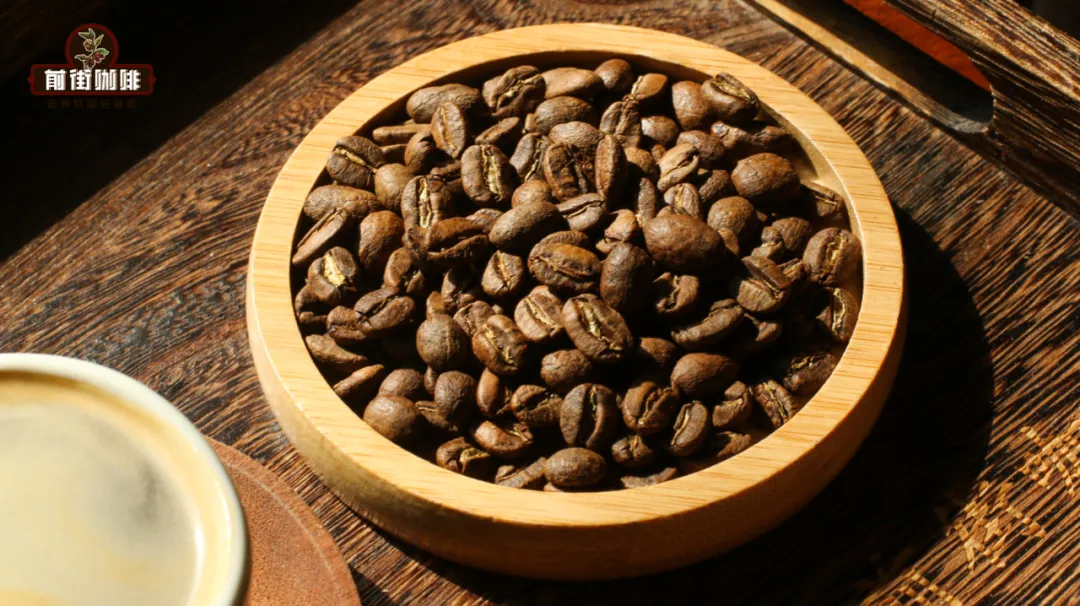
In terms of espresso extraction, Combos place relatively higher demands on the quality of the espresso. It is generally recommended to use a medium-fine grind, with an extraction time of about 25 to 30 seconds, and a coffee-to-water ratio controlled around 1:2, to ensure the espresso has sufficient concentration and flavor intensity. If the espresso is too diluted or under-extracted, both Americanos and lattes are prone to issues of weak or thin flavors. In addition, controlling the dosage and water temperature is also crucial, with water temperature typically recommended between 90°C and 94°C to effectively bring out the bean’s aroma and balance of acidity and sweetness.
Once you’ve produced high-quality espresso, the next step is how to distribute and pair it. The most classic Combo model is to split a shot of espresso evenly—one part is directly diluted with water to make an Americano, and the other is mixed with steamed milk to make a latte. If you want to add more variety, you can try different ratios of milk foam or create other flavored specialty drinks. But no matter how you vary it, maintaining overall flavor consistency and layering is the essence of a Combo.
In summary, Coffee Combos are a creative way to fully showcase the multifaceted flavors of a coffee bean. As long as you choose the right bean variety, master the extraction parameters, and maintain balance in pairing, you can enjoy a multi-layered flavor experience from black coffee to milk coffee using the same bean. Whether you’re a coffee novice or a seasoned enthusiast, understanding the logic of "one bean, multiple drinks" can make your coffee tasting journey richer and more enjoyable.
The above content is compiled by CoffeeHunters, a coffee news website.


