







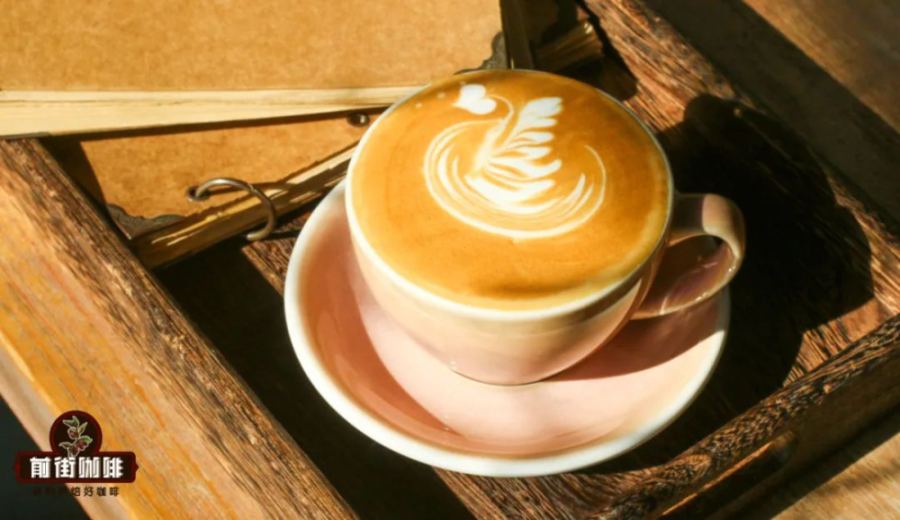
Introduction:Coffee latte art has long since evolved beyond simple heart shapes into a diverse array of expressive forms. This article delves into the differences between traditional latte art, etching techniques, and three-dimensional 3D latte art, analyzing the characteristics, tool choices, and key techniques of each style. It aims to help coffee enthusiasts and professionals gain a comprehensive understanding of this craft that blends artistry and skill, mastering everything from beginner to advanced levels in one go.
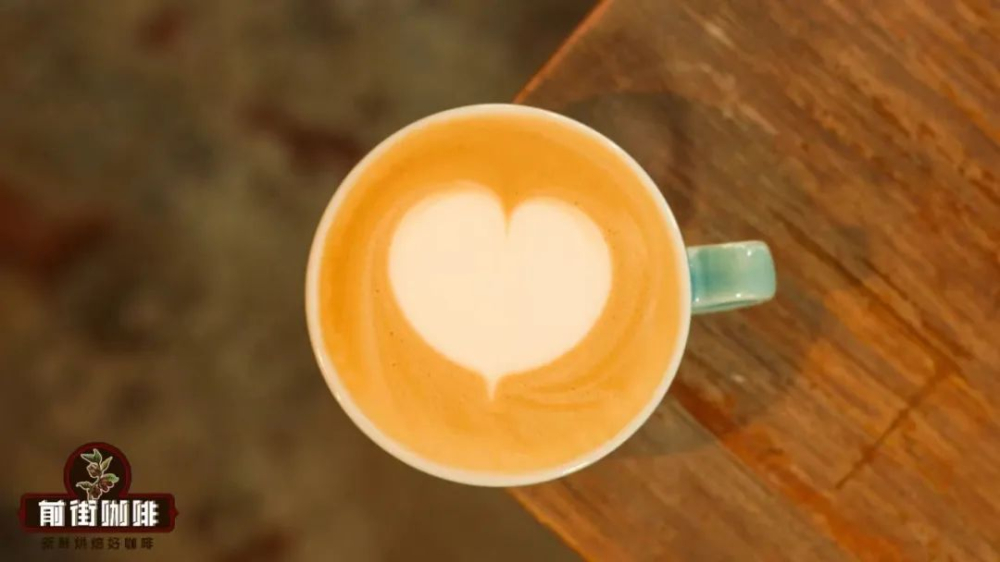
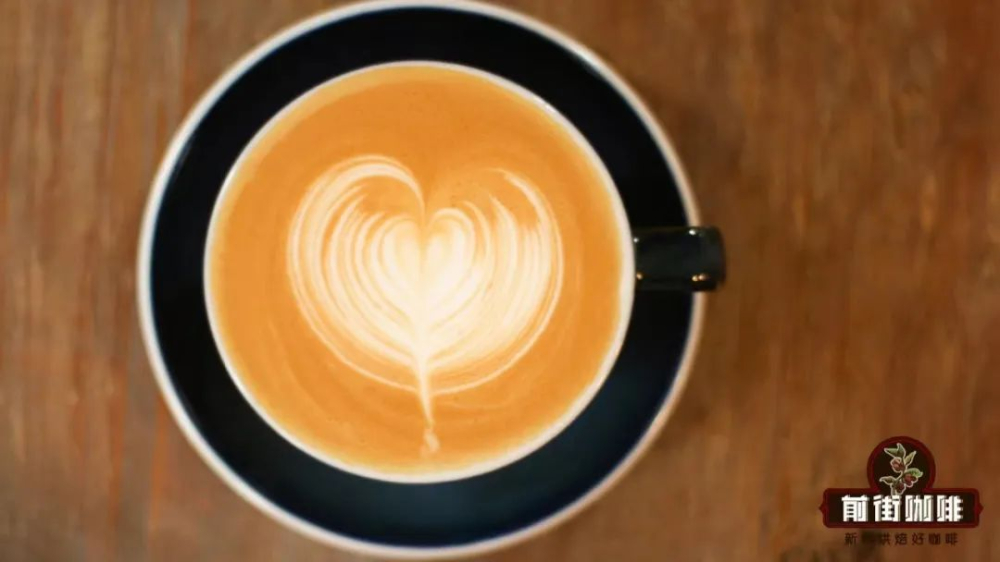
Coffee latte art is no longer just about heart shapes. Dating back to the 1980s, David Schomer, a barista in Seattle, USA, accidentally created a heart shape on the surface of a milk coffee while preparing it. This simple yet visually captivating idea made the contrast between milk and coffee more vivid and marked the beginning of the evolution of latte art. Since then, latte art has expanded beyond single patterns to include various techniques such as traditional latte art, etching, and three-dimensional 3D latte art, each with its unique charm and challenges.
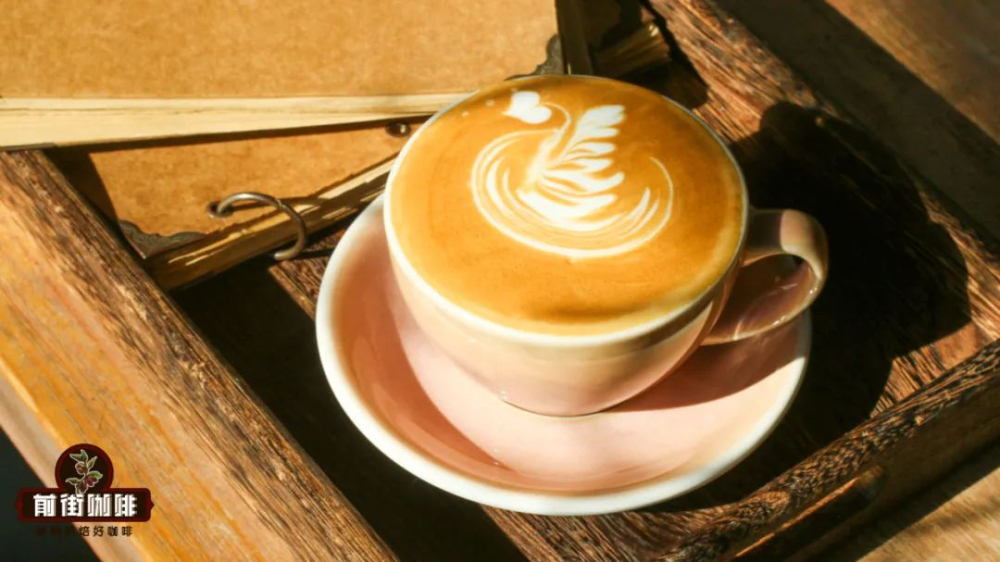
Among the many types of latte art, the first to introduce is traditional latte art. This type primarily uses a pitcher as the main tool, controlling the flow rate, angle, and movement path of the milk foam to create simple or complex patterns on the surface of the coffee. Traditional latte art can generally be divided into two main categories: basic patterns and combined advanced patterns. The former includes hearts, layered hearts, leaves, etc., which are ideal for beginners; the latter combines multiple elements, requiring higher milk foam texture and operational stability, making it a challenge for advanced baristas.
Next is coffee etching, a technique that involves detailed carving using a specialized etching needle. The etching needle is recognized in international coffee competitions as a tool that combines delicacy and expressiveness. Its two ends are designed differently—one finer and the other thicker—allowing for the creation of either delicate or bold lines, achieving details that a pitcher cannot produce. This technique places more emphasis on the hand skills and creativity of the artist, capable of outlining intricate designs like teddy bears and flowers, as well as adding more stylized expressions.
As for three-dimensional latte art, it is an even more advanced and challenging form of expression. Unlike traditional flat latte art, 3D latte art creates patterns with a three-dimensional effect by stacking thick milk foam and manually shaping it with a spoon and etching needle. This technique is often described as "sculpting," not only requiring control over the thickness and stability of the milk foam but also potentially incorporating colored syrups like chocolate or caramel sauce for outlining, enhancing the overall visual depth. Due to the involvement of multiple tools and techniques, 3D latte art demands a high level of comprehensive ability from baristas and has become a stage for many professional baristas to showcase their skills.
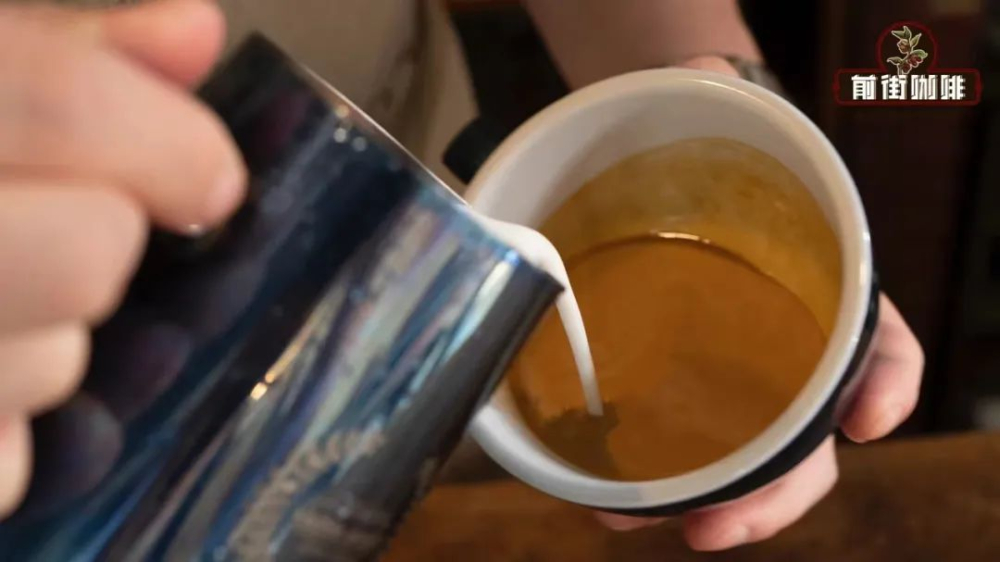
In practical operation, traditional latte art requires attention to the texture of the milk foam—the ideal foam should be fine, uniform, and have a stable flow rate to smoothly draw patterns on the coffee surface. Common mistakes among beginners include overly fast flow rates that blur the patterns or overly coarse foam that prevents details from showing. For advanced combined patterns, in addition to technique, one must also grasp the logical arrangement and balanced layout of the patterns.
For etching, it’s recommended to start with simple lines to get familiar with holding and applying pressure to the etching needle, then gradually attempt more complex patterns. Since the etching needle can create details that a pitcher cannot achieve, it is often used to refine or add layers to patterns, serving as a secret weapon for many competition participants.
As for 3D latte art, in addition to basic milk foam control, attention must also be paid to the steaming degree and stacking technique of thick milk foam. Foam that is too soft tends to collapse, while foam that is too firm is difficult to shape. Additionally, when using chocolate or caramel sauce for outlining, it’s important to control the flow rate and line thickness to avoid compromising the overall aesthetic. Although such latte art delivers a stunning visual effect, the process is complex, and it’s advisable to gradually take on the challenge after mastering the basic techniques.
In summary, coffee latte art has evolved from simple heart shapes into a comprehensive craft that combines technique, art, and creativity. Whether it’s the classic patterns of traditional latte art, the delicate carvings of etching, or the 3D visual effects of 3D latte art, each technique has its unique charm and learning value. By gaining an in-depth understanding of these types and their production essentials, coffee enthusiasts and professionals can find their own expressive style within this craft.
The above content is compiled by CoffeeHunters, a coffee news website.


