







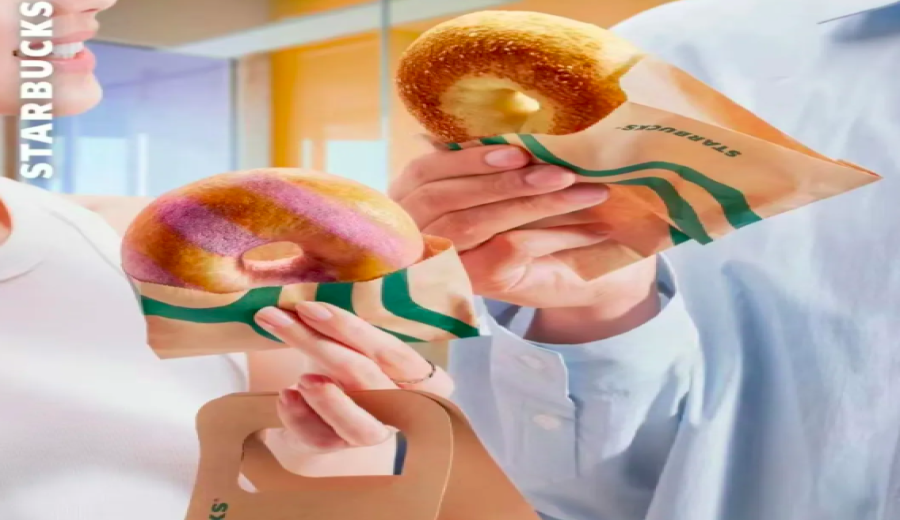
Introduction:Bagels, with their unique texture and versatile pairings, have become a new favorite on the breakfast tables of coffee enthusiasts. As Starbucks announces the upcoming launch of four bagel products in China, priced between 18 and 26 RMB, market attention has turned to whether this move will shake up Tims, which has long been deeply entrenched in the "bagel + coffee" combination. This article provides an in-depth analysis of the competitive dynamics between the two major brands from the perspectives of product positioning, pricing strategy, and consumption scenarios.
With their chewy texture and diverse flavors, bagels have rapidly gained popularity in global coffee consumption scenes in recent years, especially among urban office workers. This ring-shaped bread originating from Europe can be paired with various spreads, salads, or used as a sandwich casing, making it an excellent choice for breakfast or light meals. As Starbucks announces the launch of four new bagel products in its Chinese stores in early July, priced roughly between 18 and 26 RMB, this baked good has once again become a focal point of market attention.
In fact, bagels are no longer a novelty. Since 2019, they have built high popularity among young consumers, with popular discussions on social platforms about "bagel reviews" and "DIY bagel recipes." Chain coffee brands such as Tims, Peet’s Coffee, and seesaw have also successively included bagels in their regular menus. Among them, Tims has successfully positioned the bagel as one of its star products through its brand identity of "warm food + coffee," building a solid customer base.
The new bagel series launched by Starbucks features a variety of fillings, including thick egg, vegetable, and cheese bagel sandwiches, as well as scallion and bacon bagel sandwiches. These not only enrich the product lineup but also break the previous limitation of being confined to breakfast scenarios, potentially covering more consumption periods. Although Starbucks had previously tested the bagel product in some markets in 2017, emphasizing its convenience as a breakfast pairing at that time, its strategy in the Chinese market this time is clearly more diverse, indicating the brand’s long-term intention to develop this category.
Notably, Starbucks previously received positive feedback after launching bagels in the South Korean and Japanese markets, which may be one of the reasons prompting its accelerated entry into the Chinese market. According to information leaked from social media, the pricing strategy for the new bagel series is similar to that of Tims, with some products even falling within the same price range. For consumers, the choice will likely depend more on brand preference and the actual flavor performance of the products.
Since entering the Chinese market, bagels have played an important role for Tims, not only as a popular breakfast option but also gradually integrating into multiple consumption contexts such as afternoon tea and light meals. According to publicly available brand information, bagel-related product sales account for a significant proportion of store revenue, which has prompted Tims to continuously optimize its bagel menu—adjusting the price range to enhance competitiveness and actively developing new flavors that cater to local tastes. In terms of pricing, Tims’ bagel products are generally slightly lower than those of Starbucks, which may become an advantage for Tims in the face of Starbucks’ market entry.
However, some consumers have noted that if Starbucks’ bagels can match Tims in terms of filling and texture, coupled with Starbucks’ own brand recognition in coffee, they might be willing to switch to Starbucks. After all, for many coffee enthusiasts, Starbucks still holds a certain reputation in coffee brewing techniques and flavor presentation, especially in the ratio of espresso to milk, which can better complement the flavor of bagel sandwiches.
Overall, Starbucks’ launch of new bagel products will undoubtedly bring a new wave of competition to the "bagel + coffee" combination in the Chinese market. Whether Tims can maintain its leading position with its existing advantages will depend on its continued optimization in product innovation, pricing flexibility, and consumer experience.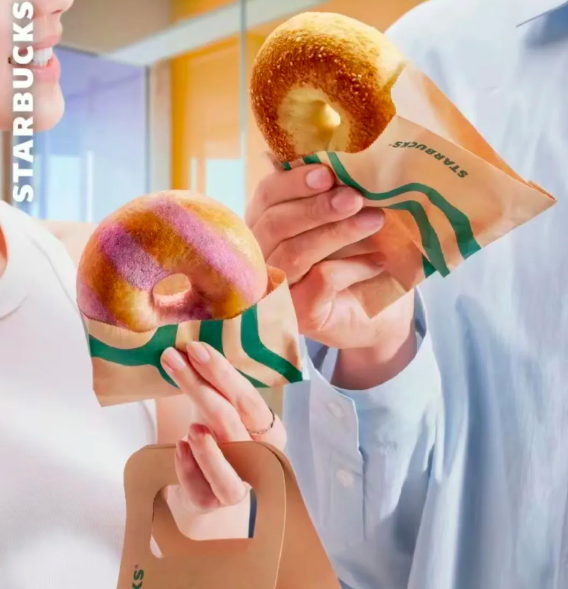
For consumers, this brand competition also means more diversified choices. Whether they prefer Tims’ affordable prices and localized flavors or lean toward Starbucks’ brand atmosphere and globally consistent quality assurance, the expansion of the bagel market undoubtedly adds more possibilities to the daily choices of coffee lovers.
The above content is compiled by CoffeeHunters, a coffee news website.


