








Introduction:The extraction time and flow rate of pour over coffee directly affect how its flavors are presented, yet many people focus solely on grind size while overlooking how filter cone and paper differences also play a crucial role. This article delves into how grind size alters water permeation speed, and breaks down the structural and material characteristics of different brands of filter cones and papers, helping you accurately grasp the key factors influencing extraction and optimize the performance of every cup.
The charm of pour over coffee lies in the control of details, and extraction time is one of the most critical parameters. The length of extraction time directly determines how much flavor is extracted from the coffee grounds by hot water, thereby affecting overall taste and aroma. So, what exactly determines extraction time? The answer lies in the permeation speed of hot water through the coffee bed—faster permeation means shorter time; slower permeation means longer time.
Many beginners think that simply adjusting grind size is enough to control flow rate, but it’s only one of the influencing factors. Grind size does significantly impact water flow speed, but it’s not the only variable. In fact, the design of the filter cone, as well as the material and thickness of the filter paper, can all noticeably alter water flow efficiency, thereby affecting the final extraction outcome.
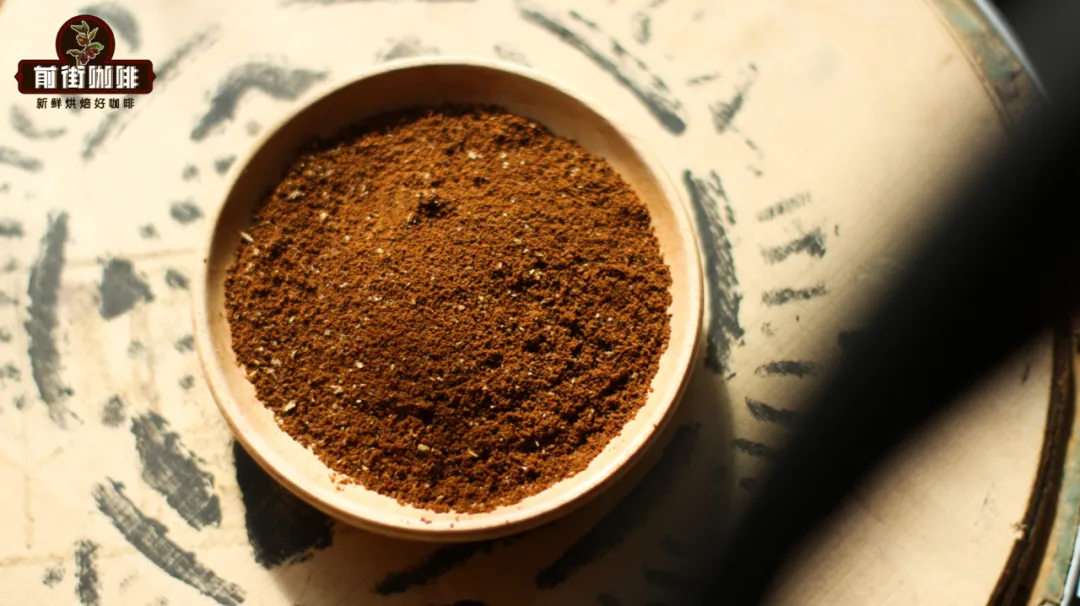
Let’s start with the most fundamental aspect: grind size. Extraction time is essentially the total time required for the target water volume to pass through the coffee bed. Under consistent conditions using the same coffee beans,the coarser the grind, the faster water flows through, resulting in a naturally shorter extraction time; conversely,the finer the grind, the greater the resistance to water flow, slowing it down and leading to a longer extraction time.

This relationship stems from changes in the gaps between coffee particles: with a coarse grind, the spaces between coffee grounds are larger, allowing water to pass through more easily, hence a faster flow rate; a fine grind compacts the coffee bed, making the water path more twisted and complex, which slows down flow rate and extends extraction time. This is why many pour over guides recommend fine-tuning pouring speed and time based on grind size.
However, grind size isn’t the only factor affecting flow rate. If you find that even after adjusting grind size, extraction time remains unstable, then you need to consider the influence of the filter cone and filter paper. Different brands and models of filter cones have noticeable differences in structural design—such as the distribution of ribs, the size of the bottom opening, and the taper angle—all of which affect air circulation and water flow paths, thereby altering overall extraction efficiency.
For example, some filter cones feature a multi-level rib design that helps expel air and stabilize the coffee bed, resulting in more even water flow; whereas certain conical filter cones have smaller bottom openings, which, while beneficial for focused extraction, can also lead to over-extraction due to poor water flow. Additionally, the material and coating of the filter paper should not be overlooked. Unbleached natural filter paper is usually thicker, offering slightly higher resistance to water flow, making it suitable for slightly coarser grinds; whereas bleached filter paper is generally thinner and more permeable, better suited for finer grinds.

Overall, to achieve ideal extraction time and flavor balance, you can’t rely solely on adjusting grind size. It’s recommended that after selecting your coffee beans and grind size, you make appropriate adjustments to pouring technique and coffee-to-water ratio based on the specific filter cone model and filter paper type you’re using, observing changes in extraction time, and gradually finding the most suitable combination. Only when grind size, filter cone, and filter paper are all in harmony can you truly master the flavor expression of pour over coffee, brewing a cup with rich layers and balanced taste.
The above content is compiled by CoffeeHunters, a coffee news website.


