








Introduction:Have you ever come across the term "bergamot" in coffee flavor descriptions but felt unfamiliar with it? In fact, what the coffee community refers to as "bergamot" is actually the citrus fruit bergamot, derived from the English word, and not the commonly known Buddha’s hand fruit in Chinese. This article will delve into the differences between the two, helping you understand how this refreshing fruity aroma influences coffee flavors. Through real tasting examples, we’ll also help you more accurately identify the layers of citrus and floral notes in coffee.
In the world of coffee tasting, the term "bergamot" frequently appears in flavor profiles, especially in coffee beans that feature bright acidity and fresh floral notes due to washed processing methods. However, many consumers are puzzled: What does this fruit look like? Is it actually available in the market? Some even mistakenly think it’s the Buddha’s hand fruit commonly seen in supermarkets. In reality, the so-called "bergamot" in coffee originates from the English word "Bergamot," usually translated in Chinese as "香檸檬" (bergamot orange), and is entirely different from the traditional meaning of Buddha’s hand (scientific name: Citrus medica var. sarcodactylis).

Many coffee enthusiasts have encountered the term "bergamot" when looking at specialty coffee packaging or tasting notes. For instance, renowned beans such as Panama Geisha Washed Green Label from Hacienda Esmeralda, Guatemala Injerto Washed Pacamara, Ethiopia Washed Yirgacheffe, and Bolivia Rodriguez Washed Java often feature this aromatic descriptor in official or popular tasting notes. However, if you’ve never encountered this fruit, it might be difficult to imagine what kind of scent or taste it represents in coffee. So, what exactly does this "bergamot" refer to in terms of smell and taste?
In the Chinese context, the term "佛手柑" typically refers to a uniquely shaped citrus fruit resembling fingers, scientifically named Citrus medica var. sarcodactylis, commonly found in southern China. It gets its name because its appearance resembles a Buddha’s hand, and it’s also called 佛手 (Buddha’s hand). This fruit has certain medicinal properties and is often used in traditional Chinese medicine or cooking, but it is completely unrelated to the "bergamot" flavor mentioned in coffee. From a botanical and global coffee flavor research perspective, the "bergamot" referred to in the coffee field is actually a mistranslation of the English word "Bergamot," which should correctly correspond to bergamot orange.
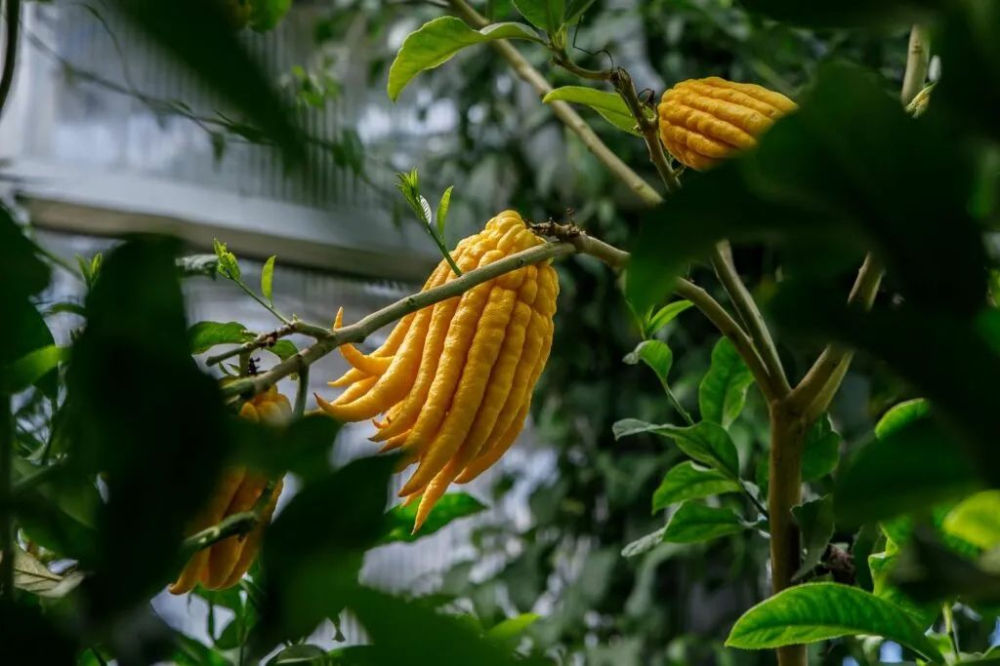
Bergamot (Bergamot or Bergamot Orange) is not the common oranges or lemons sold in markets, but rather a citrus fruit with a rounder shape and yellowish-green skin. Its pulp is quite acidic and not typically eaten directly, but the aroma emitted by its peel is extremely rich and unique, often used for extracting bergamot essential oil. This essential oil is widely applied in perfumes, personal care products, and flavorings, with one of the most iconic examples being the famous British Earl Grey Tea. This classic tea beverage is made by adding bergamot essential oil to black tea, giving it a refreshing and pleasant citrus-floral aroma. Therefore, when we see the term "bergamot" in coffee tasting notes, it is often accompanied by flavor descriptions similar to those of Earl Grey Tea.
Interestingly, the Chinese translation "佛手柑" is actually a mistranslation from the word "Bergamot" during early trade processes. Because it sounded exotic and had an Eastern flair, it was simply adopted and has been used ever since. However, the real Buddha’s hand (Fingered Citron) and bergamot orange differ significantly in botanical classification, fruit morphology, and usage. Bergamot is believed to be a natural hybrid of sour orange and sweet lemon, belonging to the Rutaceae family and Citrus genus. Though related to fruits like lemons and oranges, the aromatic compounds in its peel are more complex. In addition to common compounds like limonene and citral, it is also rich in linalyl acetate and linalool, giving it not only a refreshing citrus scent but also a soft floral tone. Some flavor wheels even categorize it as a floral aroma.

So, how can coffee enthusiasts identify the so-called "bergamot" flavor in a cup of coffee? Taking commonly washed-process Geisha as an example, many Geisha varieties produced in Panama, Ethiopia, and other regions, under the influence of washed processing, often exhibit bright citrus acidity, delicate floral notes, and light fruity aromas. When such coffee is labeled with "bergamot," it often means that its flavor profile includes layers reminiscent of the refreshing, floral-peppery aroma of bergamot peel, sometimes accompanied by subtle tea-like notes and mild bitterness, making the overall taste more multi-dimensional. In actual tasting, you can pay attention to whether the coffee presents white floral notes (such as jasmine or orange blossom), gentle citrus acidity (like lemon or lime), and a slight tea or honey-like finish upon entry—these are all common manifestations of bergamot aroma.
Additionally, be aware of a common misconception: some coffee tasters or roasters may also refer to the aroma of a North American native herb called bee balm (Monarda didyma, commonly known as Bergamot in English) as "bergamot." The leaves and flowers of this plant emit a strong citrus and herbal aroma similar to bergamot, often used in herbal teas or flavoring. Therefore, when you see a coffee described as having a "bergamot herbal aroma," it could also be referring to this non-fruit-derived aromatic characteristic.
If you want to further experience the flavor profile of bergamot but find it hard to get fresh bergamot oranges, you might draw inspiration from everyday beverages. For example, brewing a cup of Earl Grey Tea and savoring its citrusy tones with subtle floral and tea nuances can help you grasp the aromatic characteristics commonly found in specialty coffee. Furthermore, try using a pour over method at around 90–93°C to brew a washed Panamanian Geisha or Yirgacheffe. Pay attention to your pouring speed and coffee-to-water ratio (recommended 1:15 to 1:16), and you may also capture that familiar refreshing citrus and subtle floral note in the coffee’s finish—that’s the true expression of bergamot flavor.

In summary, the "bergamot" flavor often mentioned in coffee actually comes from the English word "Bergamot," referring to the bergamot orange, and not the familiar Buddha’s hand fruit. This aroma plays an important role in many washed-process specialty coffees with its unique, refreshing peel scent, soft floral notes, and subtle tea-like feel. By understanding its botanical background, aromatic components, and real-world tasting expressions, you’ll be able to more accurately identify this classic citrus aroma in coffee, further enriching your tasting experience and flavor memory.
The above content is compiled by CoffeeHunters, a coffee news website.


