







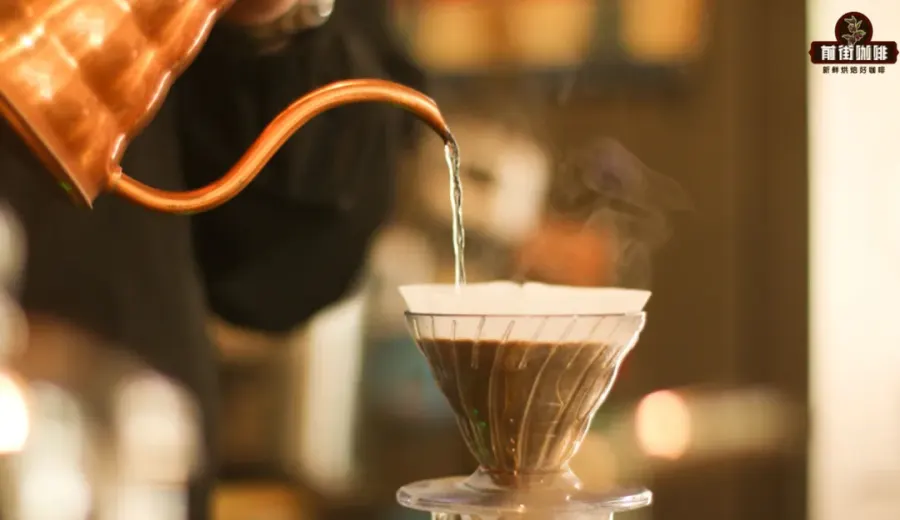
Introduction:The water used for brewing coffee has a profound impact on flavor expression and equipment longevity. Using the wrong water quality can not only flatten the layers of flavor in your coffee but also accelerate scale buildup and damage to your machines. This article delves into the relationship between PPM and water hardness, explains why espresso machines should not use tap water directly, and provides practical DIY water recipes using baking soda and magnesium sulfate. With hands-on pour over flavor comparisons, it helps coffee enthusiasts master essential techniques.
Many coffee lovers have wondered: why does the same coffee bean taste completely different when brewed with different types of water? In fact, water is not just a brewing medium—it is itself one of the key factors that influence the final flavor of the coffee. Especially when using tap water, its high mineral content can not only lead to uneven extraction but also cause stubborn scale to form inside the coffee machine, further affecting performance and lifespan.
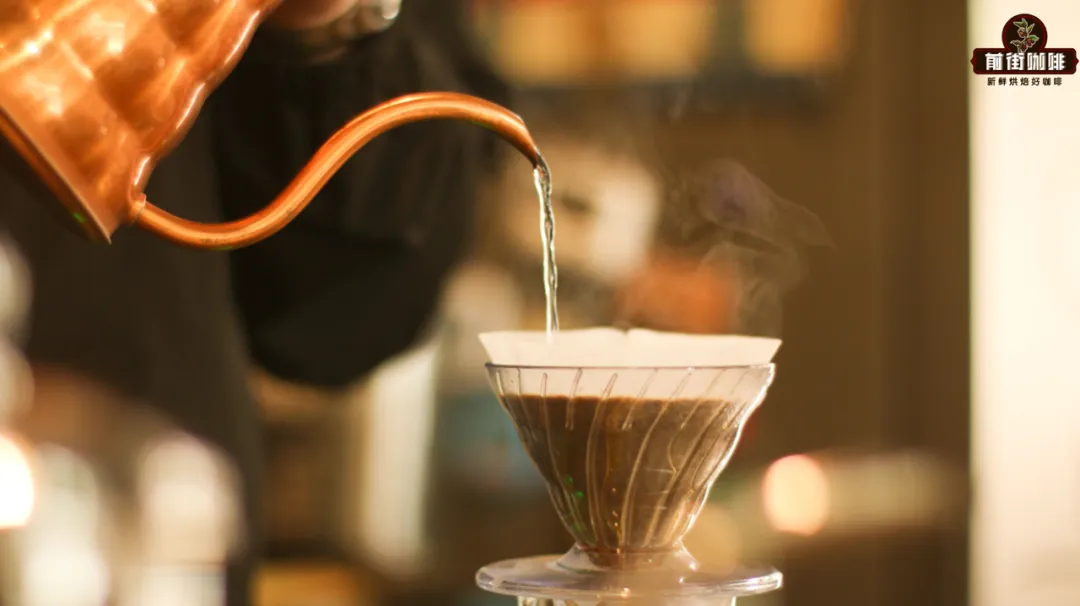
A common piece of advice heard in the market is: “It’s best to avoid using tap water directly for brewing coffee.” The reason is not that the water is unclean, but because tap water contains relatively high concentrations of various dissolved minerals. These substances, when heated to high temperatures, tend to precipitate and accumulate on the heating tubes and boiler walls of the coffee machine. Over time, this forms what is known as “scale.” This buildup not only slows down heat exchange efficiency but also alters water flow and thermal distribution, changing the conditions of coffee extraction and ultimately affecting overall flavor balance.
Not only espresso machines—when it comes to pour over coffee, where fine flavor nuances are paramount, the choice of water is equally critical. Ions such as calcium, magnesium, potassium, and sodium in the water chemically interact directly with the acidic, sweet, and bitter compounds in coffee grounds. An appropriate level of minerals can enhance flavor release, but if the concentration is too high, it can inhibit extraction and alter the taste. Therefore, most professional baristas prioritize using “soft water” with low Total Dissolved Solids (TDS) or PPM values when brewing.
PPM (parts per million) refers to the ratio of solute mass per million parts of water, equivalent to mg/L. The higher the value, the more dissolved substances are present in the water. According to World Health Organization standards, water with a PPM above 200 is considered “hard water,” while below 200 is “soft water.” However, even if tap water has a PPM below 200, it is not necessarily suitable for direct brewing—generally, it is recommended to keep brewing water PPM below 140 to avoid mineral saturation, which can prevent full release of coffee flavor compounds, leading to under-extraction or over-extraction.
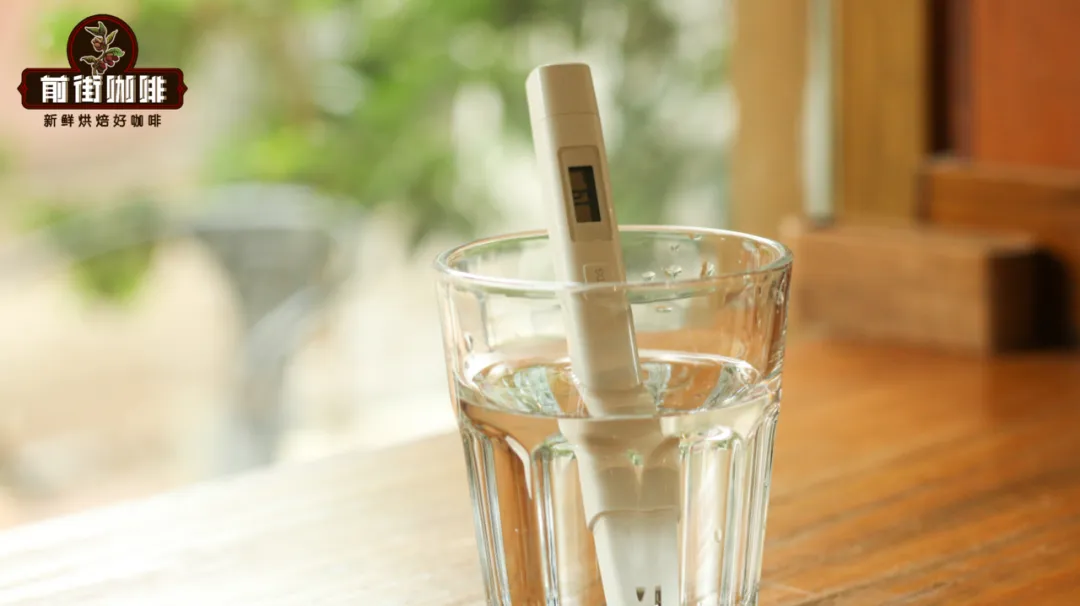
For these reasons, many coffee enthusiasts opt to install water filters or use bottled water to ensure stable brewing water quality. But for those looking to further refine flavor, a more advanced approach is to follow expert recommendations and custom-blend “ideal water” tailored to brewing needs.
The simplest way is to purchase commercially available specialized blending water concentrates, which only need to be mixed with purified water (such as common brands like Yibao) in the right proportions. The downside is the higher cost. For those who prefer a hands-on approach and budget control, an option is to use baking soda (sodium bicarbonate) and magnesium sulfate (commonly known as Epsom salt) as the main blending ingredients, combined with purified water, to create soft water suitable for coffee brewing.
The specific steps are as follows:
First, prepare three 1-liter bottles of purified water and two key ingredients: edible baking soda and edible Epsom salt (magnesium sulfate). Epsom salt may be harder to find in some physical pharmacies or cosmetics stores, so it is recommended to purchase online to ensure quality and purity.
Step one: take one 1-liter bottle of purified water and add1.68 grams of baking soda, stir until fully dissolved. This solution is the “buffer solution,” also called the HCO₃⁻ solution, whose primary function is to stabilize the pH of the water and prevent large fluctuations in acidity or alkalinity during brewing. Since there is no obvious visual change, be sure to label it for differentiation. Once done, set it aside temporarily.
Step two: take another 1-liter bottle of purified water and add2.45 grams of magnesium sulfate, also stirring until fully dissolved. This is a “magnesium concentrate” rich in magnesium ions, with a concentration of about 1000 ppm, used to supplement essential mineral elements in the water. Be sure to label it clearly before storing.
Step three is the most crucial blending phase. According to the ideal water quality range recommended by the SCA (Specialty Coffee Association), total hardness should be controlled within120–130 ppm. Therefore, we will take40 ml of buffer solution,80 ml of magnesium concentrate, and then add880 ml of deionized water (or another bottle of purified water with no additives), mix evenly to complete the water blend tailored specifically for coffee brewing.
To verify the effectiveness of the blend, a real-world test showed: using the homemade blended water and commercial Nongfu Spring water to brew the same Ethiopian Kochere coffee beans. The result was that the Nongfu Spring version showcased bright citrus acidity, delicate white floral aromas, and a soft black tea finish. In contrast, the version brewed with the blended water exhibited a rounder, fuller acidity, with more layered and distinct floral notes, delivering an overall flavor profile with greater distinction and depth.
In summary, the selection and blending of water for coffee brewing is far from just a “usable is fine” secondary consideration—it is a key element that directly influences flavor direction and extraction efficiency. Whether you choose filtration, buy bottled water, or blend it yourself, understanding the basic concepts of PPM and water hardness is an essential lesson for every coffee lover aiming to improve their brewing skills.
The above content is compiled by CoffeeHunters, a coffee news website.


