







Introduction:On hot summer days, cold drip coffee has become the top choice for many coffee enthusiasts, yet its price is often higher than that of a regular iced Americano or cold brew. So what makes cold drip coffee more expensive? From specialized drip equipment and larger coffee grounds usage to the lengthy brewing process, every step affects both cost and flavor. This article will take an in-depth look at the overall investment that goes into cold drip—from ingredients to final product—to help you understand the details and value behind a high-quality cup of cold drip.
As temperatures rise, cold drip coffee is gradually becoming one of the most popular drinks in cafés, second only to the classic iced Americano. However, many consumers wonder: what’s the difference between cold drip and iced Americano? And why is it significantly more expensive? The key lies in the brewing method. While cold drip falls under the category of cold brew, it is more technical and time-consuming than typical cold steeping. It requires specialized cold drip equipment, using low-temperature ice water to slowly drip through the coffee grounds. The entire process can take five to eight hours, and if you include the maturation time, a single 600 ml pot of cold drip coffee may even take over ten hours from start to finish.
There are also differences in the amount of coffee grounds used.For example, with 60 grams of coffee grounds, you can only make about three cups of cold drip, whereas the same amount used in a pour over method can yield around four cups. This article will take a practical approach to comprehensively break down the various costs of cold drip coffee—ranging from equipment, coffee-to-water ratio, labor time, to flavor development—so you can better understand the story behind this premium summer beverage.
The cold coffee available on the market can be broadly divided into two types: one is quickly extracted with hot water and then cooled down with ice, such as common iced pour overs and iced Americanos; the other uses low-temperature or room-temperature water for slow extraction, allowing the coffee flavors to gradually release. These are collectively referred to as cold brew, and cold drip is the most well-known among them.
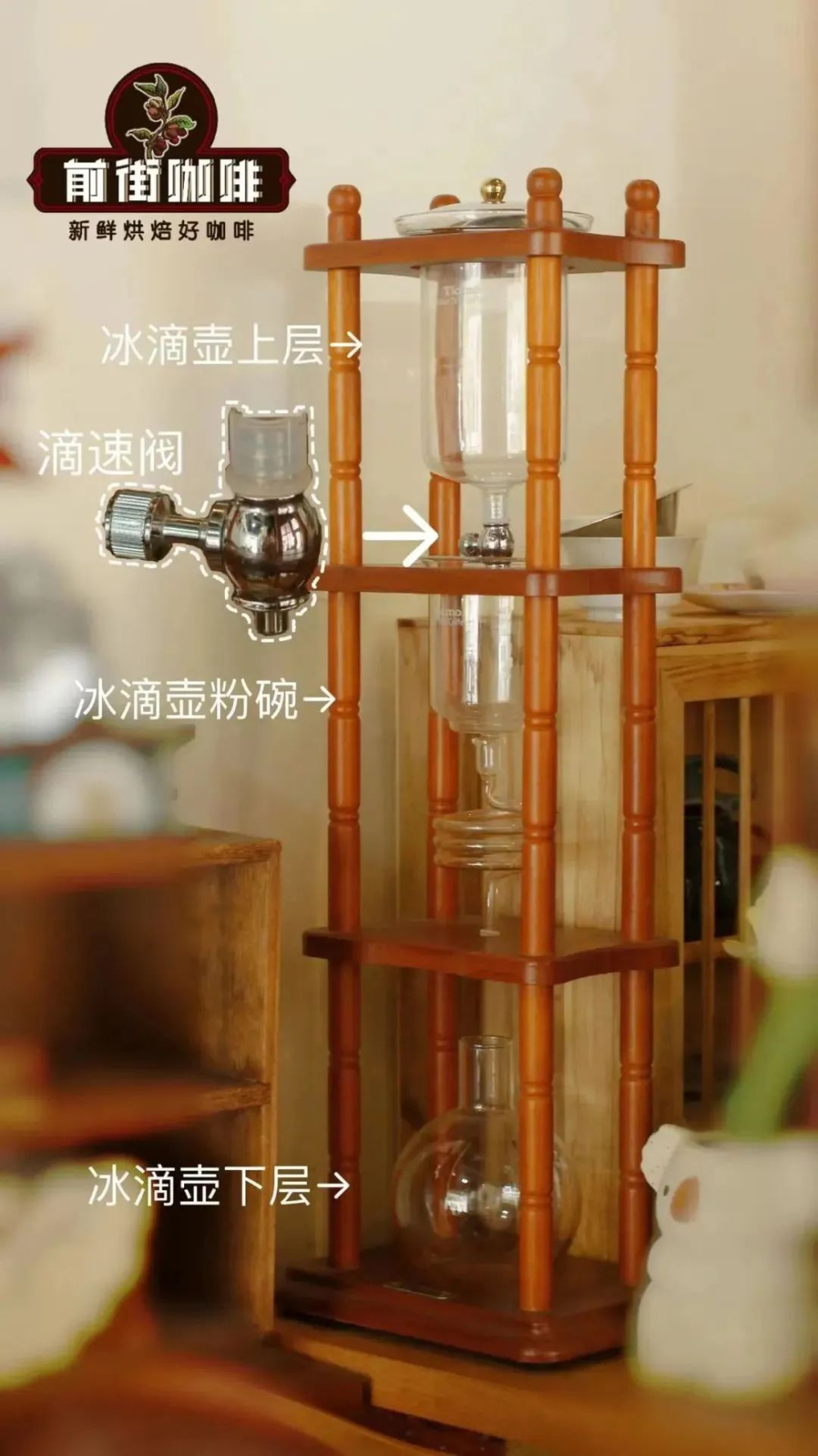
Most cold brew methods use a simple steeping approach—just by having a refrigerator, coffee grounds, a clean container, and filter material at home, anyone can make it themselves. But cold drip is not so casual; it relies on specially designed drip systems—cold drip towers. There are many models on the market today, with a wide range of prices, from budget options at just a few dozen yuan to high-end ones costing over a thousand. However, their basic structure is largely the same, consisting of three main parts: an upper chamber with an ice water drip rate control valve, a middle filter basket that holds the coffee grounds, and a lower chamber that collects the brewed coffee liquid.

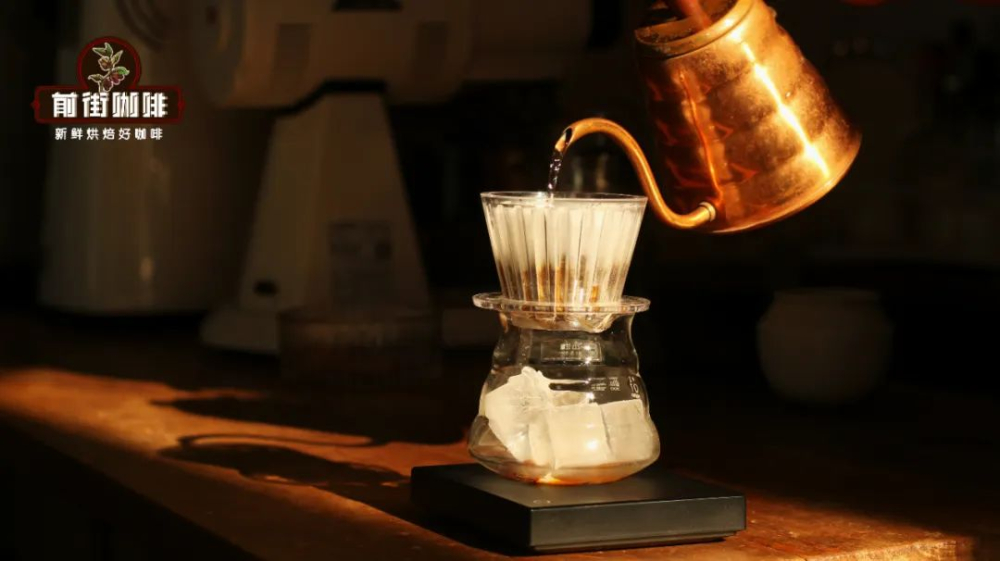
In actual operation, ice water drips extremely slowly—at about one to two drops per second—steadily onto the coffee grounds in the filter basket. Through prolonged contact, it gradually extracts the soluble flavor compounds, which then naturally flow into the lower chamber by gravity. This process can take several hours until enough coffee liquid is collected. In practice, a Tiamo HG2713 three-tier cold drip tower is commonly used, along with a 1:10 coffee-to-water ratio—that is, 60 grams of coffee grounds are used to extract 600 ml of coffee liquid, with the drip rate controlled at about 7 to 8 drops every 10 seconds.
Since the entire extraction process only involves low-temperature ice water and the dripping speed is extremely slow, it helps reduce the release of bitterness and off-flavors, while making the flavor more concentrated and balanced. Unlike static cold steeping, cold drip is a dynamic extraction process where the ice water continuously passes through the layers of coffee grounds, rather than being left to soak for a long time. As a result, the final taste is usually clearer, cleaner, and has a more distinct flavor layering.
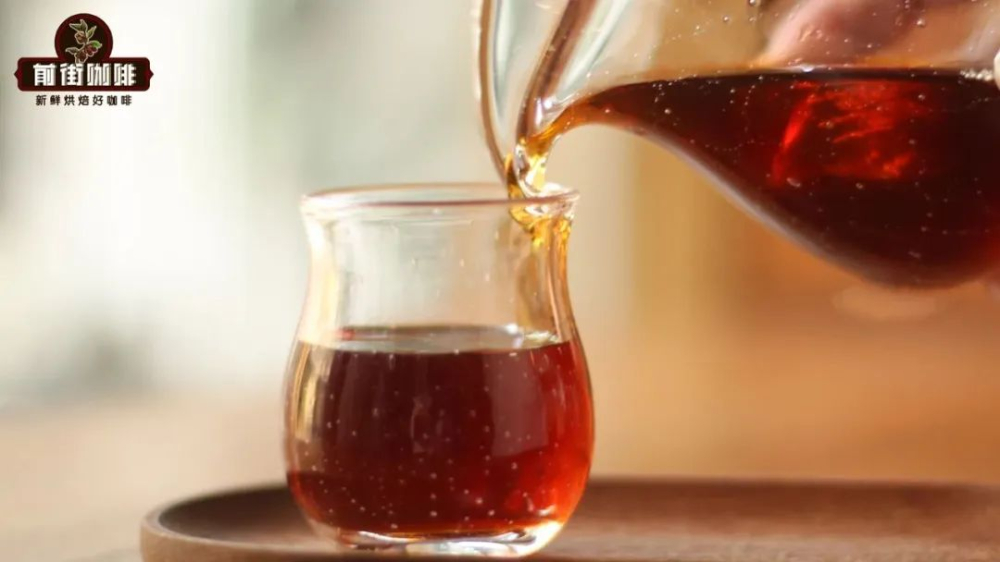
After the coffee liquid has finished dripping, it is recommended to transfer it into a clean and airtight container and refrigerate it for at least 8 hours to allow the flavors to mature and stabilize. This step helps control the degree of fermentation while reducing the risk of spoilage. Combining the dripping and refrigeration time, making a single 600 ml pot of cold drip coffee usually takes over ten hours. Therefore, many coffee shops adopt a reservation system to ensure quality and supply consistency. However, consumers can still choose to enjoy it without a reservation—the only difference might be slight variations in flavor between batches.
Additionally, to enhance the unique rich, wine-like body of cold drip and reduce potential off-notes in the aftertaste caused by long extraction times, many shops specifically select single-origin beans with strong fruity aromas and bright flavors. Compared to typical espresso blends, the cost of these ingredients is naturally higher, but this also contributes to the unique aromatic profile of cold drip.
From a practical standpoint, when selecting beans for cold drip, there is a preference for varieties with prominent floral, fruity, or fermented wine notes. Under the dual influence of low-temperature slow extraction and cold maturation, the final flavor often presents a crisp fruity acidity, along with subtle wine-like aromatic qualities, resulting in a refreshing yet layered taste.
Finally, one point that cannot be overlooked is,the relatively high pricing of cold drip coffee is also closely related to the use of a larger amount of coffee grounds.For example, to make a 600 ml pot of cold drip, 60 grams of coffee grounds are used, yielding only about 3 cups in the end. In contrast, the same 60 grams of beans used in a pour over method can brew approximately 4 cups, with about 15 grams per cup. This difference in coffee-to-water ratio is also one of the key factors affecting cost and retail price.
Of course, price is not the only criterion for judging the quality of a cup of coffee. There are plenty of affordable cold drip options on the market with good cost-performance ratios. As long as the bean quality is stable and the extraction technique is proper, they can still deliver excellent flavor. Ultimately, the pricing strategy for cold drip coffee depends on the café’s own brand positioning and business objectives.
The above content is compiled by CoffeeHunters, a coffee news website.


