








Introduction:Recently, many cafés and bookstores have required customers to make purchases based on seating or the number of people, sparking heated discussions. Especially when two people sharing a pot of tea are asked to place separate orders, many consumers feel puzzled or even dissatisfied. What are the business considerations behind “consumption per person”? Where do the differences in perspectives between merchants and customers come from? This article delves into multiple real-life cases, analyzes the reasons and impacts of this common rule, and supplements points consumers should pay attention to, helping you better enjoy your coffee time.
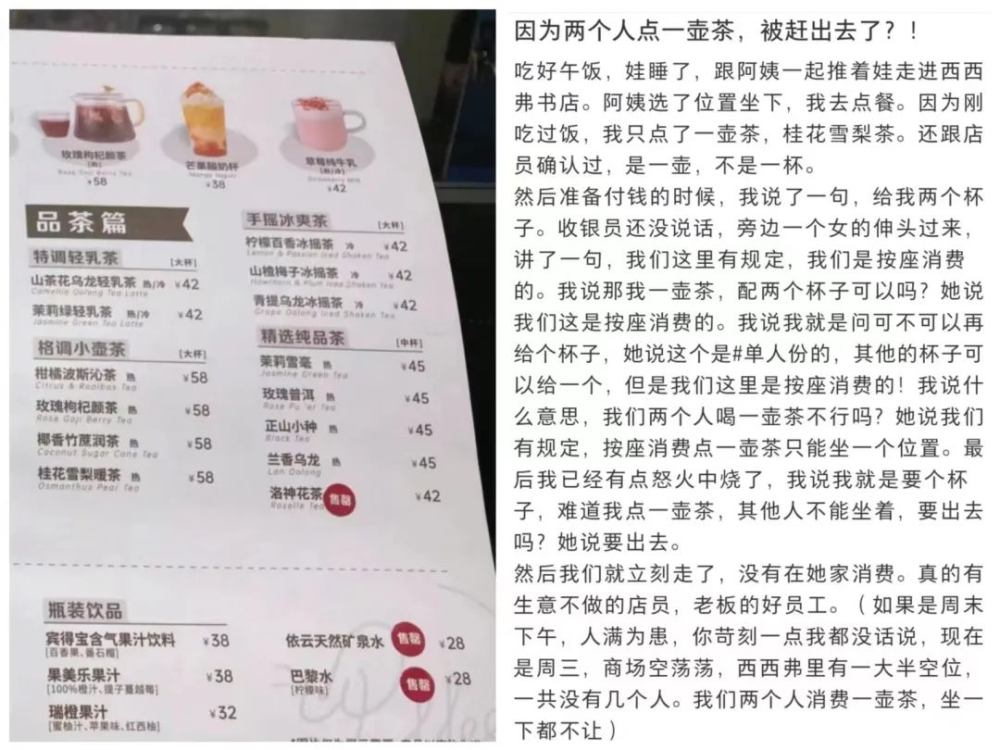
Recently, discussions about whether cafés and bookstores should require consumption per person have continued to heat up online. Especially when two customers order just one pot of tea but are asked to place separate orders or make additional purchases, the controversy intensifies. Many members of the public believe that a pot of tea is meant to be shared—why force each person to order separately? Merchants, on the other hand, generally believe that each seat should correspond to a certain level of consumption to maintain operational balance.
This “consumption per seat” or “consumption per person” model is not only seen in chain brands but also common in independent cafés and hipster bookstores. Some shops may offer teapots or set meals that can be shared by multiple people, but they still require customers to order “one item per person,” otherwise they may not be allowed to occupy a seat. This has drawn backlash from many consumers, who see it as a form of forced consumption.

In fact, many consumers have shared their experiences, noting that when visiting certain uniquely styled cafés, the shops offer so-called “single-person set meals” consisting of a drink and a light snack. But these portions are often sufficient for two people, yet they are still required to order an additional item per person or they won’t be seated. Many find this unreasonable, especially when the overall price is actually higher than sharing a pot of tea or one set meal.
From the merchants’ perspective, they explain the logic behind “consumption per seat” as follows: each seat represents a potential consumer, so each seat should have corresponding consumption content. Even if a pot of tea or a set meal seems shareable, merchants usually design these products with portions suited for one person. Therefore, they tend to treat each pot of tea or set meal as “one consumption unit” rather than a “sharable unit.”
Some netizens have pointed out that while this approach ensures basic revenue for merchants, it can also easily make customers feel forced to consume. Especially for those looking to save money or who prefer a sharing model, it can leave a bad impression, thereby affecting repurchase willingness and online reviews. Therefore, how to strike a balance between maintaining operations and customer experience is a key issue merchants need to carefully consider.
On the other hand, if consumers can familiarize themselves with the shop’s consumption rules before entering, it can help avoid on-site awkwardness and misunderstandings. For example, some bookstores or cafés will indicate at the entrance or on the menu that “each seat requires the purchase of one item” or “teapots are for single-person use only; please inquire if sharing is needed.” Being aware of these details in advance allows customers to decide whether to sit and consume based on their needs or adjust their ordering method accordingly.
Overall, although the “consumption per person” rule may seem harsh in certain situations, it often involves the merchant’s business model, cost control, and seating management strategy. For consumers, besides understanding these business logics, they can also choose shops that better suit their needs or communicate with staff for flexible arrangements, making their coffee time more pleasant.
The above content is compiled by CoffeeHunters, a coffee news website.


