







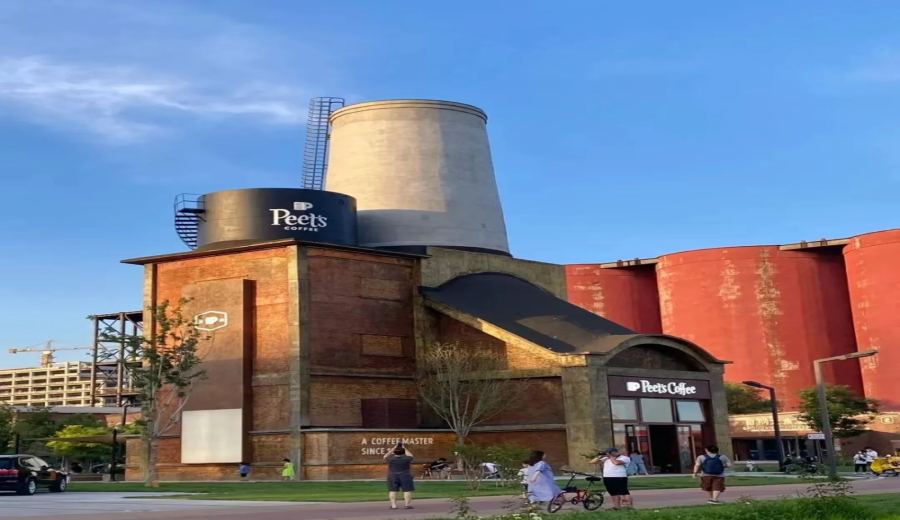
Introduction:A new Peet’s Coffee branch located in the Shougang Park of Shijingshan, Beijing, went viral for transforming an abandoned coke quenching tower into an industrial-style café, and is also seen as a potential pet-friendly spot thanks to the open lawns nearby. However, one pet owner drove an hour with their border collie only to be turned away for the reason that “there are children in the park.” There were no visible signs prohibiting pets beforehand, and social media platforms featured posts of visitors bringing pets to the café, sparking questions about a “disconnect between image and reality.” This article breaks down the incident and offers practical advice to help pet parents avoid similar situations.
In recent years, Shougang Park in Shijingshan, Beijing, has become a popular check-in destination among young people, thanks to its rugged steel furnaces and other industrial relics. The international coffee chain Peet’s Coffee chose an abandoned coke quenching tower within the park to build a store that blends historical character with modern design. Since its opening, it has attracted many customers who specifically visit to enjoy a cup of coffee in this unique space while soaking in an atmosphere that “extinguishes the anxieties of daily life.”
The vast grounds and lush lawns of Shougang Park have long been ideal spots for pet owners to walk their furry companions, and some restaurants within the park even promote themselves as “pet-friendly.” On the opening day of this new Peet’s branch, customers were seen resting inside with their dogs, and social media posts praised it as a “pet-friendly café.” However, a recent visit by one pet owner with their border collie took an unexpected turn.
The pet owner revealed that they had initially seen promotional posts from the park management and read comments from netizens suggesting that the staff hinted at being open to pets. Motivated by this, they made the trip from an hour away specifically to experience the café on its opening day. Once inside, their border collie remained quiet and stayed by their side without disturbing other customers, but the store manager asked them to leave, citing the presence of “children in the shop.”
In fact, most pet owners understand that pet behavior can be unpredictable and usually voluntarily avoid stores with clear “no pets” signs, opting instead for places that openly declare themselves pet-friendly. Yet, this Peet’s branch not only lacked prominent signage barring pets, but multiple social media posts also circulated showing visitors bringing their pets, leading many consumers to mistakenly believe that pets were indeed allowed.
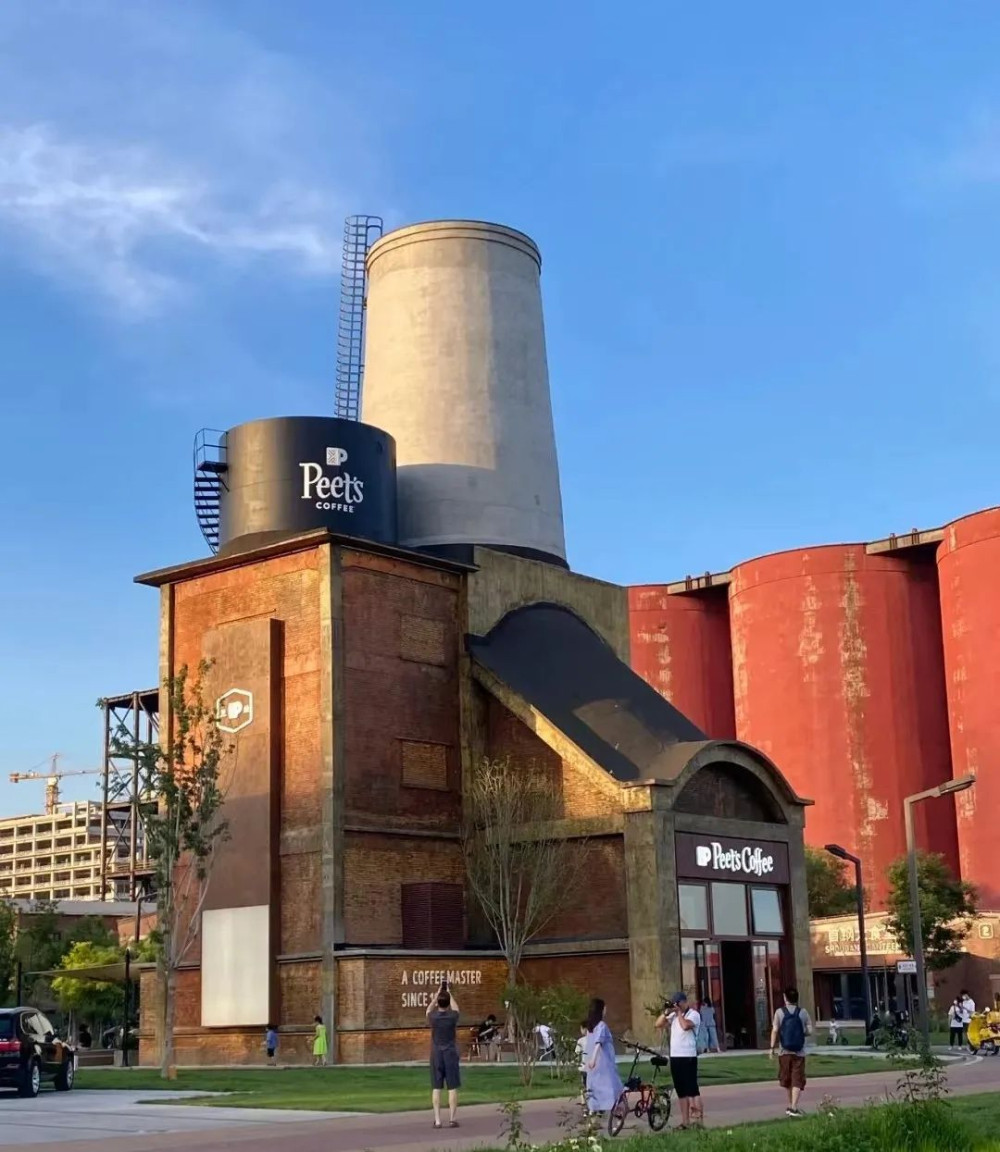
Many pet parents pointed out that if a store is concerned about pets possibly frightening children, the most practical approach would be to post a clear “no pets allowed” sign at the entrance or in a visible location, so customers are fully informed before arriving. Rather than indirectly suggesting a pet-friendly environment through word-of-mouth or online posts, only to refuse entry to pet-owning customers upon arrival—resulting in a wasted trip.
The pet owner has since contacted the management of Shougang Park and confirmed that the park itself does not have a policy against pets. However, they have not yet had direct communication with the Peet’s branch, so it remains unclear whether the store has specific rules or exceptions regarding pets.
Online discussions generally agree that, given the high summer temperatures, outdoor environments are unpleasant for both humans and pets. The café should quickly clarify its pet policy and make it publicly known to avoid disappointing dog lovers who come with certain expectations. In practice, if a store does not allow pets, it is recommended to place clear signage on official social media accounts, café windows, and at the entrance. If certain breeds or sizes are permitted, further details such as “small, well-behaved dogs only” could be added to reduce the chance of misunderstandings.
The above content is compiled by CoffeeHunters, a coffee news website.


