







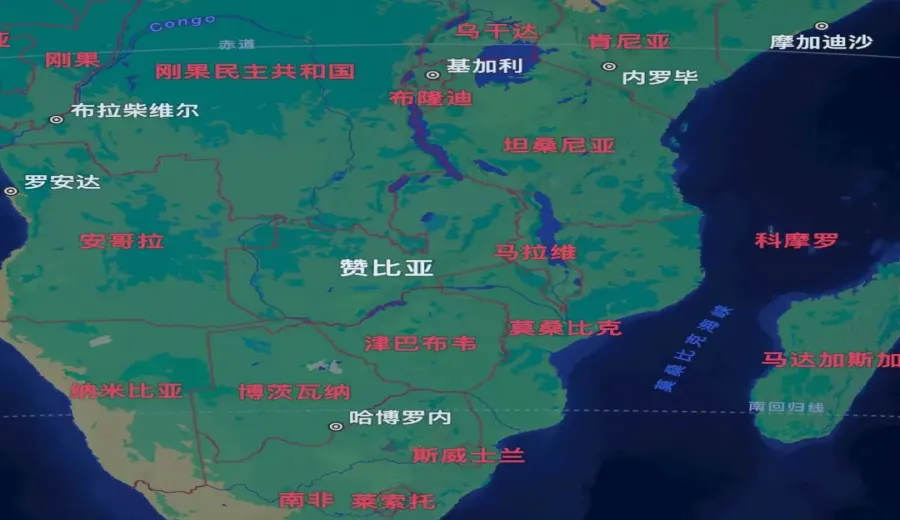
Introduction:Although Zambia is not as well-known as its neighboring Ethiopia, its high altitude and unique geographical environment nurture high-quality Arabica coffee. This article will delve into the distribution of Zambia’s main coffee-growing regions, suitable varieties such as Catimor and SL28, and the golden harvest period from October to March of the following year, helping you better understand the potential and characteristics of this emerging African coffee region.
African coffee plays a pivotal role in the global market, with Ethiopia regarded as the birthplace of coffee, while Zambia is an emerging producing country that has gradually gained attention in recent years. Located in south-central Africa, Zambia is a landlocked country with a total area of approximately 752,614 square kilometers, bordering nine countries including the Democratic Republic of the Congo, Tanzania, Zimbabwe, and others. Most of its territory consists of highland areas at elevations of 1,000 to 1,500 meters, with a tropical savanna climate and an average annual temperature of around 18 to 20 degrees Celsius—climate conditions that are very suitable for coffee cultivation.
Zambia’s annual climate can be divided into three distinct seasons: the cool dry season from May to August, when temperatures are moderate and it is also the harvest period for most crops; the hot dry season from September to November, when temperatures rise significantly; and the warm wet season from December to April of the following year, when rainfall is concentrated, providing the necessary moisture for coffee tree growth and fruit development. Rainfall across the country decreases from 1,400 mm in the north to about 700 mm in the south, and combined with fertile soils, the region holds great potential for coffee cultivation.
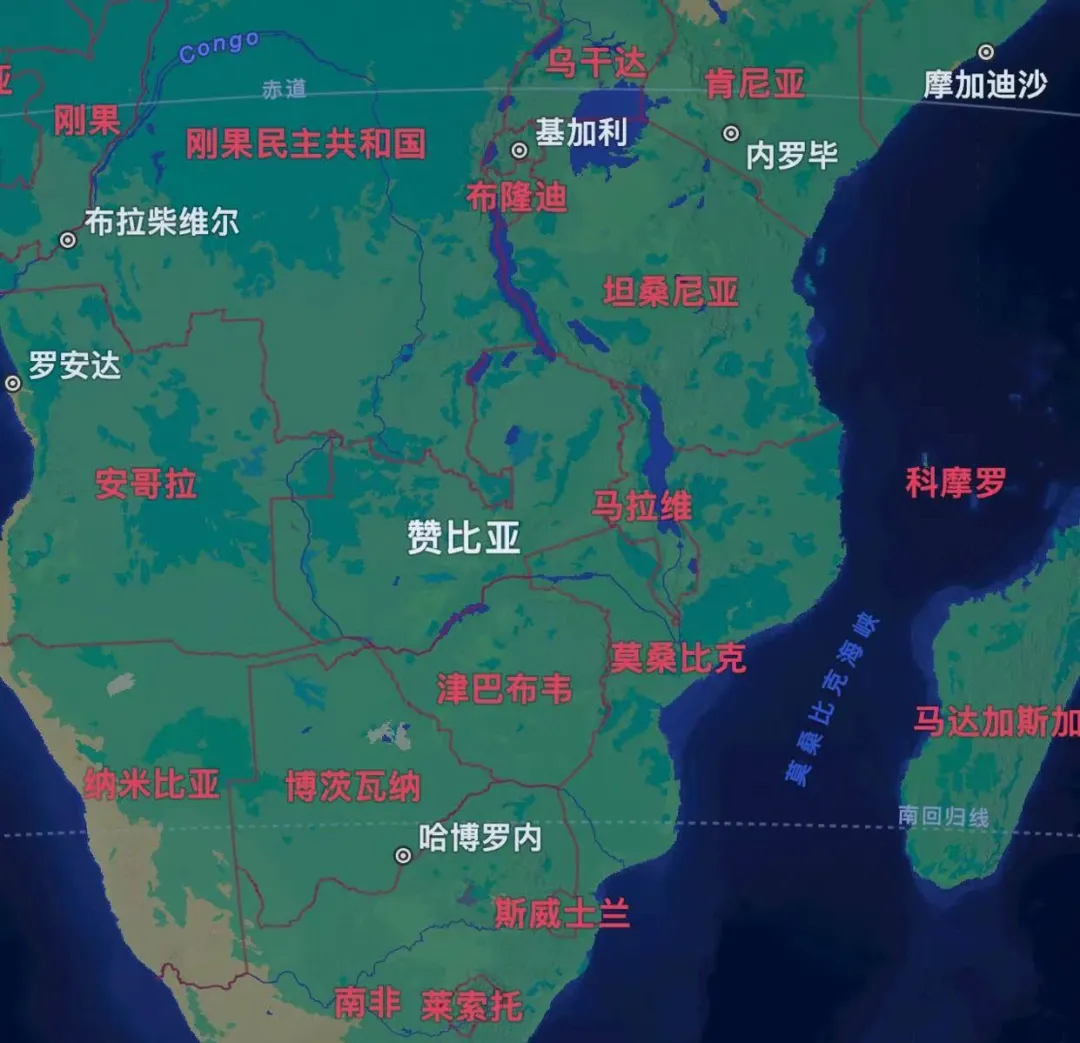
Coffee cultivation in Zambia is mainly concentrated in six provinces: Muchinga, Northern, Luapula, Copperbelt, Lusaka, and North-Western. These areas generally operate on large estate models, and almost all planted varieties are Arabica, with Catimor series and SL28 being the main cultivated varieties. These coffee trees are typically harvested between October and March of the following year, which is also the critical period for coffee fruit ripening and flavor development.
Among the many producing regions, the Northern Province, geographically close to Tanzania, was an early division from the Muchinga Province and was officially established in 2011. The province is located on the Katanga Plateau, with coffee cultivation altitudes ranging from 1,000 to 1,500 meters, and is home to several rivers that provide a stable water supply, making it a highly suitable environment for coffee growth.
The Lusaka Province is located in southern Zambia and is also the capital of the country, bordering Zimbabwe. With an average elevation of about 1,279 meters, it is not only an important hub for industry, commerce, and transportation but also a major center for agricultural product distribution. Coffee is grown at altitudes of approximately 1,200 to 1,500 meters, and the stable climate conditions help enhance coffee quality.
The Copperbelt Province is situated in north-central Zambia, located in the eastern part of the Katanga Plateau in central Africa, with most areas having elevations above 1,000 meters. The province is known for its abundant copper ore resources and is also traversed by the Kafue River and its tributaries, providing a solid foundation for agricultural irrigation. The coffee cultivation altitudes in this region are similar to other major producing areas, also ranging between 1,000 and 1,500 meters, with both climate and soil conditions favorable for the growth of Arabica coffee.
Overall, although Zambia’s coffee industry started relatively late, it is gradually making its mark in the global specialty coffee market thanks to its unique geographical and climatic advantages. Understanding these main producing regions and variety characteristics not only helps consumers choose coffee beans with regional flavors but also assists traders and roasters in grasping the optimal timing for purchasing and roasting, further unlocking the potential of this emerging African coffee nation.
The above content is compiled by CoffeeHunters, a coffee news website.


