







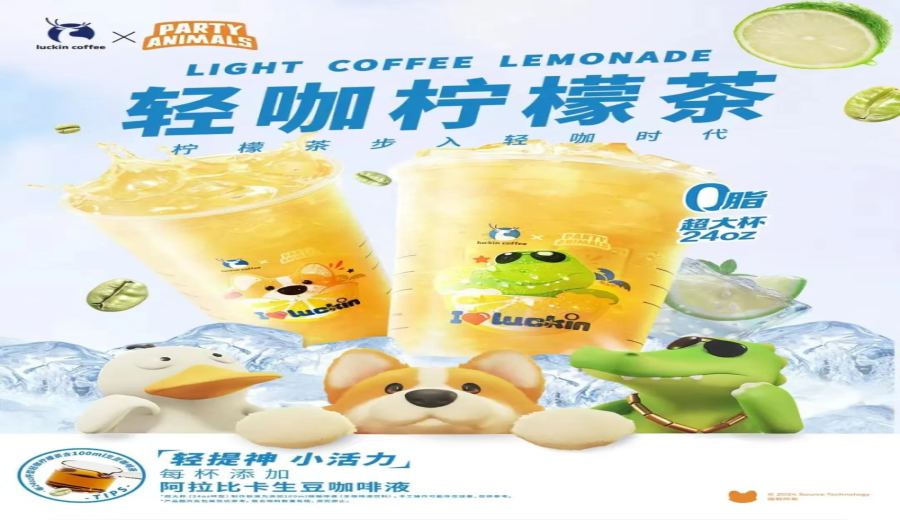
Introduction:This summer, Luckin Coffee made a bold crossover move into the iced tea market with its "Light Coffee Lemon Tea," teaming up with a popular game to launch a 24oz mega-sized drink featuring Guangdong's fragrant perfume lemon and a low-caffeine formula. But behind the product’s strong sales, customers have frequently reported issues with incorrect tea base preparation (single-origin oolong vs. jasmine), with noticeable color differences between brownish-yellow and light green versions raising concerns. This article breaks down the characteristics of the two tea bases, explores common quality control issues, and offers tips on identification and how to communicate for resolution—helping you avoid pitfalls and enjoy the intended flavor.
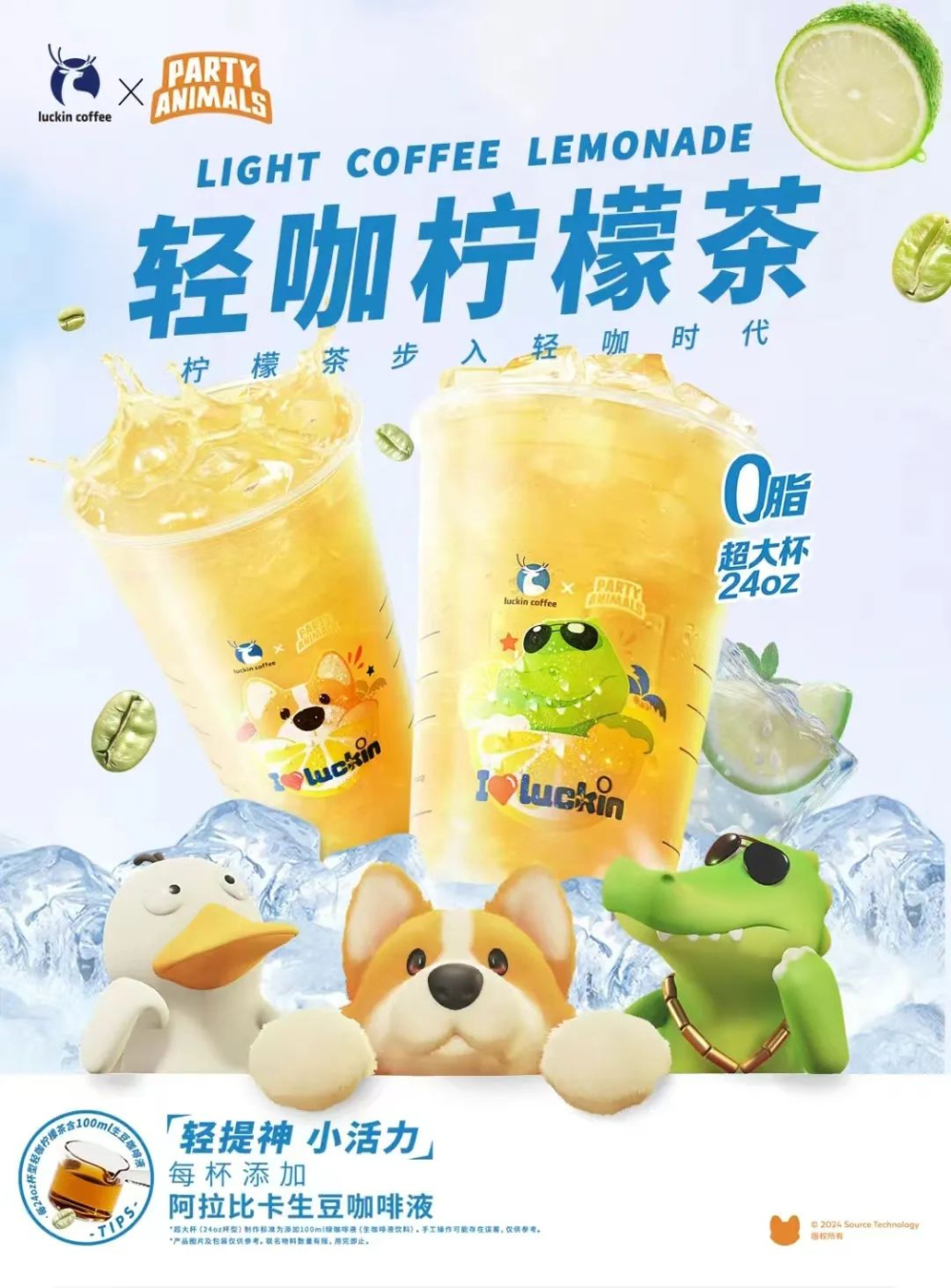
In June this year, Luckin Coffee officially entered the lemon tea category through a crossover collaboration, teaming up with the domestic game "Beast Party" to launch the "Light Coffee Lemon Tea" series, which went on sale nationwide in all stores. This new summer iced drink highlights three key features: a larger 24oz size, freshly squeezed juice from Guangdong’s signature perfume lemons, a low-caffeine "light coffee" base, and a choice between two tea bases—single-origin oolong and jasmine tea—with single-origin oolong being the default option due to its richer tea flavor.
According to the official recipe information released, the product structure is relatively simple: perfume lemon juice is mixed with brewed coffee extracted from raw beans, then combined with the selected tea base based on the order. The key difference lies in the choice of tea base: single-origin oolong tea has a robust flavor and is pre-selected on the mini-program ordering page; jasmine tea, on the other hand, offers a refreshing taste and requires customers to actively switch the option. Because the two types of tea produce noticeably different colors when brewed—single-origin oolong results in a deep brownish-yellow drink, while the jasmine tea version tends toward light green—even without checking the order details, one can quickly tell whether it was made correctly just by looking at the color.
As the product gained popularity, numerous customer complaints flooded social media platforms, mostly centered around the issue of "wrong tea base." Common grievances included: clearly selecting jasmine tea but receiving the brownish-yellow single-origin oolong version, color discrepancies between two cups ordered at the same time, and even customers reporting that the taste did not match expectations. Typical comments included “I ordered jasmine tea but got single-origin,” “Two cups looked completely different—one green, one brown,” and “Luckin really needs to work on quality control this time,” showing that this is not an isolated issue.
In response to the quality control controversy, an internal employee explained on a discussion forum that common issues include: if the color of the final drink obviously contradicts the ordered tea base (for example, ordering jasmine tea but getting a dark-colored drink), it’s likely that the tea bag or tea powder was mixed up during preparation. Customers who notice any abnormalities are advised to first bring it up with the staff rather than leaving a negative review right away, and they can request a remake or a refund on the spot.It’s also worth noting that single-origin oolong tea powder has relatively coarse particles and is prone to settling. If the last remaining bits in the tea container are used for brewing, it may result in a darker extraction color. Similarly, if the amount of fruit pulp in the lemon juice is not added according to the standard ratio, it can also affect the uniformity of the final drink color.—This is also one of the reasons why some drinks of the same type show slight color variations.
Observations from community discussions show that color confusion most often occurs between single-origin oolong and jasmine tea, as the visual differences between the two are quite obvious and easy for customers to notice. Experienced users advise that when placing an order, you can proactively confirm with the staff whether the tea base has been adjusted as per your request, and when picking up your drink, check first whether the color matches your expectation (single-origin should be deep brownish-yellow, jasmine tea should be light green). If there’s a clear discrepancy, it’s recommended to raise the issue for resolution immediately. Image source: Screenshot from Xiaohongshu.
The above content is compiled by CoffeeHunters, a coffee news website.


