








Introduction:Have you ever noticed that the crema on your espresso looks thick and rich, but feels hard like solidified butter, lacking the smooth, fluid texture it should have? This not only affects the taste but can also make latte art more difficult. This article delves into the common reasons behind hardened espresso crema, including leaving it sitting for too long after extraction or choosing the wrong coffee beans and grind size, and provides practical solutions to help you master the optimal timing for use and brew smooth, delicious milk-based coffee.
Many coffee enthusiasts report that when making milk coffee, although the crema on the surface of the espresso appears thick and intense, it feels hard—like over-whipped cream—completely lacking the desired fluidity. This not only significantly detracts from the overall flavor of the drink but also poses a considerable challenge to the latte art process. What exactly causes the crema of an espresso to become so stiff? In fact, this is often closely related to the timing after extraction, the quality of the coffee beans, and the details of the grind. Below, we’ll break down these common issues one by one and offer improvement suggestions to help you fully realize the potential of your espresso.
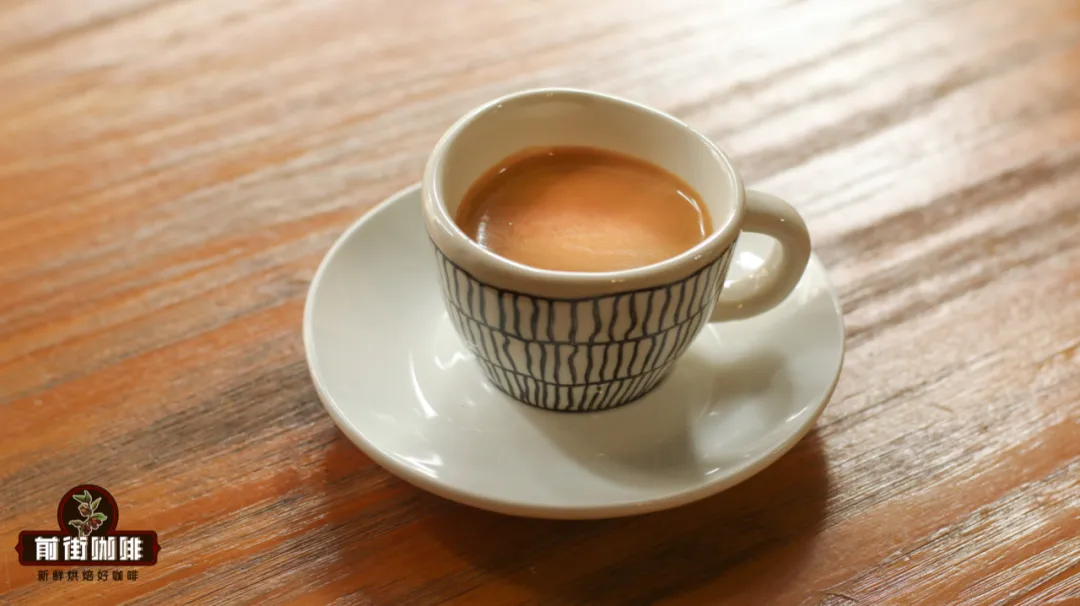
From real-world experience, one of the most common problems is timing. When you’ve just finished extracting your espresso, that golden layer of crema clings tightly to the coffee liquid. At this stage, if you gently shake the cup, you’ll see the crema blend seamlessly with the coffee, flowing naturally and smoothly. Espresso at this point—whether enjoyed straight or used in milk drinks like lattes or cappuccinos—will deliver the best flavor and texture.
However, if you don’t use the espresso right away after extraction and instead set it aside to attend to other tasks, things can quickly change. Over time, the crema will not only gradually separate from the coffee liquid but also slowly lose its elasticity and fluidity. If you shake the cup again at this point, you may notice that while the coffee liquid is still mobile, the crema on top remains almost completely still, creating a clear contrast.
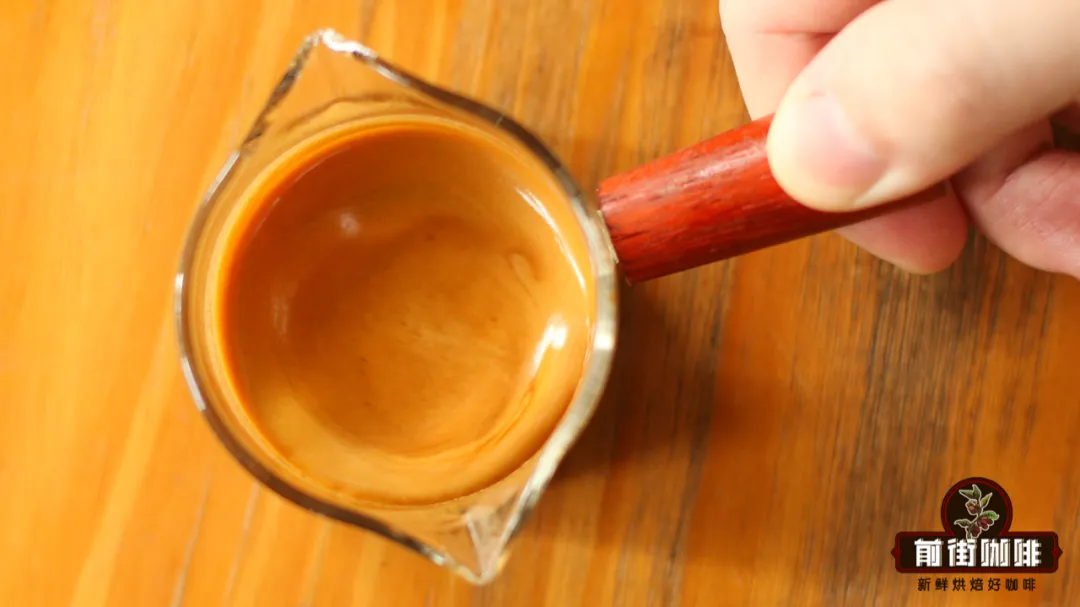
This separation between crema and liquid poses a significant challenge when adding hot milk. Since the crema has become too hard, delicate milk foam struggles to push it aside or integrate with it, making it difficult to form latte art patterns and even affecting the overall taste and appearance of the drink. Therefore, it’s recommended that you use the espresso as soon as possible after extraction. If you’re unavoidably delayed and the crema starts to harden, try gently stirring it with a spoon to help recombine the crema with the coffee liquid, thereby restoring some of its fluidity and smoothness.
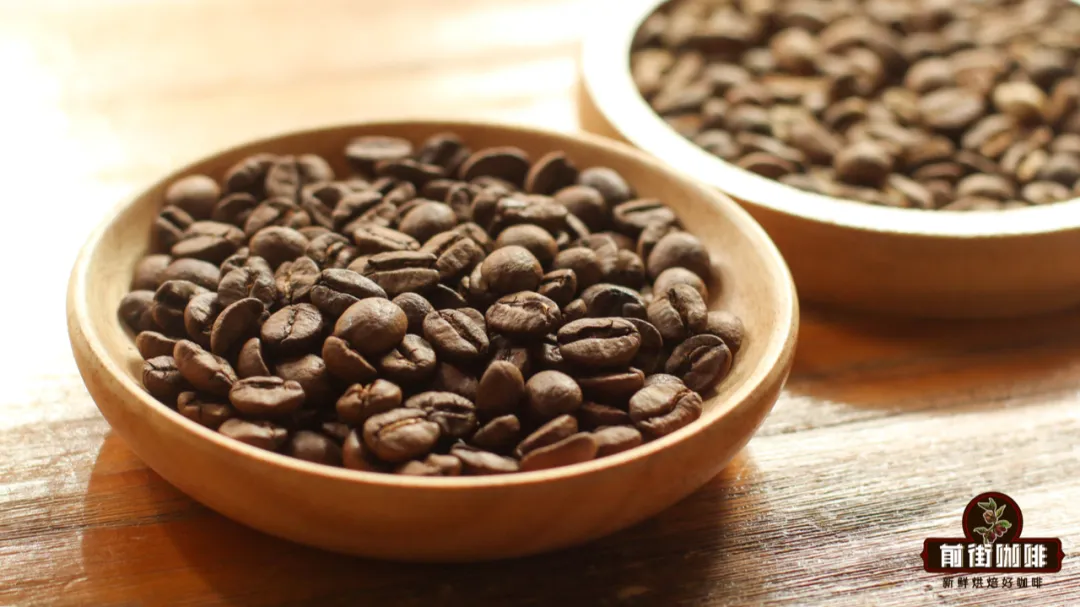
In addition to timing, the coffee materials used also play a crucial role in the texture of the crema. First and foremost, the freshness of the coffee beans is vital. Expired or poorly stored beans release less carbon dioxide, which directly impacts the formation and stability of the crema. Moreover, grind size is another key factor. If the grind is too coarse, water flows through too quickly during extraction, failing to adequately extract enough oils and aroma; conversely, if the grind is too fine, it can lead to over-extraction, resulting in a rough and uneven crema layer.

Another common mistake is uneven or excessive tamping pressure. Too much pressure compresses the coffee puck, restricting water flow and thus affecting the release and distribution of the crema. The ideal tamping pressure is generally recommended to be between 15 to 20 kilograms, and it’s important to ensure the puck surface is level—this helps create a uniform and fine crema layer.
Additionally, extraction parameters should not be overlooked. Too short an extraction time may result in insufficient crema that is loose in texture; too long can lead to over-extraction, making the crema sticky and uneven. The generally recommended espresso extraction time is 25 to 30 seconds, with an extraction yield of about 25 to 30 milliliters. This range helps achieve the best crema performance.
In summary, to prevent espresso crema from becoming clumpy and hard, you need to address multiple aspects: mastering the correct extraction and usage timing, selecting fresh and suitable coffee beans, adjusting the grind size and tamping pressure appropriately, and precisely controlling extraction parameters. By optimizing these details, you can not only restore a smooth, fluid texture to the crema but also significantly enhance the overall flavor profile of your milk coffee, ensuring every cup reaches its ideal state.

The above content is compiled by CoffeeHunters, a coffee news website.


