







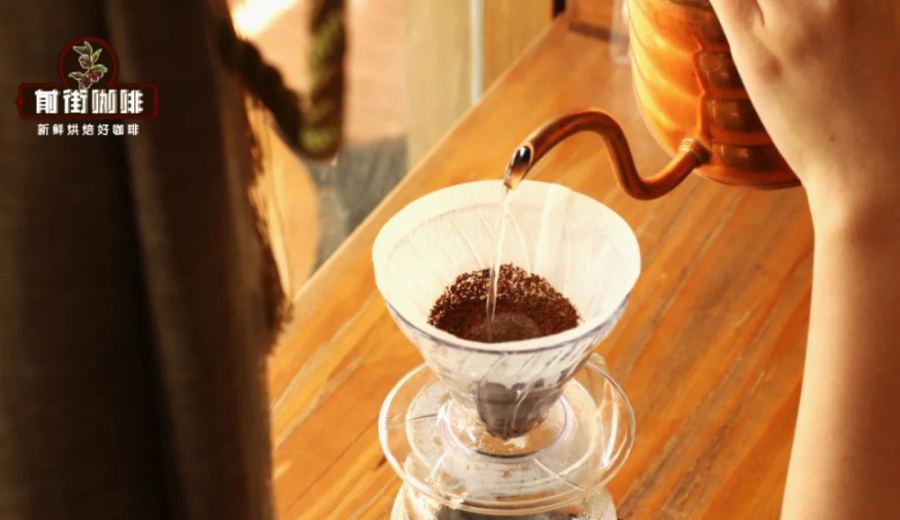
Introduction:Want to recreate café-grade iced pour over coffee at home? This article delves into the core parameters and operational details of iced pour over, covering everything from coffee-to-water ratio and ice quantity to grind size adjustments. It provides a universal formula perfect for beginners and introduces Mr. Tetsu Kasuya’s simplified “one-pour iced pour over” method. Whether you’re aiming for precision extraction or ease of use, you’ll find practical guidance here, along with tips on how to adjust for bright acidity or rich, sweet aftertaste in different flavor profiles.
On a hot summer day, a refreshing glass of iced pour over coffee can deliver an exceptional taste experience. However, many coffee enthusiasts often feel puzzled when trying to make it at home: How much coffee powder should be used? What’s the right ratio of hot water to ice? What’s the ideal water temperature? Are there any tricks to the pouring technique? Drawing from real shop experience, we’ve compiled a simple, easy-to-understand, and practical iced pour over formula to help you master this technique with ease.
Common questions include: How many grams of coffee powder are needed for one cup of iced pour over? How should the ratio of ice to hot water be balanced? Is it necessary to add ice first? These are frequently asked by customers in-store. Many people closely observe the barista’s pouring technique, changes in the coffee bed, and even quietly ask for specific numerical values, hoping to replicate the same flavor at home.
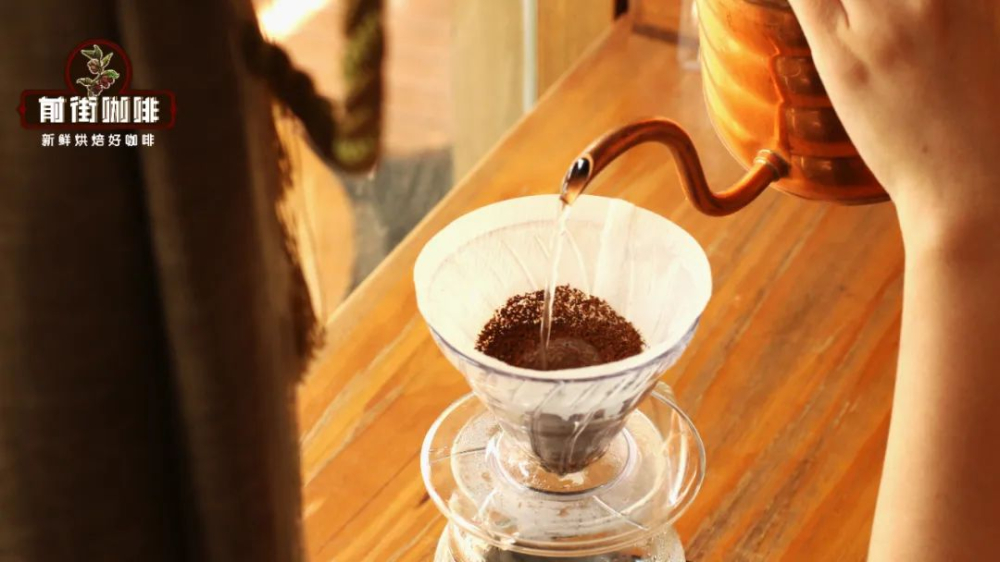
In fact, even when using the same coffee beans, it’s not necessary to replicate every single parameter. The key is to grasp a simple yet effective general principle: the basic composition of iced pour over is “coffee powder (recommended fine grind) + 10 times the amount of hot water + 5 times the amount of ice.” This formula helps maintain an appropriate extraction rate and concentration, allowing you to achieve a taste close to that of a professional café, even at home.
Through multiple tests, when the coffee powder to hot water ratio is 1:10, combined with ice at 5 times the coffee amount, the coffee can still deliver good flavor performance after cooling and dilution. For example, if using 15 grams of coffee powder, it’s recommended to add 150 grams of hot water and 75 grams of ice; for a two-person serving, using 20 grams of powder as the base, the corresponding amounts would be 200 grams of hot water and 100 grams of ice. However, it’s important to note that since the amount of hot water is reduced, the overall extraction time will also shorten—typically from around two minutes down to about one minute and twenty seconds. This may result in some flavor compounds not being fully released, leading to under-extraction.
To compensate for the shortened extraction time due to less hot water, it’s recommended to slightly adjust the grind size finer to extend the contact time between water and coffee grounds, thereby improving overall extraction efficiency. The adjustment doesn’t need to be drastic—generally, a minor tweak from your usual grind setting for hot pour over is sufficient. For instance, if you’re using an EK43s grinder and usually set it to 10 for hot pour over, you can adjust it to 9 to 9.5 for iced pour over; if you’re using a C40 hand grinder, and your hot pour over setting is 24, then for iced pour over you can set it to 22. This ensures more complete release of flavor compounds and avoids a thin or unbalanced taste.

Taking a medium-light roasted Tanzanian Kilimanjaro coffee bean as an example, the recommended parameters are as follows: 15 grams of coffee powder, 150 grams of hot water (10x), 75 grams of ice (5x), water temperature controlled at 93°C, using an EK43s grinder with a suggested setting of 9 (approximately 85% passing through a #20 sieve), paired with a Hario V60 filter. For the brewing process, a three-stage pouring method is recommended. First, place the ice in the server (adding ice first or later has minimal impact on final flavor), then add the coffee powder. The first step is to pour 30 grams of water using a fine stream in small circles from the center out, allowing a 30-second bloom. The second step is to pour another 60 grams of water using the same fine stream. Finally, when the water in the filter is nearly drained, pour the remaining 60 grams of hot water all at once. The total extraction time is recommended to be controlled between 1 minute and 50 seconds to 2 minutes.
After brewing, gently shake the server to help accelerate ice melting and evenly cool the coffee liquid, then you can pour and enjoy. This iced pour over coffee typically presents a refreshing mouthfeel, with bright acidity and layers of green grape, berry, and nut notes, accompanied by subtle floral aromas—perfect for those who prefer a clean and vibrant flavor.
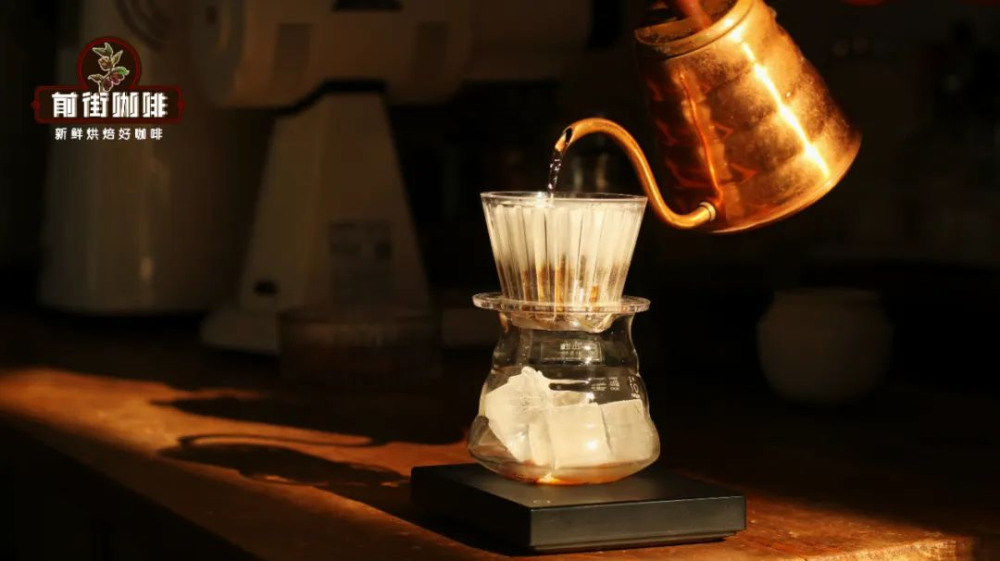
If you’d like to simplify the steps, you might want to try Mr. Tetsu Kasuya’s “one-pour iced pour over” technique. This method is more straightforward, with significantly fewer steps, making it ideal for coffee lovers who value efficiency and convenience. First, choose a filter with a slower flow rate, such as a Kalita Wave, Kono filter, Infinity filter, or flat-bottom filter—this example uses the Mugen Infinity Cross Star filter. Prepare an appropriate amount of ice and a stirring tool. It’s recommended to use 20 grams of coffee powder, with a total water volume of 150 grams, and to pre-place 80 grams of ice in the server.
The coffee beans used in this example are Panamanian Abuela Estate Natural Catuai. The recommended parameters are: 20 grams of coffee powder, total water volume of 150 grams, 80 grams of ice, water temperature at 93°C, using the Mugen Infinity Cross Star filter, with a grind size recommendation of EK-43s setting 7 (approximately 18–19 on a C40 grinder). The operation is extremely simple: pour all the coffee powder into the filter, then directly pour 150 grams of hot water quickly using a large stream, with a pouring time of about 10 seconds. Next, use a small spoon to gently stir in small circles along the inner wall of the filter in one direction for about 10 rotations, then let the coffee liquid slowly drip through. The total extraction time is approximately 1 minute and 43 seconds.
After extraction, remove the filter, gently shake the server until the ice is completely melted and evenly mixed with the coffee liquid, then pour into a glass with ice to enjoy. If you find the concentration a bit strong, you can adjust to your taste by adding 1–2 extra ice cubes. This method yields an iced pour over that typically has a round and soft mouthfeel, with less pronounced acidity, a long-lasting aftertaste, and rich aromas of cinnamon, liqueur chocolate, peach, and Darjeeling black tea—ideal for those who enjoy a fuller-bodied flavor.
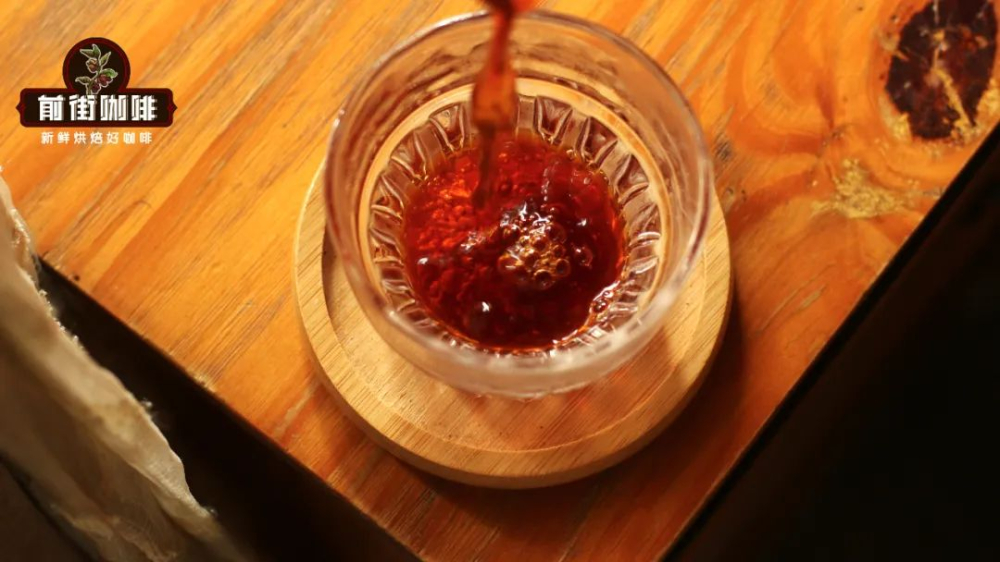
Whether you prefer fine-tuned adjustments or simple operation, iced pour over coffee offers unique charm. By mastering the coffee-to-water ratio, ice quantity, grind size, and appropriate pouring or stirring techniques, you too can easily brew café-quality iced pour over at home and enjoy your own summer coffee moments.
The above content is compiled by CoffeeHunters, a coffee news website.


