







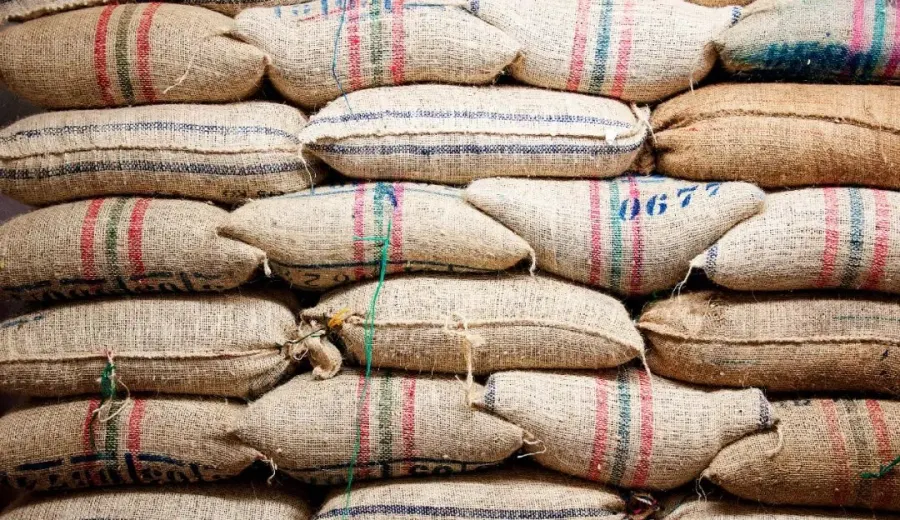
Introduction:The Brazilian government has recently adjusted its PIS-Cofins tax credit policy in an effort to close tax loopholes and improve the fiscal deficit. However, this move has put major agricultural exporters — including coffee — under pressure with sharply reduced revenues. The new regulations could drive up global coffee prices, and both enthusiasts and industry players should closely monitor future developments. This article provides an in-depth analysis of the policy background, industry impacts, and market trends.
The Brazilian government recently submitted an executive order to Congress aimed at tightening the use of federal PIS-Cofins tax credits. The primary goal is to plug long-standing tax loopholes across various sectors and help the government achieve a balanced budget this year. However, this policy shift has sparked strong dissatisfaction within the agriculture and export-related industries, especially among exporters of major commodities such as coffee, meat, grains, and fruits.
According to Brazil’s Ministry of Finance, the current tax credit mechanism contains “systemic distortions” that must be corrected. If the new rules are implemented, they are expected to generate up to 30 billion Brazilian reais (approximately 5.66 billion USD) in additional tax revenue for the treasury. Nevertheless, the agricultural export sector estimates that many industries, including coffee, will suffer losses of about 26.3 billion reais (around 4.91 billion USD), posing a direct threat to operational cash flow.
The Brazilian Coffee Exporters Council (Cecafé) has publicly stated that the new tax policy will severely impact the cash flow and overall operational costs of exporting companies. Businesses may be forced to seek more expensive bank credit, thereby increasing production and export expenses. This could not only lead to rising domestic food prices and fluctuations in the job market but also weaken Brazil’s international market competitiveness as the world’s largest coffee exporter.
Currently, the new tax rules have taken immediate effect, but they require final congressional approval within four months to continue. Given the significant interests at stake, multiple exporter associations — including those for soybeans, coffee, and cotton — have formed a lobbying group in an attempt to block the policy. The industry is generally concerned that export disruptions or delays could prompt international buyers to turn to alternative sources, further exacerbating supply-demand imbalances in the market.
Notably, Vietnam has recently experienced reduced coffee crop yields due to persistent drought and other adverse weather conditions, which have already led to noticeable increases in the futures prices of both Robusta and Arabica coffee. If Brazil further slows its export pace due to policy adjustments, the global coffee market supply will become even tighter, and upward price pressures cannot be overlooked.
However, there is also some positive news emerging from the market. Brazil’s Vice President and Minister of Development, Industry, Trade, and Services, Geraldo Alckmin, recently visited China and signed a memorandum of understanding with the well-known coffee chain Luckin Coffee. According to the agreement, Luckin plans to import approximately 120,000 tons of coffee beans from Brazil over the next two years, which is expected to inject a stable source of demand for Brazilian coffee exports and alleviate some of the industry’s pressures.
For global coffee enthusiasts, this wave of policy and market changes will directly affect the future stability of coffee bean supply and price trends. It is recommended that consumers and industry players continue to monitor the progress of Brazil’s tax system adjustments, as well as climate and yield developments in key producing regions, in order to adapt to potential market fluctuations.
The above content is compiled by CoffeeHunters, a coffee news website.


