







Introduction:The flavor profile of pour over coffee is inseparable from the pouring technique, and pulse pouring is a key skill that affects extraction uniformity. This article delves into the operational essentials, timing control, and flavor variations of the three-pour method, and compares the impact of different numbers of pours on extraction efficiency through experiments. Whether you're a beginner or an advanced coffee enthusiast, you can master practical methods for stable extraction here.
In the world of pour over coffee, the pouring technique is one of the key factors that determine the final flavor. Among them, pulse pouring is a core technique most coffee lovers will encounter. Have you ever wondered whether you should pour all the water in one go after blooming, or pause appropriately midway? How many pours are most reasonable? And how do different pouring methods affect the aroma, mouthfeel, and complexity of the coffee? Starting from practical experience, this article systematically analyzes the definition and principles behind pulse pouring, and through experimental data, takes you deeper into the relationship between the number of pours and extraction efficiency, as well as flavor expression. It also provides operation tips that even beginners can easily follow.
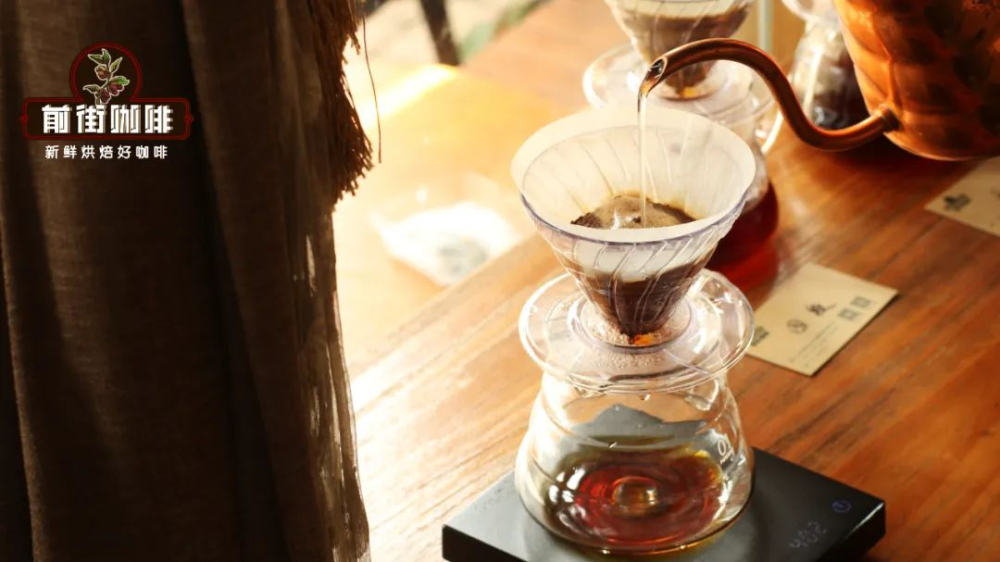
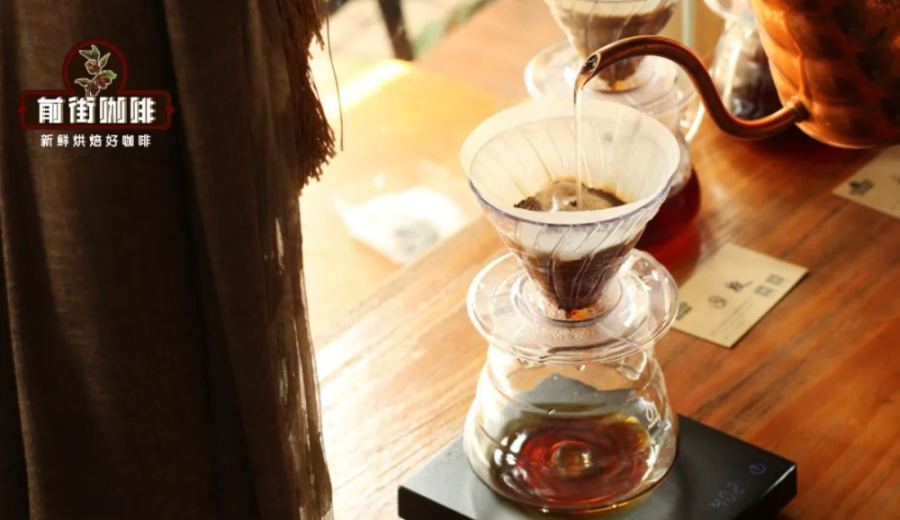
What is pulse pouring? Actually, the criterion is very simple: after blooming, if the remaining hot water is poured all at once without any pauses, this method is called “single pour.” Conversely, if the water is divided into two or more pours with clear pauses in between, it falls under pulse pouring. Among these, the “three-pour method,” where the main extraction phase is divided into two to three pours, is the most common. It’s not only easy to control but also the preferred choice for many professional baristas and beginners.
Why use pulse pouring? For those who are still not fully skilled in controlling the water flow, observing extraction time is an important reference. Generally speaking, too short an extraction time may indicate the water is poured too quickly, resulting in under-extraction; too long may mean the water flow is too slow, which can lead to over-extraction. If using the single pour method, no matter the speed, you can only wait for the result, with no room for adjustment. Pulse pouring, however, allows you to observe changes in water level during each pause and adjust the subsequent pouring method and speed accordingly.
For example, when using the three-pour method to brew Panamanian Geisha, if the coffee has completely dripped through in less than a minute after the second pour, then the third pour can be done with a finer stream, slowly adding the remaining water to adjust the total extraction time to about two minutes. On the other hand, if the second pour is too slow, you can moderately increase the water flow to avoid excessive soaking of the coffee grounds, which could lead to increased bitterness.
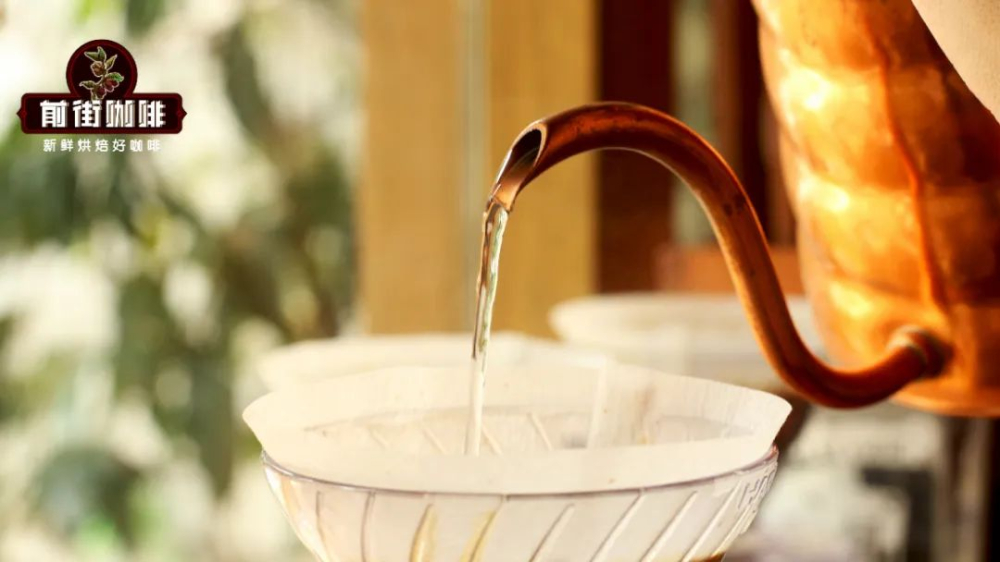
From the perspective of extraction mechanics, pour over is a dripping process where a water stream continuously agitates and rinses the coffee grounds. Pouring techniques, including flow rate control, pause timing, and swirling path, all affect the release of flavor compounds in the coffee. Increasing the number of pours means extending the contact time between water and coffee grounds, while also increasing the frequency of even agitation of the coffee bed, which helps improve overall extraction efficiency.
Experimental data shows that when using the single pour method, due to the lack of mid-process pauses, the overall extraction time is shorter, and the coffee flavor tends to be bright and clean, but the complexity is relatively limited. In contrast, the three-pour method with one pause—adding just about ten seconds to the extraction time—results in a noticeable improvement in body and complexity due to the segmented rinsing effect.
So, what is the maximum number of pours for pulse pouring? To explore the impact of different numbers of pours on flavor, an experiment used Geisha Village Red Label Geisha as the sample, with fixed parameters: 15g coffee, EK43s grind size 10, 93°C water temperature, 1:15 coffee-to-water ratio, and 30g water bloomed for 30 seconds. Three, four, and five-pour methods were used for extraction, with flavor profiles and extraction times recorded.
The three-pour method used a ratio of 30g + 95g + 90g, with a total extraction time of 2:08. The flavor profile featured bright acidity of sweet orange and yellow lemon, with a shorter aftertaste. The four-pour method used 30g + 70g + 70g + 55g, totaling 2:19, presenting a complex aroma of peach, citrus, and black tea, with a smooth and sweet mouthfeel. The five-pour method used 30g + 55g + 55g + 55g + 30g, with a total extraction time of 2:22. The flavor was the most layered, featuring strawberry jam, jackfruit, and subtle floral notes, with prominent sweetness and a long-lasting aftertaste.
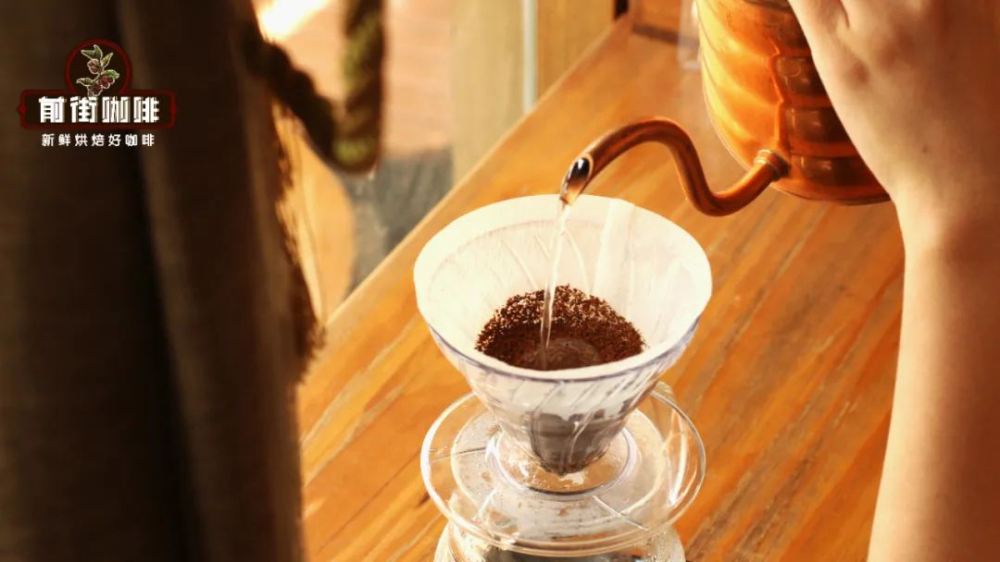
The experimental results show that as the number of pours increases, the amount of water per pour decreases, and the ability to lift the coffee bed also weakens. Meanwhile, more pours require more precise control of the timing and water level at each stage. If the water level in later stages does not reach the height of previous pours, the top coffee particles will struggle to participate in extraction. Conversely, if the water level is too high and overflows the coffee bed, hot water may escape through the filter’s ribs, leading to uneven extraction.
In summary, although more pours can enhance the richness and complexity of flavors, in daily brewing, two or three pours remain more practical and stable choices. This not only makes it easier to control the overall extraction time but also allows flexible adjustments based on the characteristics of different coffee beans. Additionally, using more pours assumes the coffee beans themselves have rich flavor layers and good extraction tolerance. Otherwise, too much hot water impact may bring out unnecessary off-flavors or bitterness.
The above content is compiled by CoffeeHunters, a coffee news website.


