








Introduction:Mocha coffee combines rich chocolate flavors with the smoothness of milk-based coffee, making it a classic favorite among many coffee enthusiasts. However, when making it at home, it’s common to encounter issues such as insufficient chocolate flavor or excessive sweetness. This guide will detail the preparation methods for both hot and iced mochas, including key steps like base ratios, blending techniques, milk temperature, and an analysis of the differences between mocha and latte. Whether you’re a beginner or an advanced coffee lover, this comprehensive guide will help you easily create a well-balanced, layered homemade mocha with the perfect harmony of sweetness and bitterness.
Many people attempting to make mocha coffee at home often find that the chocolate flavor is not prominent enough or the drink turns out overly sweet, making it difficult to achieve the desired balance. In reality, mocha is essentially a milk-based espresso beverage infused with chocolate elements. Most commercial chocolate sauces are high in sugar, which can mask the true flavor of chocolate. After multiple experiments, we found that combining chocolate sauce with unsweetened cocoa powder not only enhances the richness of the chocolate but also avoids adding unnecessary extra sweetness. This article will guide you step-by-step through the secrets of making both hot and iced mochas, including base proportions, milk frothing techniques, blending methods, as well as recommendations for adjusting chocolate quantities for iced mochas. We’ll also explain the difference between mocha and latte, discuss whether latte art is necessary for hot mocha, and help you craft a professional-grade mocha that is rich, smooth, and full of layered flavors.
When making mocha at home, many often feel that something just doesn’t taste right — either the chocolate flavor is too weak or the sweetness is overwhelming, making it unpleasant to drink. These issues commonly arise from recipes that use only commercial chocolate sauce, which often contains a lot of added sugar to balance bitterness, resulting in a final product that is overly sweet and lacks the depth of true chocolate flavor. If you’ve faced similar challenges, consider following the tested and effective mocha-making process below — from base preparation to the final presentation — to create a balanced, flavorful homemade mocha step by step.

The so-called mocha coffee generally refers to a milk-based espresso drink that incorporates chocolate elements, aiming to replicate the rich chocolate notes of traditional Yemeni Mocha coffee (for more information, please refer to related articles). Currently, most mochas on the market use chocolate sauce as the base, primarily because of its convenience — no additional melting process is required, and it can be used straight out of the bottle. However, this convenience often leads people to overlook the high sugar content inherent in the sauce, resulting in a mocha that is sweet but lacks aromatic depth. Therefore, if you want to make a truly delicious mocha, the key lies in skillfully combining different ingredients to enhance the layers of chocolate flavor while controlling the sweetness, resulting in a smoother and more nuanced overall taste.
To successfully create a satisfying mocha, the core objective is actually quite clear: the milk-based coffee must have enough intense chocolate flavor, while the sweetness should be controlled just right to balance the natural bitterness of the chocolate. Although chocolate sauce is still used as one of the base ingredients — because it blends naturally with coffee and milk, providing a smooth sweetness — it is recommended to additionally include unsweetened cocoa powder to enhance the intrinsic flavor of the chocolate. This powder not only intensifies the aroma and richness of the chocolate but also, due to the absence of added sugar, helps prevent the overall sweetness from becoming overpowering. Compared to melting dark chocolate yourself, using unsweetened cocoa powder is simpler and faster, and it's a practical technique commonly used in the industry. Now, let’s step into the actual preparation process for both hot and iced mochas.

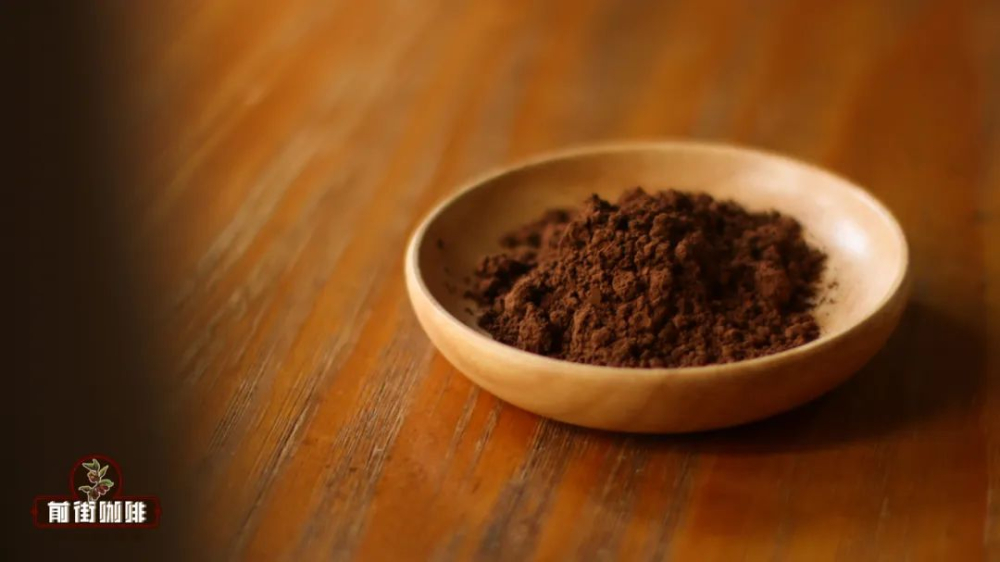
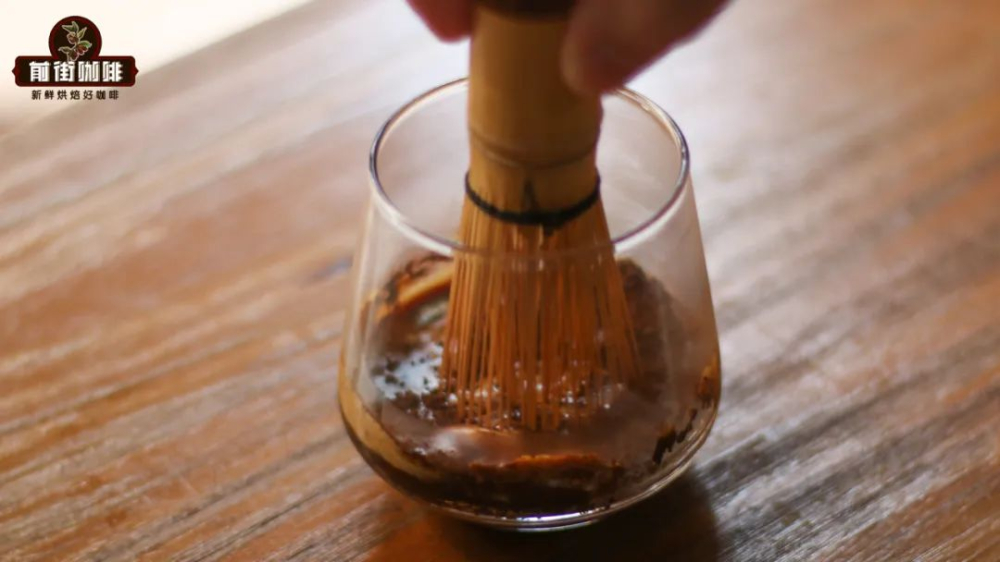
To make a hot mocha, you’ll need the following tools and materials: one coffee cup, a mixing cup or bowl (optional), a strainer (optional), one shot of espresso, one portion of milk, an appropriate amount of chocolate sauce, and unsweetened cocoa powder. First, let’s prepare the chocolate espresso base: in the mixing cup, add15ml of chocolate sauce (we recommend using the Da Vinci brand)and5g of unsweetened cocoa powder (we recommend the Valrhona brand). This ratio, tested in practice, delivers a result with moderate sweetness and a rich chocolate aroma. If you prefer a slightly sweeter taste, you can increase the chocolate sauce to 20ml. Next, pour the freshly extracted shot of espresso into the mixing cup. Use the heat from the coffee itself, along with gentle stirring, to fully mix and dissolve the chocolate sauce and cocoa powder evenly. The espresso extraction parameters used in this demonstration are19.8g of coffee grounds, yielding 38ml of liquid within 28 seconds.
After mixing, it is recommended to use a strainer to filter out any undissolved cocoa powder particles to ensure a smooth mouthfeel. This is also why preparing two containers (a mixing cup and a coffee cup) is suggested. If you choose not to filter, you can also mix directly in the coffee cup. Additionally, if you have a fine sieve, you can lightly sprinkle a small amount of cocoa powder on the surface of the chocolate espresso base. This adds an extra layer of aroma, though it’s not essential, it can enhance the overall flavor finesse.
Next comes the milk preparation: similar to making a hot latte, the milk for a hot mocha should also be frothed to a temperature of60~68°C(between a certain range — please insert correct temperature here if available), which helps bring out the natural sweetness of lactose while creating a velvety microfoam texture. The recommended ratio of milk to coffee is1:4(specific proportion needed — please insert if available), meaning50ml of chocolate base is paired with 200ml of milk. During the blending stage, since the base is relatively thick and has lower fluidity, if you plan to pour latte art, it’s advisable to use more milk initially to improve fluidity, making it easier to create clear patterns. It’s worth noting that due to its base characteristics, mocha can sometimes showcase more beautiful latte art than a latte.

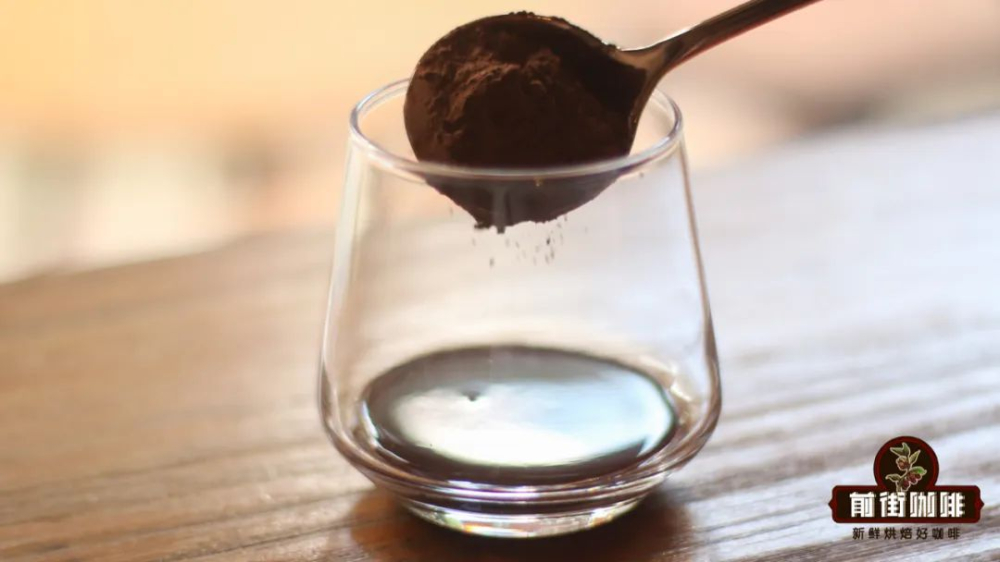
As for iced mocha, since ice cubes are added to lower the temperature, they dilute the overall flavor. Therefore, it’s necessary to adjust the amount of chocolate base to maintain a rich taste. It is recommended to increase the chocolate sauce to20mland the unsweetened cocoa powder to8gto compensate for flavor loss caused by melting ice. The preparation process is similar to that of a hot mocha: first create a rich chocolate coffee base, then sequentially add90g of ice cubesand160ml of milkinto the cup, and finally pour the chocolate base on top to complete the drink. For enhanced visual appeal, you can also coat the inside of the glass with a thin layer of chocolate sauce. Remember to stir well before drinking to ensure all elements are evenly mixed. If you’d like to further enrich the texture, consider adding whipped cream or a milk cap as a finishing touch.
The above content is compiled by CoffeeHunters, a coffee news website.


