







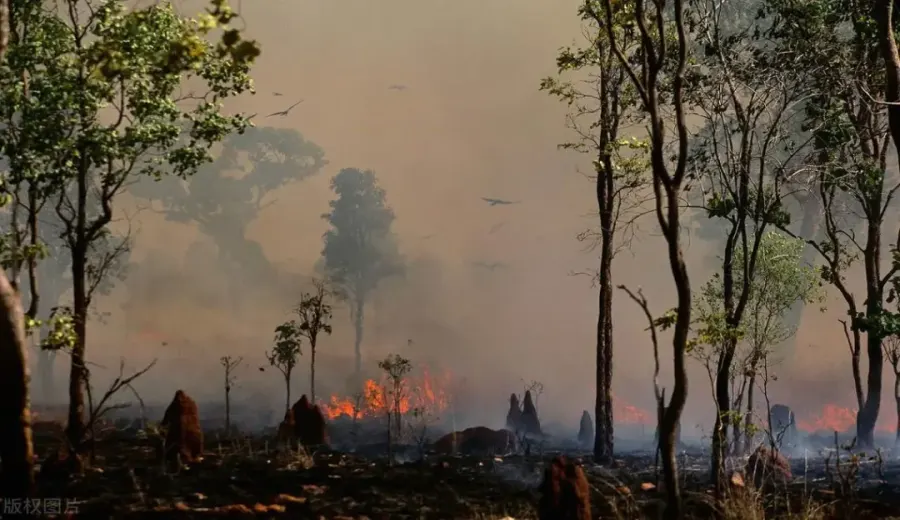
Introduction:The aftermath of the 2023 El Niño phenomenon is still unfolding, and La Niña may follow in the summer of 2024, presenting global major coffee-growing regions with the dual challenge of abnormal climate conditions. From droughts during the flowering season in Brazil to water shortages in Vietnam’s highland areas, and from floods to hurricane threats in Africa, these extreme weather events are directly impacting coffee yield and quality. This article delves into how climate change is affecting the global coffee supply chain and explores the potential price trends of coffee in the second half of 2024, helping coffee enthusiasts stay on top of market dynamics and bean selection strategies.
In 2023, the world remained under the influence of El Niño, and according to meteorological forecasts, La Niña may return in the summer of 2024, placing global coffee-producing regions in the crossfire of extreme climates. Major origins such as Brazil, Vietnam, Africa, and Central America all face risks of unstable yields due to abnormal weather, which further impacts international coffee supply and price volatility.
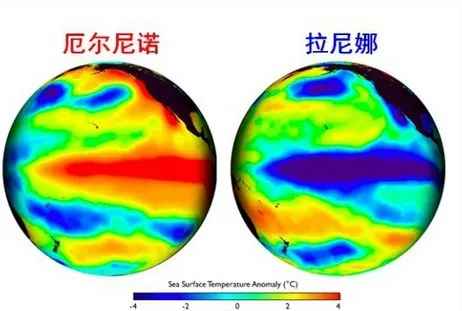
Experts point out that the entire year of 2023 was affected by El Niño, a climate pattern that typically leads to higher temperatures the following year and increases the frequency and intensity of extreme weather events. Predictions indicate that sea surface temperatures in the equatorial central and eastern Pacific will gradually decline over the next two months, with the El Niño phenomenon expected to end in May 2024, but it may transition to La Niña conditions during the summer (June to August) that follows.
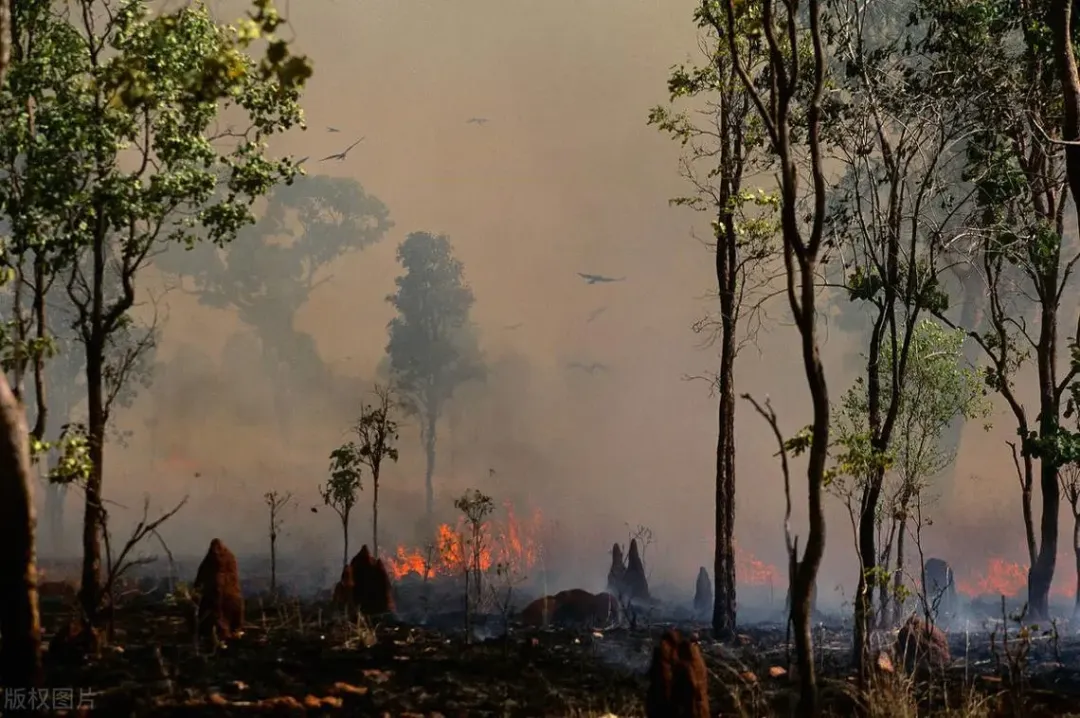
La Niña is characterized by persistently abnormally low sea surface temperatures in the eastern and central equatorial Pacific, which will significantly impact crop growth in many parts of the world, especially coffee cultivation. In Brazil, La Niña could trigger droughts around September—the period when Brazilian coffee trees typically flower. Water scarcity can lead to insufficient nutrient absorption by plants, making it difficult for them to fruit properly, potentially resulting in a significant drop in coffee yield for the season.
Vietnam’s situation is equally concerning. For the 2024/25 season, continued El Niño effects in the central highlands have led to noticeably lower rainfall, resulting in poor flowering performance in April, which is expected to adversely affect the yield of the next production season. If La Niña subsequently arrives, it may bring excessive rainfall, increasing the risk of floods and landslides in Southeast Asia and causing further damage to farmland and crops.
In Africa, La Niña may cause droughts in central regions while southern areas could face flood threats. These extreme weather conditions will directly affect coffee cultivation in multiple African countries, not only potentially reducing yields but also exacerbating food shortages in some regions.
Central America is not spared either, as La Niña may bring more frequent hurricane activity and localized flooding disasters. Beyond directly impacting coffee harvests, infrastructure damage could also disrupt transportation and logistics, further fueling market uncertainty.
Meanwhile, global demand for Robusta coffee is gradually rising, particularly in Europe and the United States, where traders and roasters are leaning toward more cost-effective blended beans, leading to a steady increase in Robusta demand. However, several major Robusta-producing countries have reported production declines, and amid tightening supply, Robusta coffee prices climbed toa 45-year highin early May.
Although coffee prices have recently pulled back somewhat, the industry generally believes that upward pressure on coffee prices will persist in the second half of 2024. Multiple factors—including heightened geopolitical risks, the rapid shift from El Niño to La Niña, and the slow pace of declining overseas inflation—could further drive coffee price volatility.
For everyday pour over coffee enthusiasts, in addition to keeping an eye on climate changes in producing regions, it’s also wise to pay attention to seasonal coffee offerings released by various brands and adjust brewing methods accordingly to adapt to changes in green bean prices and flavor profiles. Understanding the climate characteristics and harvest times of different regions can help select coffee beans better suited to current market conditions and strike a balance between flavor and budget.
The above content is compiled by CoffeeHunters, a coffee news website.


