Introduction:Once considered merely raw material for instant coffee, the Yunnan coffee-growing region has gradually carved out a place in the specialty coffee market. What exactly has changed the fate of Yunnan coffee? This article will take you through Yunnan’s geographical advantages, varietal evolution, and advancements in processing methods. Through real flavor profiles, it will also help you rediscover this noteworthy coffee origin.
A decade ago, when people mentioned “Yunnan coffee,” many would immediately think of the beans largely used for instant coffee. But today, walk into any quality-focused specialty café, and you’ll be pleasantly surprised to find Yunnan-grown beans appearing more and more frequently on the menu. What kind of transformation has Yunnan coffee undergone in these ten years? Does it truly possess the potential to be specialty-grade? Let’s explore this “comeback story” of Yunnan coffee together.
Yunnan boasts a uniquely advantageous geographical environment. It lies within the global coffee belt, with most planting areas situated in high-altitude mountainous regions between 1,000 and 2,000 meters above sea level. Coupled with significant day-night temperature variations, these conditions provide an excellent foundation for growing high-quality Arabica coffee. Major producing areas such as Baoshan, Pu’er, and Lincang each showcase distinct microclimatic characteristics. Although Yunnan coffee was once criticized for its subpar flavor in the early days, the issue mainly stemmed from varietal selection and post-harvest processing methods—not its innate geographical conditions.
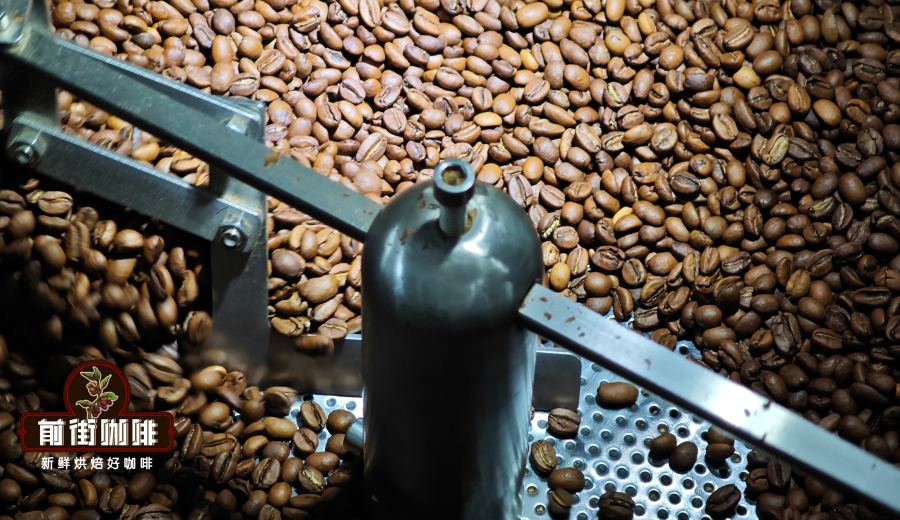
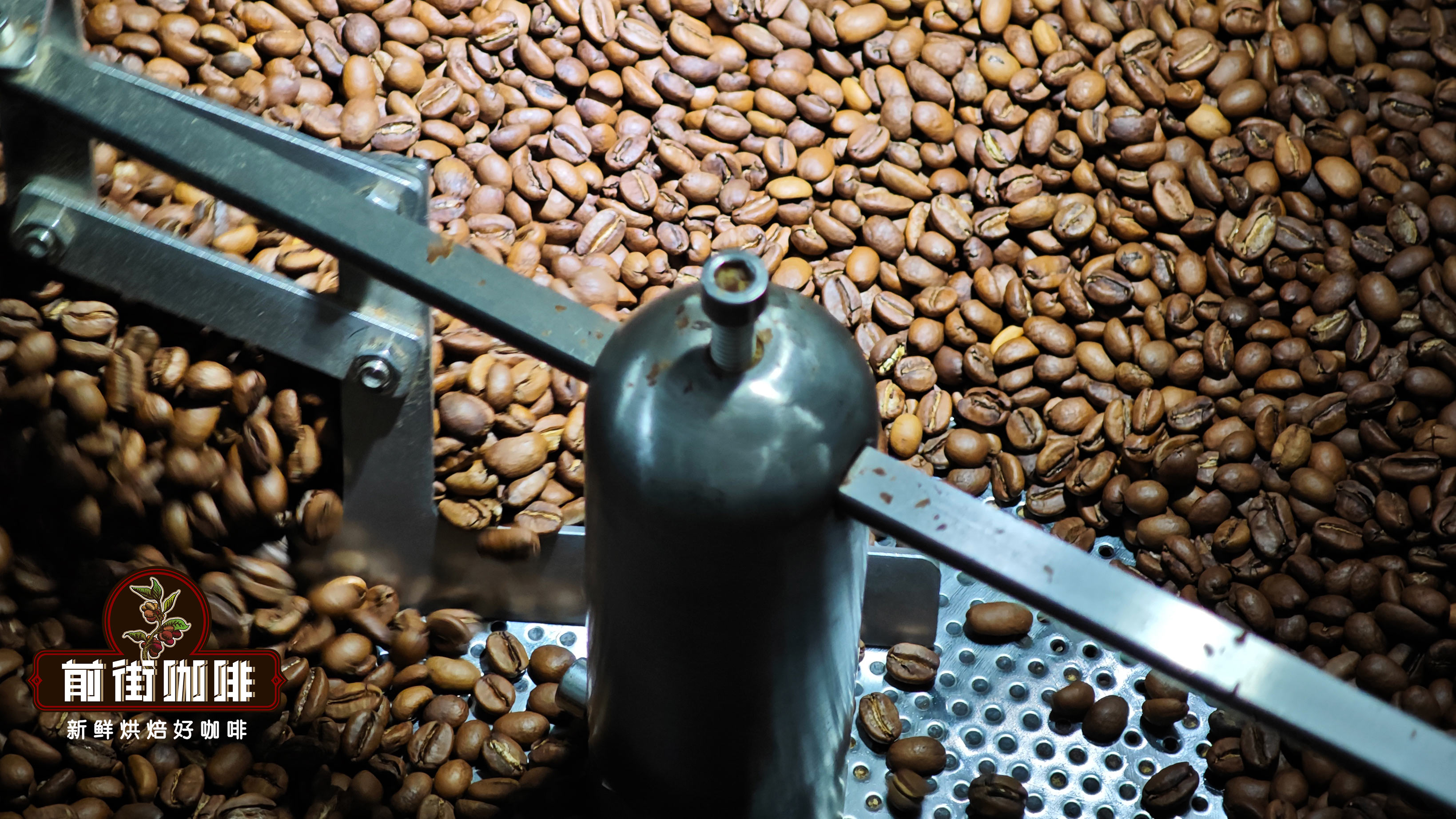
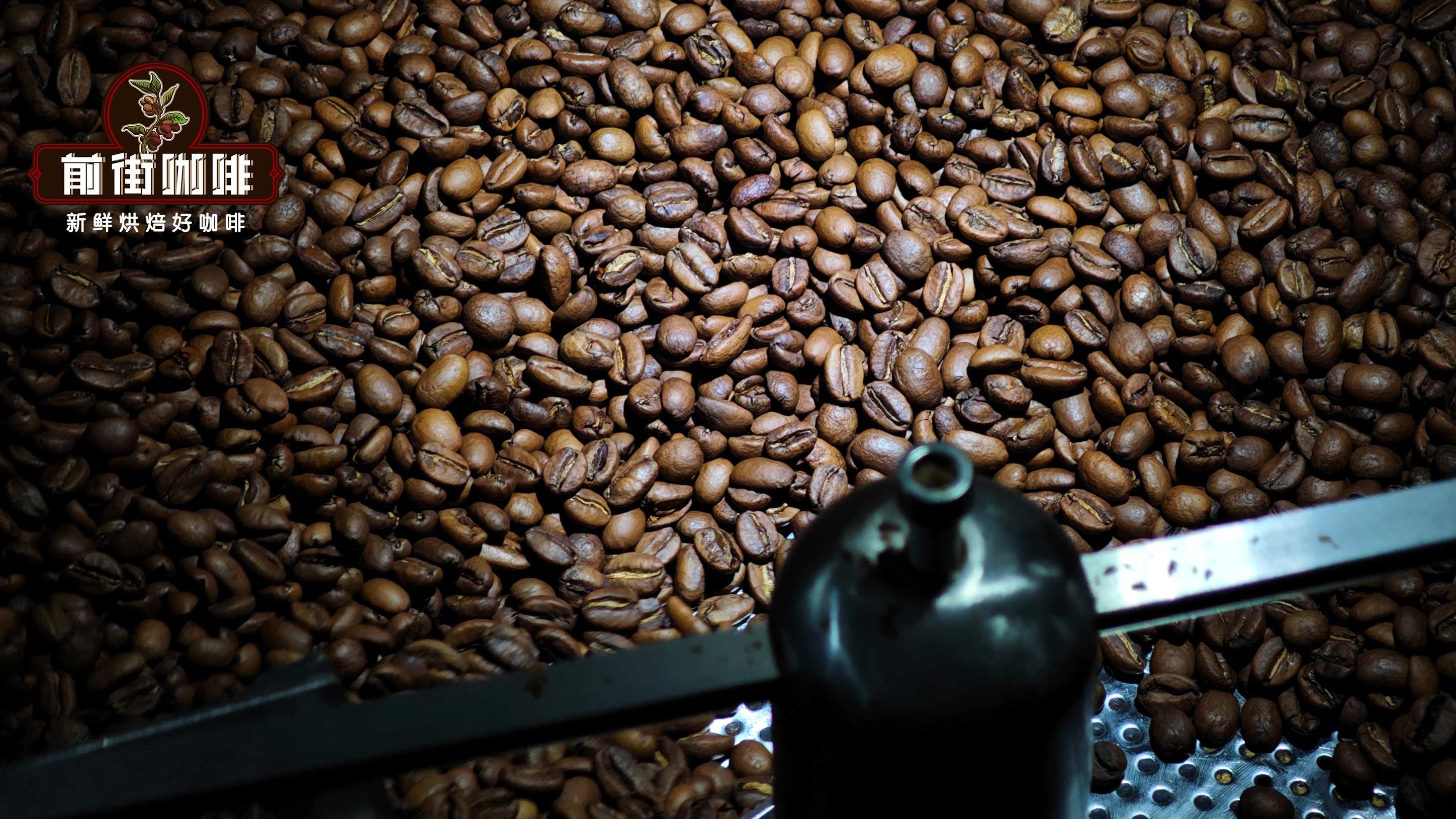
Take the classic heirloom variety “Typica,” for example. It is one of the oldest varieties in the Arabica family, known for its clear flavor profile and clean taste. Although it has relatively low yield and weaker disease resistance—making it unsuitable for large-scale commercial planting—it remains an important representative in the specialty coffee category. For instance, in 2013, a well-known café launched a “Yunnan Natural Typica,” using medium-dark roasting and the natural processing method, which presented a flavor profile that serves as a valuable reference.
When tasting this bean, the first impression is clean and bright. You can distinctly perceive the refreshing acidity of citrus, intertwined with sweet caramel notes, accompanied by hints of nuts, chocolate, and brown sugar. The overall acidity is moderate, with distinct layers, not only showcasing the finesse of the processing method but also allowing one to sense the unique terroir expression of the Yunnan region. In fact, this bean has been continuously planted and roasted since 2013, indirectly witnessing the steady improvement in the quality of Yunnan coffee over the years.
Speaking of flavor enhancement, we must highlight the shift in processing methods. Compared to traditional washed processing, the natural (sun-dried) method allows coffee cherries to slowly dry under the sun, preserving more pulp sugars and innate fruit aromas. This has been one of the key reasons why Yunnan coffee flavors have become increasingly rich in recent years. As processing becomes more meticulous, combined with the gradual optimization of varieties and strict control over harvest ripeness, the overall performance of Yunnan coffee has naturally been completely transformed.
So, how should we view the current state of Yunnan specialty coffee? Admittedly, compared to internationally renowned origins, Yunnan’s specialty coffee is still in a developmental stage, and there is room for improvement in flavor consistency across different farms and batches. But from an actual tasting experience perspective, beans like the aforementioned Natural Typica—which are carefully grown and processed—already reach a quite high standard, whether as everyday drinking coffee or as an entry-level choice for beginner pour-over enthusiasts.
Supporting domestic coffee-producing regions is not just about emotion or localization. More importantly, the flavor profiles of these beans can already align with the international specialty market. If you want to reassess the potential of Yunnan coffee, why not start with a pack of Typica that features a clear flavor and thoughtful processing—experiencing firsthand the unique coffee charm nurtured by this land.
The above content is compiled by CoffeeHunters, a coffee news website.