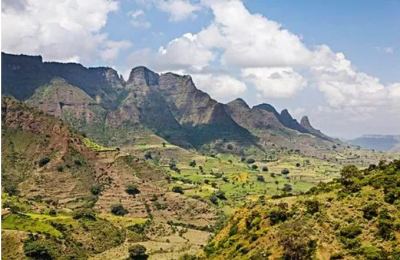
Introduction:Did you know? The world’s most beloved beverage, “coffee,” can trace its origins back to the Kafa Forest in southwestern Ethiopia. This UNESCO Biosphere Reserve, known as the “cradle of coffee,” is not only the native habitat of wild Arabica varieties but also harbors an astonishing wealth of flavor potential. This article will take you on a deep dive into the historical significance of this sacred rainforest, the unique characteristics of wild coffee, and how to use proper pour over techniques to reveal its most authentic taste.
Every cup of coffee carries a long and storied history, and that story begins in the Kafa Forest in southwestern Ethiopia. This vast rainforest, designated as a UNESCO Biosphere Reserve, is globally recognized as the birthplace of Arabica coffee and the etymological origin of the word “coffee”—named after the ancient Kingdom of Kafa. If you’re curious about the history and origins of coffee, this is truly a must-visit sacred site.
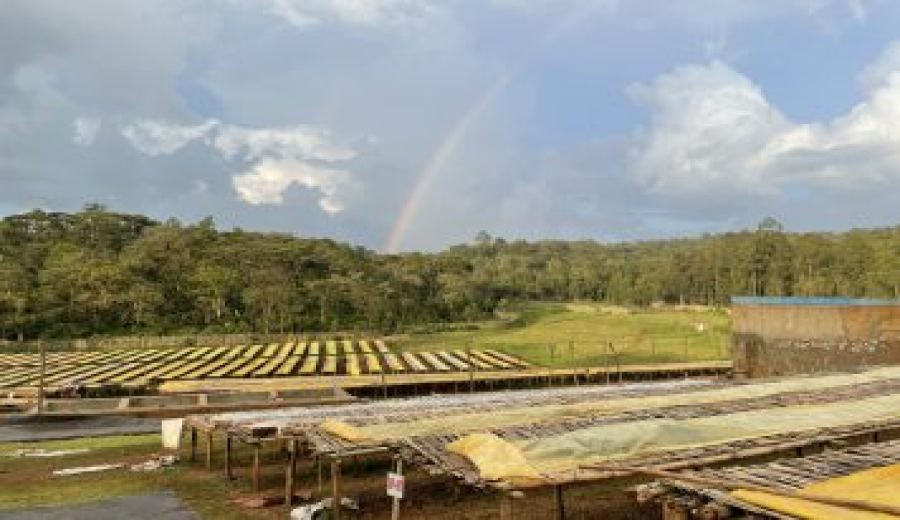
Covering an area of over 7,000 square kilometers, the Kafa Forest is a typical highland mountain rainforest environment, with elevations ranging between 1,400 and 2,100 meters. Perennially shrouded in mist, its dense tree canopy provides natural shade, creating a unique microclimate ecosystem. Over thousands of years of natural evolution, this area has nurtured more than 5,000 wild Arabica genetic mother plants, including even the highly acclaimed Geisha variety. In fact, the original strain of Geisha also originates from this mysterious forest, making its potential and diversity truly awe-inspiring.
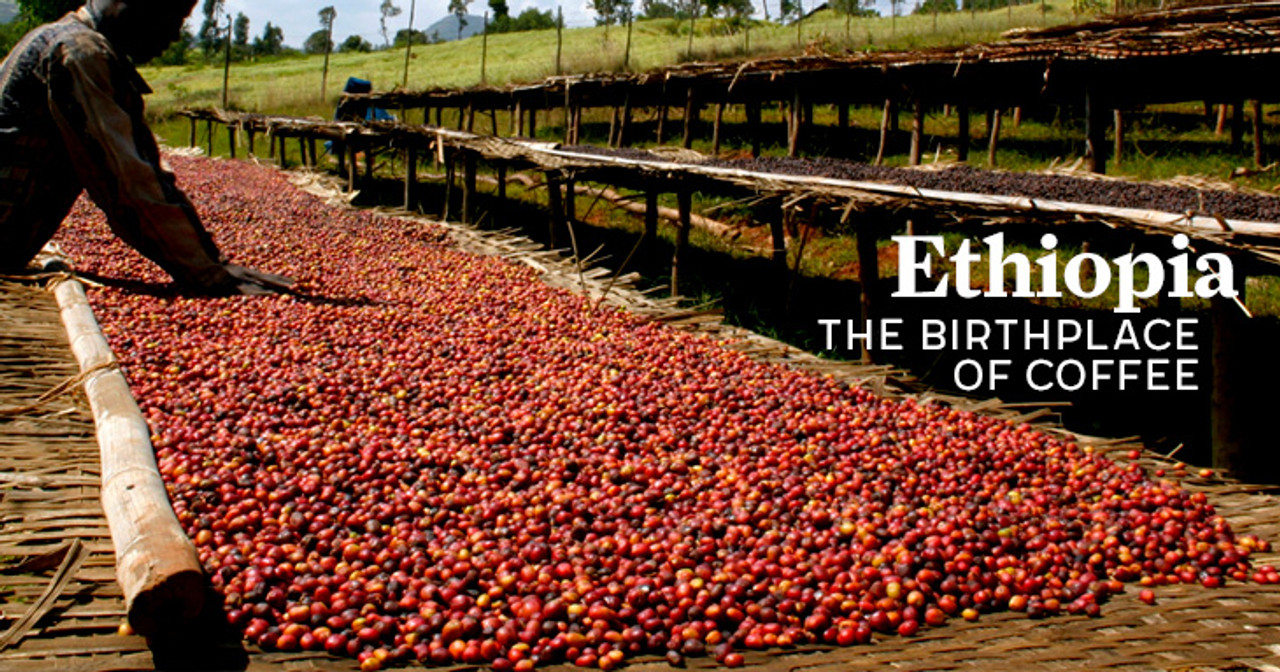
The coffee trees in this rainforest grow entirely relying on natural rainfall and mineral-rich acidic red soil, without the interference of intensive human cultivation. These environmental conditions produce coffee cherries with rich, multi-layered aromas, often featuring bright jasmine, lively citrus, and enchanting wild berry notes. These delicate and distinct characteristics form a “wild flavor reservoir” that is extremely difficult to replicate in cultivated coffee farms. For many coffee enthusiasts, tasting coffee from the Kafa Forest is not just about enjoying a beverage, but experiencing the most primal terroir expression of this species.
As one of the few remaining core habitats for wild Arabica in the world, the value of the Kafa Forest extends far beyond that of a typical coffee-growing region. It is not only a treasure trove of coffee genetics but also a critical zone for maintaining biodiversity. Locals promote sustainable harvesting through cooperative models, which protect rare coffee germplasm resources while preserving Ethiopia’s profound coffee culture and traditional ceremonies. More importantly, this approach also safeguards the integrity of the pristine rainforest. In other words, every time you enjoy a cup of coffee from the Kafa Forest, you are also contributing to the conservation of this precious rainforest.
So, how can you brew to fully showcase the unique charm of Kafa Forest coffee? It is recommended to use the pour over method, preferably with beans roasted to a medium-light level. Brewing with water at 90–92°C and a 1:15 coffee-to-water ratio can bring out the layered and vibrant aromas of jasmine and wild berries. Take your time, savor it mindfully, and try to find that most original and pure coffee flavor in your cup—feel the mark left by that ancient rainforest thousands of years ago.
From the wild coffee fruit discovered by chance in the Kafa Forest, to its introduction to Yemen where it was consumed by Sufi monks, then spread to coffeehouses across Europe, and finally arriving in your cup—this coffee has traveled a journey of a thousand years. The next time you prepare to brew, take a moment to think: the aroma in your cup might be no different from the scents of that ancient rainforest. That is the most romantic thing about coffee.
The above content is compiled by CoffeeHunters, a coffee news website.