







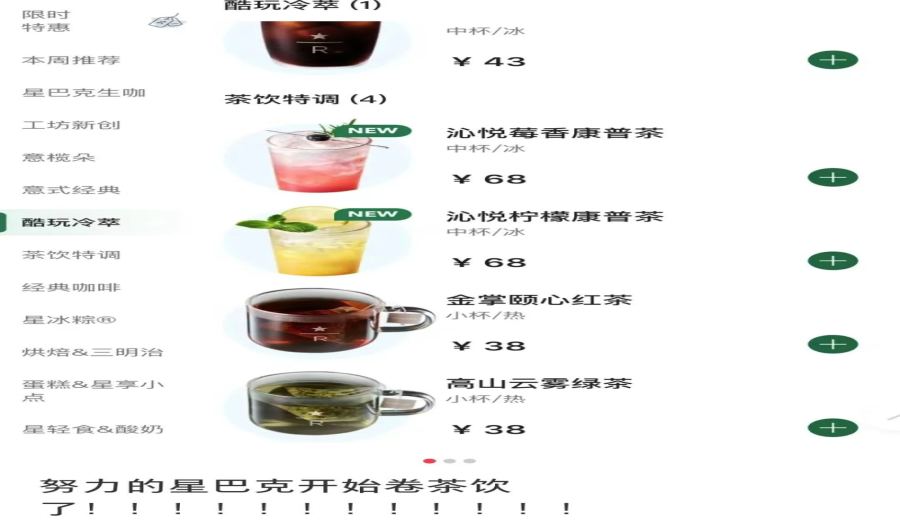
Introduction:Recently, Starbucks quietly launched two kombucha-based specialty drinks in select stores, sparking widespread discussion in the market. This move not only reflects the challenges faced by chain coffee brands in product innovation but also reveals the growing consumer demand for healthier beverage options. This article provides an in-depth analysis of kombucha’s characteristics and market trends, while exploring how brands can seek new directions in their product lines, offering readers practical insights for making choices and judgments.
In recent years, consumers have developed increasingly diverse taste preferences when it comes to beverages. Chain coffee brands have spared no effort in product development, introducing new flavors through various flavored syrups and fruit elements in an attempt to capture attention. However, some consumers have noticed that Starbucks, known for its coffee, has introduced two relatively rare kombucha specialty drinks in select stores, triggering considerable discussion.
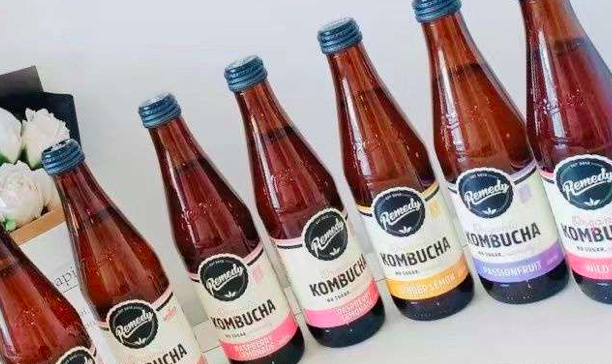
Kombucha, a fermented beverage that has been gradually gaining popularity in Europe and America, is not a conventional tea-based drink despite the word “tea” in its name. Instead, it is a probiotic beverage made by fermenting tea leaves, sugar, water, and specific strains of bacteria and yeast. Its flavor typically falls between sweet and tangy, with a refreshing taste that suits modern consumers' pursuit of healthy and novel beverage choices.
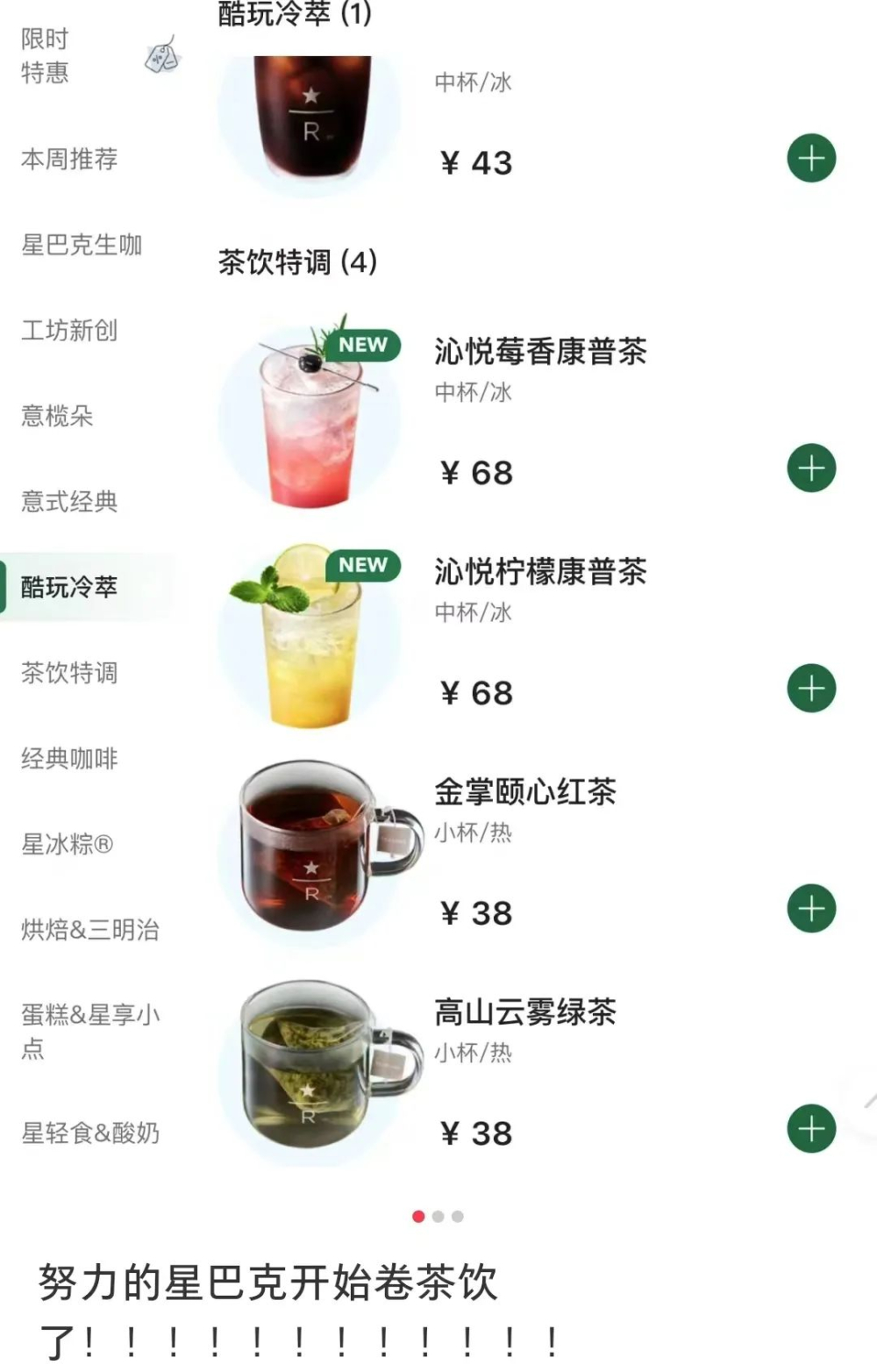
Starbucks’ introduction of kombucha specialty drinks in certain stores this time does not continue its usual focus on coffee but instead ventures into the realm of fermented tea beverages, surprising many customers. Some consumers jokingly remarked whether Starbucks is turning to the tea beverage market for inspiration due to a lack of coffee innovation. While this is just a lighthearted comment, it also prompts reflection on the innovation direction of chain coffee brands.
In fact, many well-known coffee brands have, over the past period, primarily launched new products that feature various flavored syrups paired with coffee. Although the names differ, the essence still gives the impression of “same taste, different packaging.” For example, Luckin once removed several flavored latte options, receiving praise from some consumers, but it also highlighted that its new products mostly rely on syrup-blended flavor differences, which are unlikely to truly surprise customers in the long run.
Industry observers have noted that the innovation models of many chain brands tend to involve combining syrups, milk bases, and coffee in various ways. While these combinations can stimulate short-term sales, over time, consumers often find they can guess the general ingredients based on the names of the new drinks, causing “new product launches” to gradually lose their appeal. Some joke that each time a brand releases a new beverage, it feels like attending a “syrup presentation,” with innovation appearing somewhat lacking.
As health-conscious eating becomes more prevalent, more and more consumers are paying attention to sugar intake and gradually losing interest in high-sugar, overly sweet flavored lattes. To respond to this trend, brands have started replacing traditional syrups with juices or fruit jams, launching a series of fruit coffee and fruit tea products, attempting to attract health-conscious consumers with the selling point of “natural juice.”
However, although these new products claim to use real fruit juice, they are still fundamentally based on coffee or tea, with different flavors achieved through blending techniques. For some consumers, although the taste may vary, the overall experience still lacks breakthrough appeal and is considered “somewhat new, but not much.”
Starbucks’ choice to launch kombucha this time, rather than continuing along its previous coffee or fruit tea path, has given many familiar customers a sense of novelty. Some consumers have said that it’s finally not just another new syrup flavor, but a genuinely innovative product. This also reflects that young consumers have high expectations for novel, healthy, and functional beverages. If brands can make breakthroughs in these areas, they have the opportunity to win favor in the market.
For brands, finding truly differentiated directions in product innovation—rather than simply recombining existing elements—will be key to future challenges. The emergence of kombucha may be Starbucks’ proactive response to market changes and provides a noteworthy case for the entire coffee beverage industry to observe.
The above content is compiled by CoffeeHunters, a coffee news website.


