







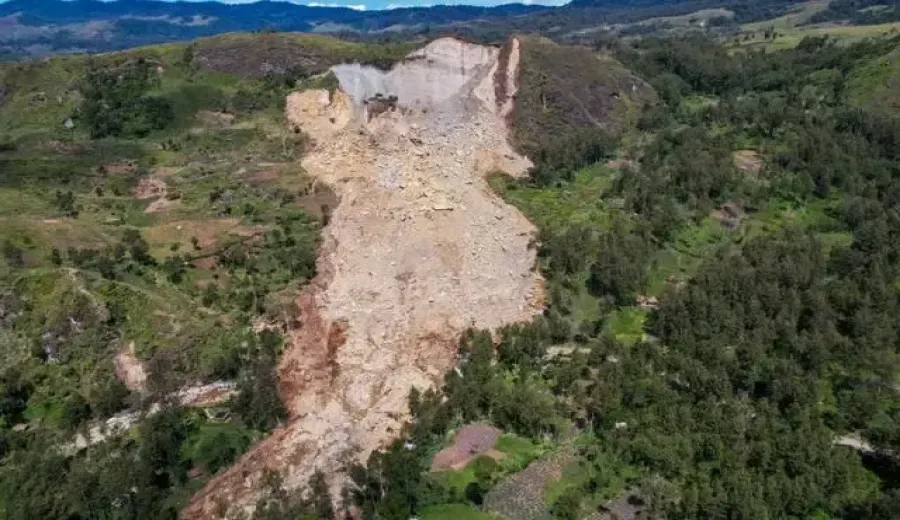
Introduction:A major landslide recently occurred in the Mulitaka area of Enga Province, Papua New Guinea, burying over 2,000 people alive, with the confirmed death toll exceeding 670. The disaster coincided with the local coffee harvest season, leading to a severe labor shortage in the producing regions—especially in the Wahgi Valley near the major coffee-growing area of Western Highlands Province—which is now at risk of significant output reduction. This article takes you through the details of the disaster, the location of the affected coffee-producing areas, and the potential threat that future weather conditions pose to production.
Located in Oceania, Papua New Guinea has recently been plagued by natural disasters. Among them, a massive landslide occurred in the early hours of May 24 in the Mulitaka area of Enga Province in the north. According to official statistics, over 2,000 people were buried under mud, and the confirmed death toll has now surpassed 670.
The backdrop to this disaster is the persistent heavy rainfall in the region since March. According to monitoring by the World Meteorological Centre, between May 20 and 24, the affected area received cumulative rainfall ranging from 10 to 40 millimeters, while the northwest region recorded up to 70 millimeters. The excessive moisture caused the soil to become extremely loose, ultimately triggering the large-scale landslide.
The village where the incident occurred originally had 3,895 residents. The landslide covered an area roughly equivalent to 3 to 4 standard football fields, and the disaster struck in the early hours when people were asleep, resulting in a very high number of casualties.More than 2,000 people are still missing, and rescue teams are continuing their search efforts.
The landslide site is close to Papua New Guinea’s important coffee-producing region—Western Highlands Province. This province is renowned for producing high-quality Arabica coffee, with coffee trees mainly grown in the Wahgi Valley near Mount Hagen, which is one of the areas most severely affected by this disaster.
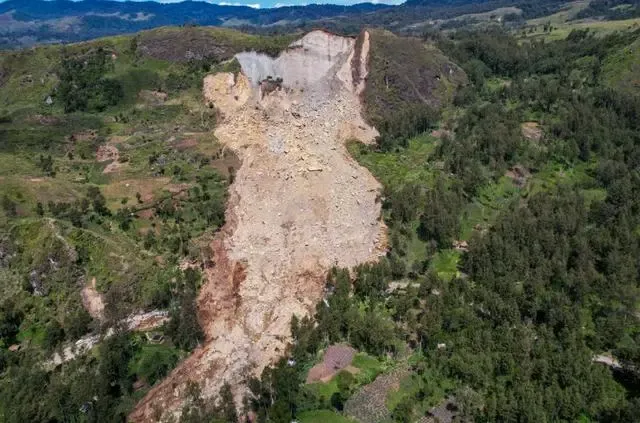
Although there is currently no complete official report on farmland damage, due to the suddenness of the disaster and ongoing emergency evacuations, harvesting activities at local coffee farms have come to a halt. The coffee cherry ripening and harvesting season is currently underway, and the mass evacuation of labor has directly led to a shortage of harvest workers, which will inevitably impact both the yield and quality of this season’s crop.
Weather forecasts indicate that Enga Province will continue to experience overcast and rainy conditions over the next week, with cumulative rainfall expected to reach 30 to 50 millimeters, and some areas possibly seeing up to 50 to 80 millimeters, accompanied by light to moderate rain. At the same time, there are reports that landslides are still slowly shifting, raising concerns about further impacts on surrounding villages.
To prevent secondary disasters, the local government has urgently evacuated approximately 7,900 residents to ensure public safety. However, this measure has further exacerbated the already precarious coffee harvest situation in the affected producing areas.
It is worth noting that this is not the first landslide to hit Papua New Guinea. According to statistics, the country has experienced at least 15 similar incidents in recent times. Moreover, the central coffee-growing province of Chimbu also recently suffered a severe landslide, resulting in at least 21 deaths and damage to multiple farmlands, further compounding the instability in the national coffee supply.
Fortunately, multiple countries have dispatched rescue teams to the area to assist with search and relief efforts, aiming to reduce casualties and gradually stabilize the post-disaster situation. However, for the coffee-producing regions that are about to enter the critical harvest period, restoring production and labor remains a major challenge for the future.
The above content is compiled by CoffeeHunters, a coffee news website.


