







Introduction:Want to learn about this low-profile yet highly promising coffee-producing country in southeastern Africa? Although not as well-known as Ethiopia, Malawi’s unique geography and climate give rise to distinctly flavorful coffees. This article will take you into two of Malawi’s most renowned coffee-growing regions—Misuku Hills and Nkhata Bay Highlands—analyze the characteristics of major varieties such as Agaro and Geisha, and explain in detail the operation model of local smallholder cooperatives, helping you gain a more comprehensive understanding of this emerging specialty coffee origin.
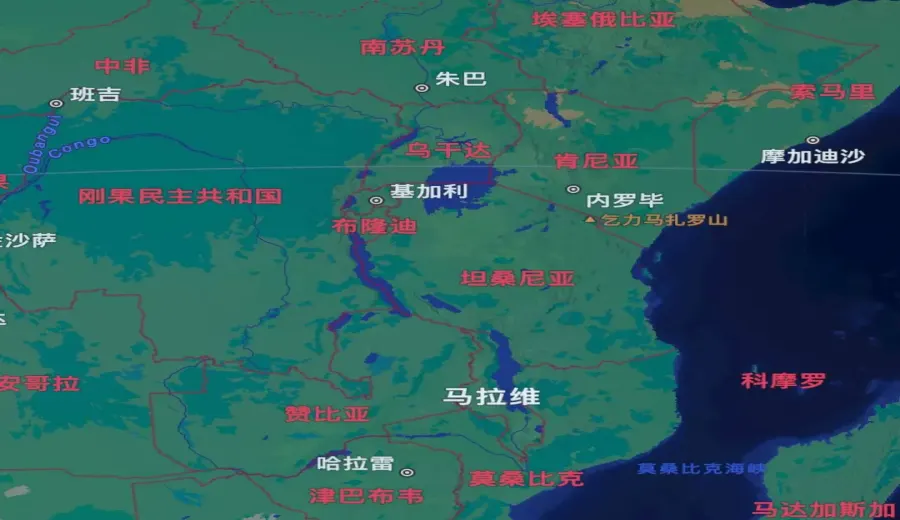
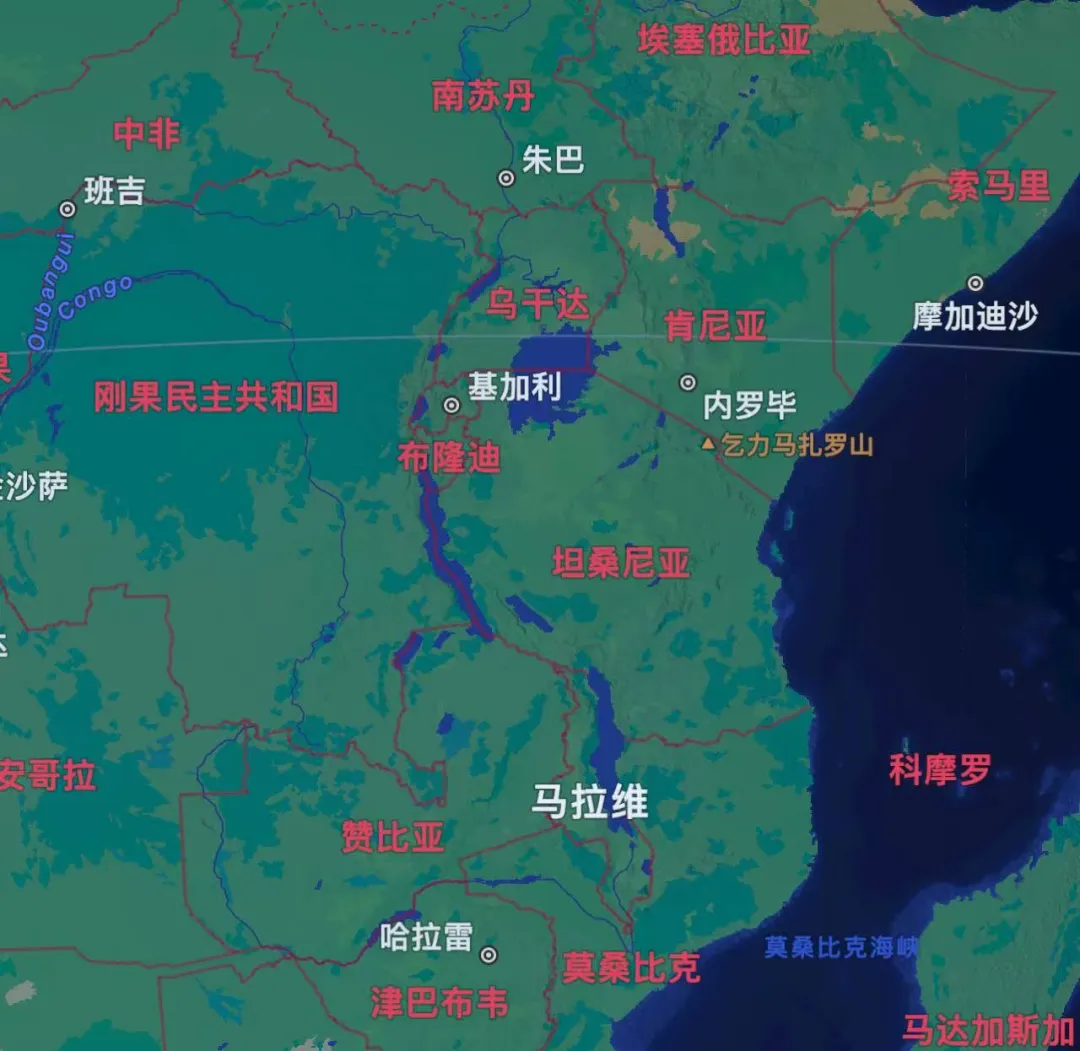
On the map of Africa’s specialty coffee, Ethiopia is undoubtedly the spotlighted birthplace, but Malawi, an inland country located in southeastern Africa, is equally worthy of in-depth exploration by coffee enthusiasts. The name “Malawi” comes from Lake Malawi, the third largest lake in Africa, situated within its borders. The country is surrounded by Tanzania, Mozambique, and Zambia. With a diverse terrain, the East African Rift Valley running through it, along with a tropical savanna climate, abundant rainfall, and varied soils, Malawi offers an ideal environment for coffee cultivation.
Malawi’s coffee industry is primarily composed of two types of farming models: large-scale estates are more common in the south, while the north is dominated by individual smallholder farmers. Among them,Misuku HillsandNkhata Bay Highlandsare the two most notable high-quality producing regions, cultivating varieties including Agaro, Geisha, Bourbon, and Catimor, each showcasing distinct terroir characteristics.
First, let’s look atMisuku Hills, where elevations range between 1,700 and 2,000 meters, adjacent to the Songwe River, with a stable climate and moderate rainfall. Coffees produced here often exhibit bright citrus notes, complemented by complex layers of black plum and stone fruits, with vibrant acidity and a refreshing mouthfeel—making them well-suited for coffee lovers who enjoy pronounced fruity profiles.
As forNkhata Bay Highlands, it extends from southeast to southwest of Mzuzu, reaching elevations of up to 2,000 meters, and falls within a hot and rainy climate zone. Due to its unique geographical location and growing conditions, some coffees from this area share flavor profiles quite similar to those of Ethiopian coffees, often showcasing elegant floral aromas, accompanied by blackcurrant notes and a soft, creamy finish, with rich layers and a long-lasting aftertaste.
Beyond the well-known producing regions, Malawi’s coffee production system also has distinctive features. Most smallholder farmers participate in the industry by joiningsix regional cooperatives, which are further consolidated under theMzuzu Coffee Planters Cooperative Union, with an overall annual production of approximately 350 to 450 metric tons. This organizational structure not only enhances the market bargaining power of smallholders but also provides reliable support for quality control and export processes.
In terms of sales channels, farmers can choose to export their coffee beans independently or market them collectively through the Mzuzu Cooperative Union. For consumers seeking origin-direct experiences and supporting smallholder sustainable development, choosing Malawian coffee through cooperative channels not only allows one to enjoy unique terroir flavors but also brings more stable income and long-term development opportunities to local producers.
In summary, although Malawian coffee may not have the same level of international exposure as other major African coffee-producing nations, its unique altitude conditions, diverse microclimates, and continuously improving farming techniques are gradually establishing this landlocked East African country as a rising star in the specialty coffee scene. Whether you’re a pour over enthusiast exploring flavor profiles or a coffee lover interested in origin stories and sustainability, Malawian coffee is well worth your deeper exploration and tasting.
The above content is compiled by CoffeeHunters, a coffee news website.


