







Introduction:The global coffee market has recently experienced heightened volatility, with Robusta futures prices briefly surpassing $4,000 per metric ton, marking a recent all-time high. Behind this surge is the ongoing adverse weather affecting the two major producing regions—Brazil and Vietnam—leading to tightened supply. This article delves into how weather changes are impacting production, explores market forecasts of supply gaps, and provides insight into potential future coffee price trends.
The global coffee futures market has recently seen another strong upward trend, with Robusta prices once again breaching the $4,000-per-ton mark, while Arabica prices have also risen in tandem. This sharp price increase is primarily due to the long-term unfavorable weather conditions in Brazil and Vietnam, the world’s two largest coffee producers, which have led to a tightening of market supply.
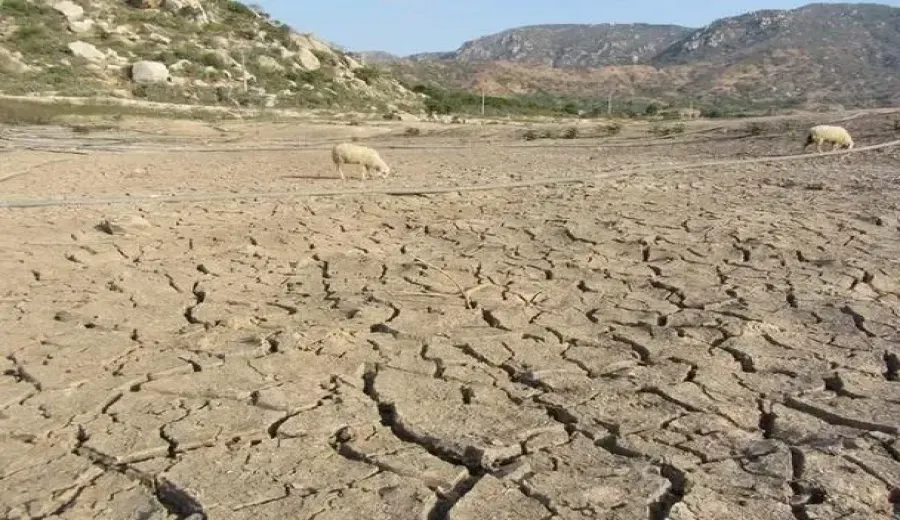
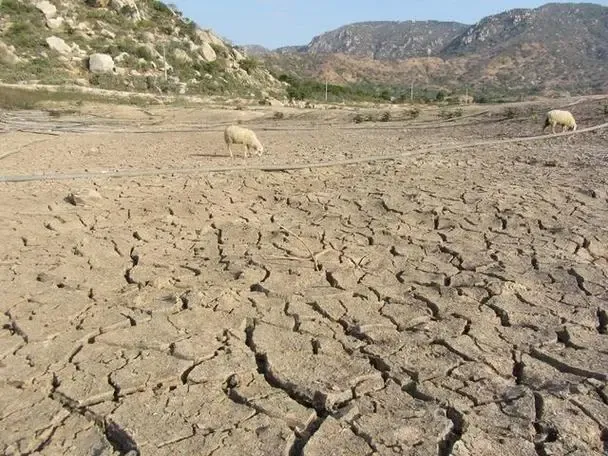
Vietnam previously endured severe drought, and although there has been recent rainfall, the precipitation has been insufficient to fully alleviate the dry spell. According to feedback from local industry players, some coffee trees have already shown clear signs of wilting, yellowing leaves, and leaf drop. Such damage may have irreversible effects on the plants, further reducing future yields.
The international trading firm Volcafe’s latest analysis indicates that Vietnam’s Robusta coffee production for the 2024/25 season may amount to only 24 million bags, hitting a 13-year low. At the same time, they estimate that the global Robusta supply will face a shortfall of up to 4.5 million bags, further intensifying market tensions.
Turning to Brazil, the country’s meteorological department has issued warnings that a strong cold front will sweep across the nation, with some areas possibly experiencing frost and even the first snowfall of the year. A polar air mass has already reached Brazil’s Rio Grande do Sul state, where temperatures in multiple cities are expected to hover between 3.5°C and 10°C.
In addition to Rio Grande do Sul, southeastern and central-western Brazil may also face localized frost, while the southern region could see its first snowfall due to the low temperatures. Although forecasts suggest this cold wave will gradually weaken in the coming days, the minimum temperatures in high-altitude areas of Rio Grande do Sul and Santa Catarina states could still drop to as low as -1°C to -2°C, accompanied by significant frost.
Weather forecasts also warn that the incoming cold air will move southward with cyclonic activity, and some areas in Paraná state may also be at risk of frost. In addition, temperatures in several cities in the central-western region are expected to remain low, and the cold air will further affect western São Paulo state—regions that are all key coffee-growing belts in Brazil.
Notably, the upcoming La Niña phenomenon may further increase the likelihood of frost in Brazil’s producing regions. The aforementioned areas are not only major cultivation zones for both Brazilian Arabica and Robusta, but also hold pivotal positions in the global coffee supply chain. Any damage to their yields will directly impact the supply-demand balance in the international market.
Taking all factors into account, whether it’s the persistent drought and plant damage in Vietnam or the impending extreme low temperatures and potential frosts in Brazil, both pose serious challenges to global coffee supply and have drawn significant market attention to future price trends.
The above content is compiled by CoffeeHunters, a coffee news website.


