







Introduction:As an island nation in Southeast Asia, the Philippines boasts a rich and diverse geographical environment, making it a potential hub for specialty coffee. Although Robusta and Liberica dominate, some high-altitude regions still cultivate high-quality Arabica. This article will take you on an in-depth exploration of the five major coffee-growing regions in the Philippines — Cordillera, Calabarzon, Mimaropa, the Visayas, and Mindanao — covering aspects such as altitude, main cultivars, and harvest seasons to help you fully grasp the distribution characteristics and potential flavor profiles of Philippine coffee.
When it comes to coffee-producing countries in Asia, many people immediately think of Indonesia’s Mandheling or Vietnam’s massive output. However, the Philippines, also located in Southeast Asia, is often overlooked. In fact, this archipelagic nation composed of over seven thousand islands, with its active volcanic terrain, abundant tropical monsoons, and moderate rainfall, has created diverse microclimates and nurtured regionally distinctive coffee-growing areas.
Currently, the Philippines primarily cultivates Robusta and Liberica, with Arabica accounting for a relatively small proportion. Nevertheless, Arabica is still grown in specific high-altitude regions. The country’s coffee-growing regions can generally be divided by island or administrative division, mainly including the Cordillera Administrative Region, Calabarzon, Mimaropa, the Visayas, and Mindanao. The harvest seasons in these areas typically fall between October and March of the following year, providing clear guidance for coffee enthusiasts who follow seasonal bean sources.
The Republic of the Philippines is located in Southeast Asia and comprises more than 7,000 islands of varying sizes, spanning both tropical and subtropical zones geographically. It borders Taiwan (China) to the north, faces the South China Sea to the west, the Pacific Ocean to the east, and adjoins Indonesia and Malaysia to the south, separated from neighboring countries by natural waterways such as the Bashi Channel and the Celebes Sea. The country’s fragmented island geography results in significant regional differences in agriculture and climate.
About three-quarters of the Philippines’ total land area consists of mountains, and the country is home to over two hundred volcanoes, twenty-one of which are still active. Mount Mayon, located on Luzon Island, is the largest and most active among them, while Mount Apo on Mindanao Island, with an elevation of 2,954 meters, is the highest peak in the country. This volcanic terrain, along with a hot and humid monsoon tropical climate, coupled with an average annual temperature of around 27°C and annual rainfall ranging from 2,000 to 3,000 millimeters, provides an ideal environmental foundation for coffee cultivation.
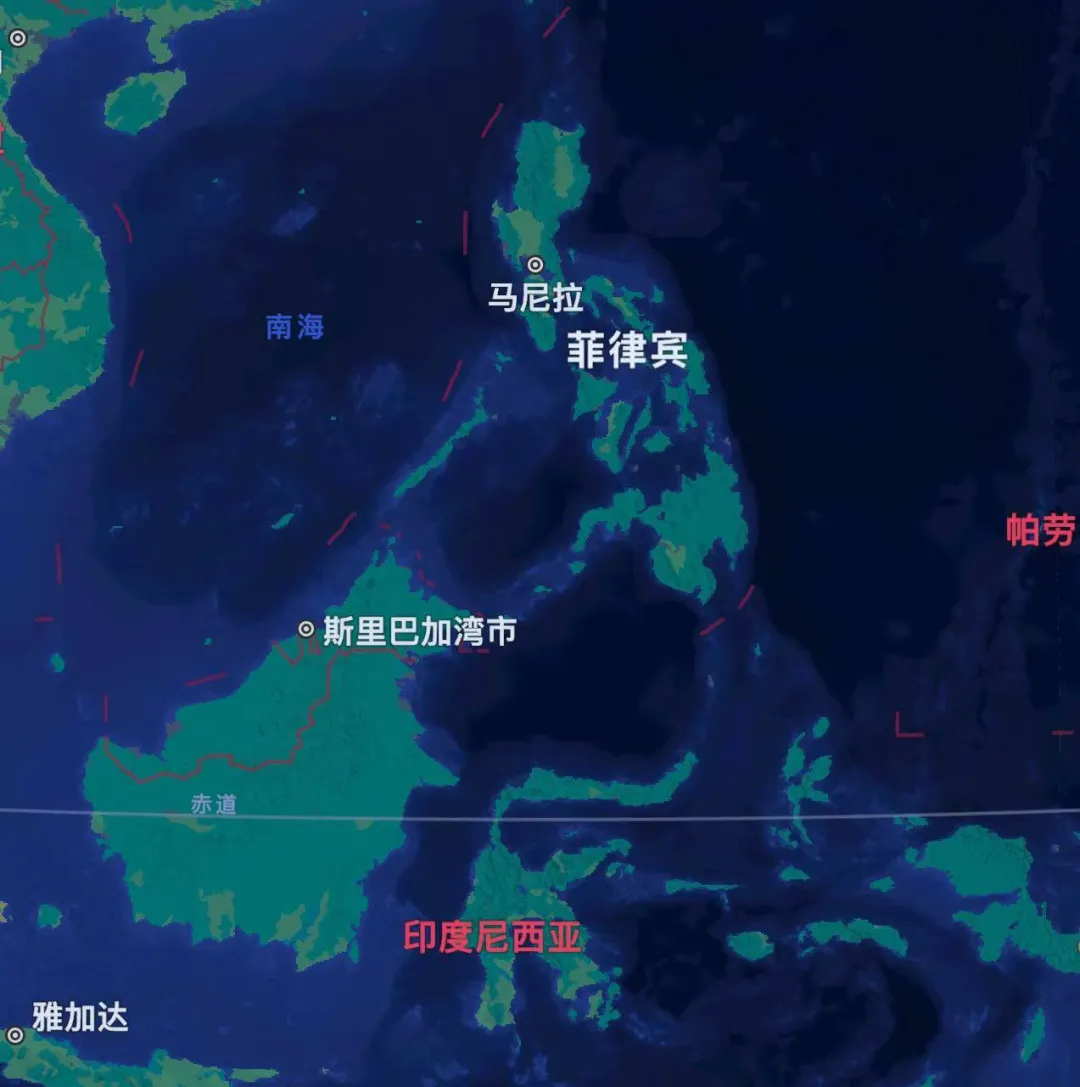
Currently, coffee cultivation in the Philippines is still dominated by Robusta and Liberica, with Arabica grown only in a few higher-altitude regions. Based on island and topographical differences, the main producing areas can be divided into the following core regions:
First is the Cordillera Administrative Region, the only entirely inland coffee-growing region on the northern part of Luzon Island and also the highest-altitude coffee-growing area in the country, ranging from 1,000 to 1,800 meters above sea level. Thanks to the high-altitude conditions, this region grows Arabica varieties such as Bourbon, Typica, Caturra, and Catimor at higher elevations, while Robusta predominates at lower altitudes. If you prefer coffee with bright acidity and layered complexity, the high-altitude Arabica from this area is worth paying attention to.
Next is the Calabarzon region, located southeast of the capital Manila. This area is predominantly low-altitude, with planting elevations mostly between 300 and 500 meters, and the main cultivars are Robusta and Liberica. Due to its stable climate conditions, this region is a hub for large-scale producers, making it suitable for meeting market demands that prioritize high yield and stable supply.
The third region is Mimaropa, consisting of several small islands southwest of Luzon. Although it has some mountainous areas, coffee cultivation here is still concentrated at low altitudes of 300 to 500 meters, with Robusta being the primary variety. Coffee production in this area is mostly for local consumption or regional trade, with limited presence in the international market.
The Visayas is an archipelago made up of numerous small islands, including Bohol and Negros. The volcanic soil in this region is conducive to coffee growth, but the overall altitude of only 500 to 1,000 meters limits the development of Arabica varieties, so Robusta and Catimor blends are mainly planted. However, due to the soil characteristics, the coffee produced on these islands still possesses a certain depth of flavor.
Finally, there is Mindanao, the region with the highest coffee production in the country and also the southernmost coffee-growing hub in the Philippines, accounting for about 70% of the nation’s total coffee cultivation area. With elevations ranging from 700 to 1,200 meters, the main variety here is Robusta, but some Arabica varieties such as Typica and Catimor are also grown. Thanks to its stable climate and extensive cultivation area, Mindanao serves as a major source of commercial-grade beans.

The above content is compiled by CoffeeHunters, a coffee news website.


