







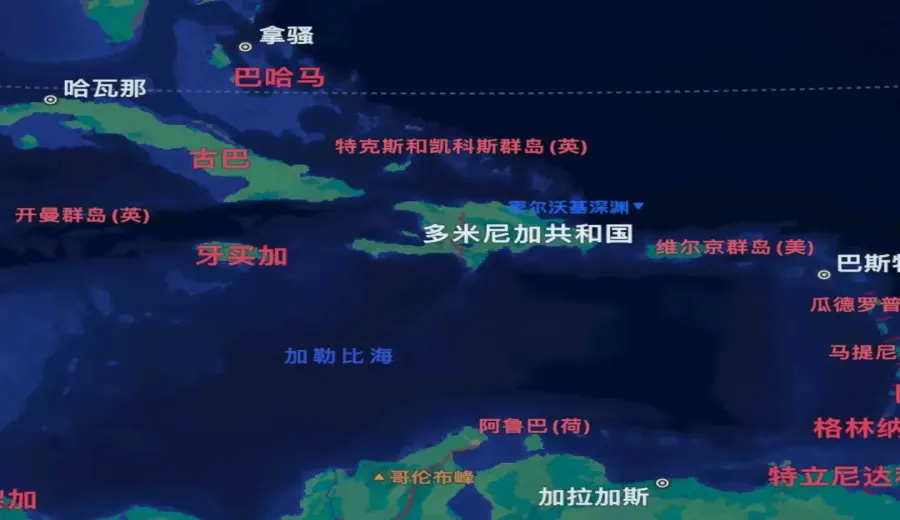
Introduction:The Dominican Republic boasts a uniquely advantageous geographical environment and is one of the important specialty coffee-producing countries in the Caribbean region. This article provides an in-depth introduction to the country’s five major coffee-growing regions, including their altitude distributions, main cultivated varieties, and flavor profiles, helping readers master key knowledge for selecting Dominican coffee beans. Whether you prefer pour over or espresso brewing, you’ll be able to find a suitable bean option.
The Dominican Republic is located on the eastern part of Hispaniola Island in the Caribbean Sea, sharing the same island with Haiti. It borders the Atlantic Ocean to the east and the Caribbean Sea to the west. The terrain is predominantly mountainous, with a climate that includes both tropical rainforest and savanna zones. Coupled with fertile soil and suitable rainfall, it is highly conducive to coffee cultivation. The country is not only a popular tourist destination but also one of the coffee-growing regions that enthusiasts should not overlook.
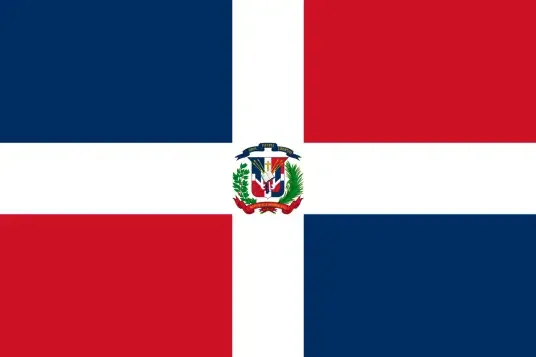
The design of the Dominican flag is deeply symbolic. The central white cross divides the flag into four sections: blue represents freedom, red symbolizes the sacrifices made in the struggle for independence, and white stands for peace and religious faith. The national coat of arms is placed at the intersection of the cross, with a central Bible and cross highlighting its Catholic cultural background. Together, the flag and coat of arms reflect the nation’s spirit and historical heritage.
The main mountain ranges within the country include the Northern Mountains, Central Mountains, Neiba Mountains, and Bahoruco Mountains. Among them, the Central Mountains are home to the country’s highest peaks, creating diverse altitude zones that provide varied microclimates ideal for coffee cultivation. The national average annual temperature ranges from 25 to 30°C, with an average annual rainfall of about 1,350 millimeters, making it very suitable for coffee tree growth.
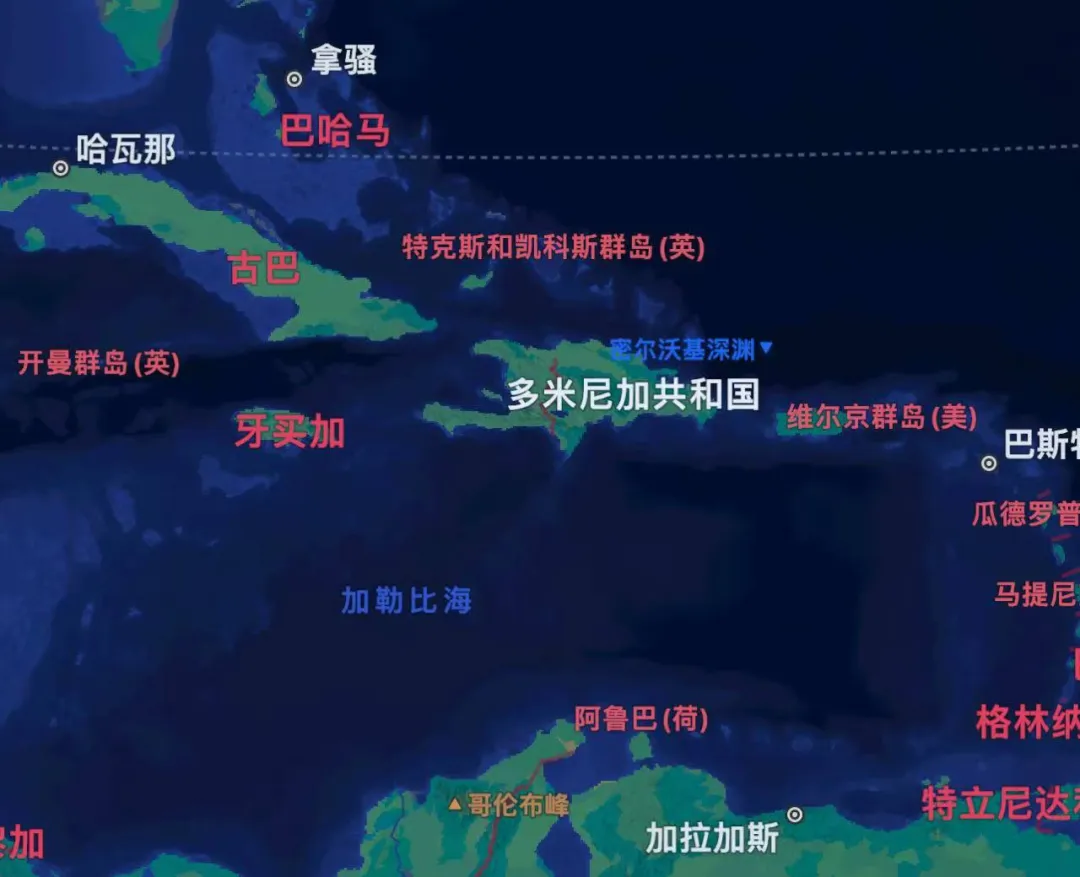
Coffee cultivation in the Dominican Republic is mainly concentrated in five key regions: Barahona, Cibao, Central Mountains, Neyba, and Valdesia. Each region produces coffee with distinct flavor characteristics due to differences in altitude, variety, and microclimate.
Located in the southwestern part of the country, the province of Barahona has coffee farms mostly situated around the Bahoruco Mountains. Although the overall altitude ranges between 600 and 1,300 meters—slightly lower than other regions—the southern latitude and abundant sunlight still allow for the production of quality coffee beans. The area primarily cultivates Typica (about 80%) and Catuaí (about 20%). The flavors are fresh, with the typical aroma of island-grown beans, offering a soft and smooth mouthfeel, suitable for consumers who prefer milder flavors.
The Cibao region is located in the northern part of the country, situated in the valley terrain between the Northern Mountains and the Central Mountains, with a wide range of altitudes, approximately 400 to 1,500 meters. This area mainly grows Typica (about 90%) and a small amount of Catuaí (about 10%). Due to the significant altitude variation, some high-altitude sections produce coffee with bright acidity, delicate aromas, and good complexity, making it suitable for more experienced enthusiasts to explore deeply.
The Central Mountains is the highest-altitude region in the Dominican Republic, with overall planting elevations ranging between 600 and 1,500 meters. Coffee beans from this area are typically plump in shape, and their flavors are characterized by bright acidity and a rich mouthfeel, often with fruity and sweet notes in the aftertaste. It is one of the country’s most promising specialty coffee-growing regions. In terms of varieties, Typica accounts for about 30%, Catuaí for 65%, and a small amount of Catimor (5%). The planting structure is dominated by Catuaí, offering stability and diversity.
The Neyba region is located in the southwestern part of the country and is considered one of the possible earliest origins of coffee cultivation in the Dominican Republic. Planting is concentrated in the Neyba mountainous area at altitudes of 700 to 1,400 meters. This region mainly cultivates equal parts Typica and Catuaí. The flavor profile leans traditional, with soft acidity and subtle notes of nuts and chocolate, suitable for coffee lovers who prefer classic styles.
The Valdesia region is one of the most well-known coffee-growing areas in the Dominican Republic and holds the status of a designated appellation. Its association with the country’s former name, “Santo Domingo,” contributes to its high market recognition and often allows it to command relatively higher prices. The altitude in this region ranges between 500 and 1,100 meters, with Typica (about 40%) and Catuaí (about 60%) as the main varieties. The coffee produced here generally offers good balance, clear flavors, and harmonious acidity and sweetness, making it a favored source of beans for many coffee merchants and roasters.
In summary, Dominican coffee, with its diverse range of regions and variety combinations, showcases rich flavor potential. Whether you’re a beginner pour over enthusiast or a roaster seeking unique regional beans, you can find high-quality options to meet your needs. A deeper understanding of each region’s altitude, variety, and microclimate characteristics will help you make more accurate judgments when selecting or brewing coffee.
The above content is compiled by CoffeeHunters, a coffee news website.


