







Introduction:An in-depth analysis of the most exasperating negative reviews of Luckin Coffee as voted by netizens, uncovering the hidden challenges in quality control and service on the front lines of chain coffee shops—from “ice too cold to handle” to “accidentally ran into my ex.” This piece not only sheds light on the predicaments baristas face when dealing with unreasonable complaints, but also offers practical advice for fostering positive interactions between customers and cafes.
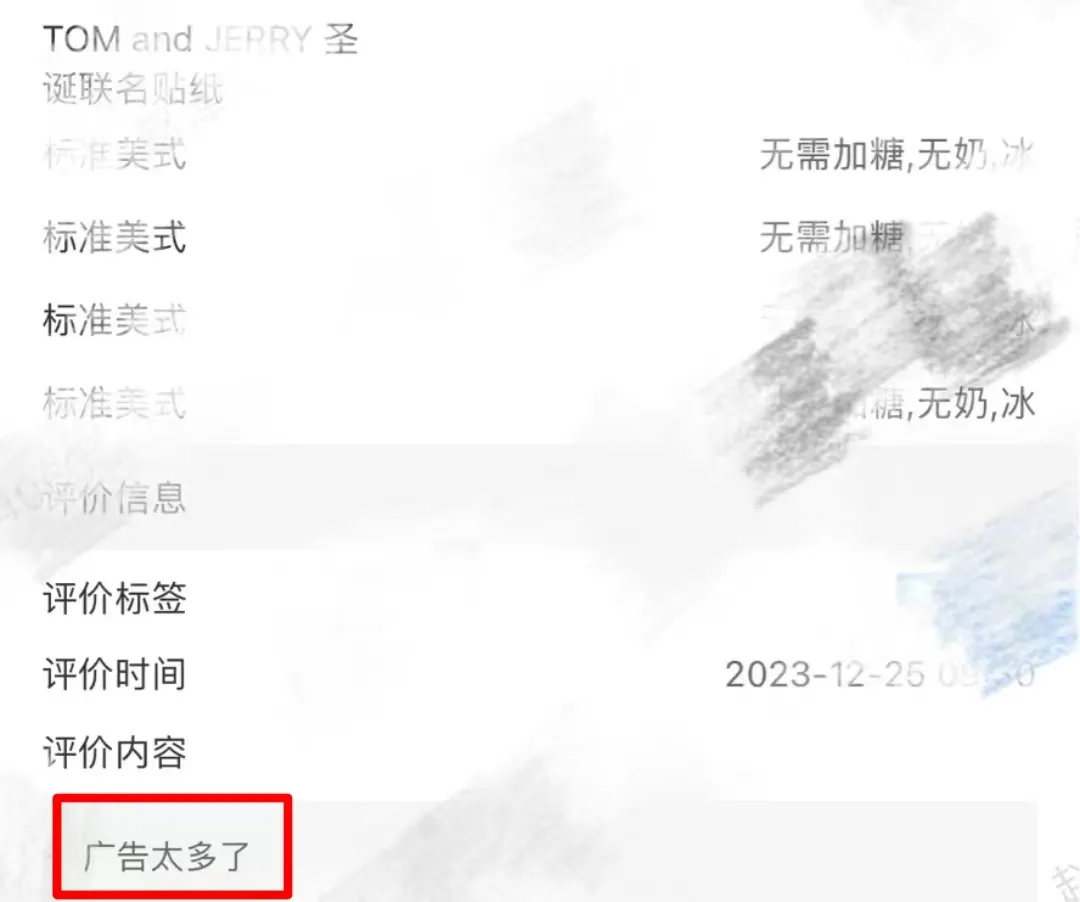
In the fiercely competitive retail coffee market, the chain brand Luckin has maintained its leading position thanks to its vast store network and high sales volume. However, along with its impressive performance come a variety of unexpected negative reviews from customers. A series of screenshots circulating from Xiaohongshu (Little Red Book) reveal that the reasons behind customer complaints are wildly diverse—ranging from “coffee too cold to handle” to “ran into my ex at the same shop”—leaving frontline staff both amused and bewildered, while also drawing public attention to the issues of review mechanisms and employee psychological pressure.
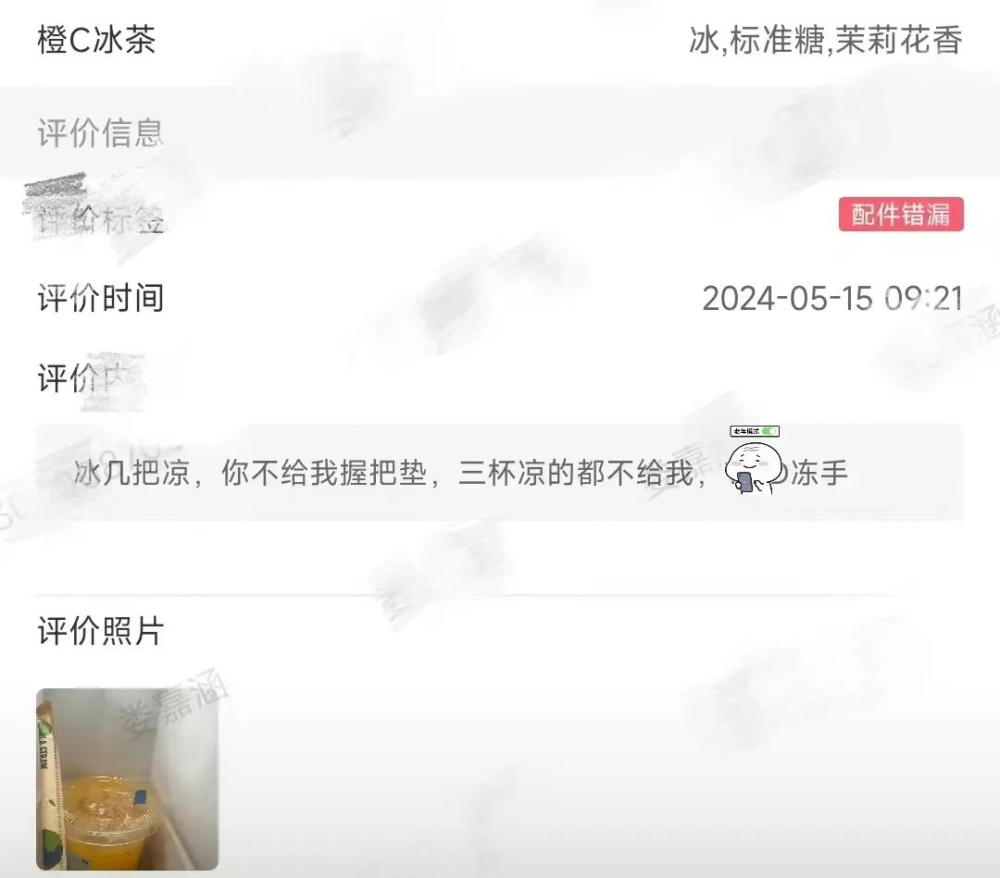
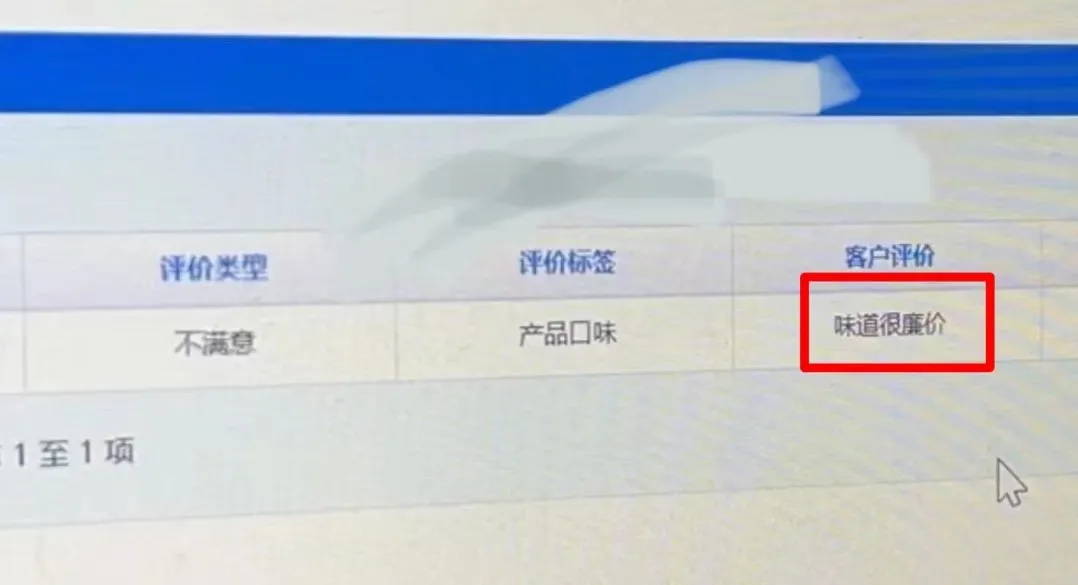
“Freezing hands” is one of the common complaints. Some customers have grumbled that their iced drinks were served too cold, with one even remarking, “Well, I can’t exactly heat up the ice, can I?” In fact, according to industry standards, the typical serving temperature for iced coffee is between 0 to 4°C. However, if customers are particularly sensitive to ice quantity or temperature, it is recommended to specify “less ice” or “warm drink” when ordering, which can effectively reduce misunderstandings. Another laughably baffling comment reads “The taste is cheap.” While taste is subjective, such feedback does reflect a gap between some customers’ expectations of price and flavor.
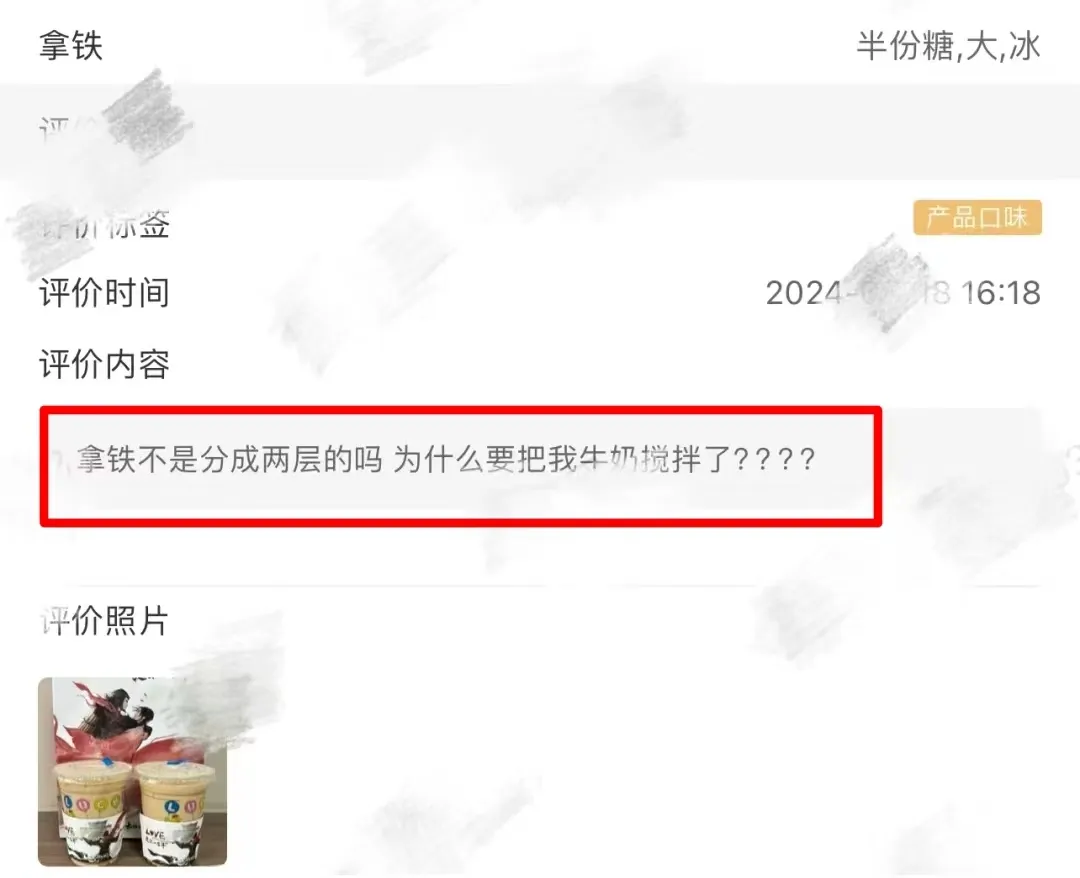
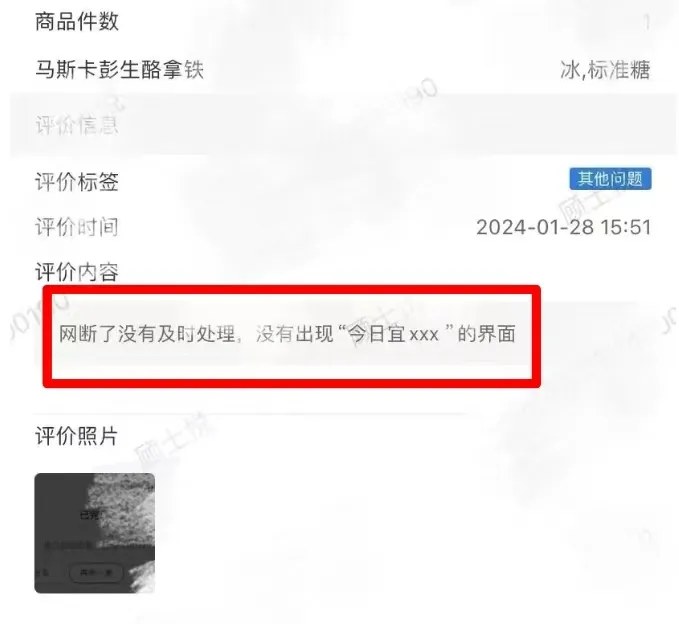
Some reviews also reveal a misunderstanding of basic preparation processes. For instance, one customer questioned, “Isn’t a latte supposed to have two layers? Why did you stir my milk?” In reality, the standard method for making a latte involves evenly blending fresh milk with espresso. If you prefer a layered effect, you might opt for products like a “flat white” or “drip-style coffee” that offer different presentations. Additionally, some customers have given poor reviews due to “the internet being down and the ‘Today’s recommendation: xxx’ interface not showing up in time,” highlighting their reliance on digital interaction experiences—though such features are not core to the coffee service itself.
Even more frustrating are complaints unrelated to the coffee itself, such as “They showed me the barista pouring hot water into the cup—it turned out to be my hot Americano.” In truth, a hot Americano is simply espresso extracted with hot water, which is part of the normal brewing process. Then there’s “Not letting me unwrap the straw, gave a bad review.” Typically, staff suggest customers unwrap straws themselves for hygiene and environmental reasons, but they’re happy to help if you ask. There are even comments like “My girlfriend drank the first sip,” “Ran into my ex.” Though these emotional factors have nothing to do with product quality, they’ve become odd reasons for some customers to give low ratings.
Beyond emotional and misinformed reviews, there are also excessive demands regarding service details—for example, “The label isn’t straight,” “I didn’t order from this store,” or “Did a newbie make this? No coffee in it.” In reality, coffee labels are mainly used for internal identification and managing service order—they don’t affect the drink itself if not perfectly aligned. As for ordering from the wrong store, the system usually has an order confirmation step, so customers are advised to double-check their chosen location when placing the order. The accusation of “no coffee in it” may stem from misunderstanding a certain caffeine-free specialty drink.
Delivery and pickup-related misunderstandings are also common. For example, “The takeout took over an hour to arrive.” In reality, that order might have been for pickup—the delivery times are simply different. Others have commented, “It’s so hot today, no ice is just ridiculous.” But in certain seasons or special circumstances, ice supply might be temporarily limited, so it’s advisable to call the store in advance to check. Moreover, “I was just in a bad mood” has also been cited as a reason for a negative review, reflecting customers’ psychological expectations of the service environment.
Some reviews even focus on product composition and visual presentation. For instance, “Only one-tenth coffee, nine-tenths coconut juice” might simply reflect a personal taste preference for a specific coconut-flavored drink. “Felt like they were making a mess, like a battlefield” reflects discomfort with the busy barista station—but managing workflow and efficiency during peak hours is actually a key focus of training in chain coffee shops. And then there’s “This door design is terrible,” which is just a personal impression of the physical layout—different stores have varying architectural structures and traffic flows.
Most laughable of all are comments like “Because he’s so handsome”—completely detached from the product or service itself. Though these leave baristas momentarily speechless, they also reveal the diverse and subjective nature of customer dining experiences. It’s worth noting that many negative reviews reflect not just isolated incidents, but also the pressures brought by review systems tied to employee performance. In some corporate management systems, excessive negative feedback can directly impact a staff member’s bonuses, promotions, or even job security.
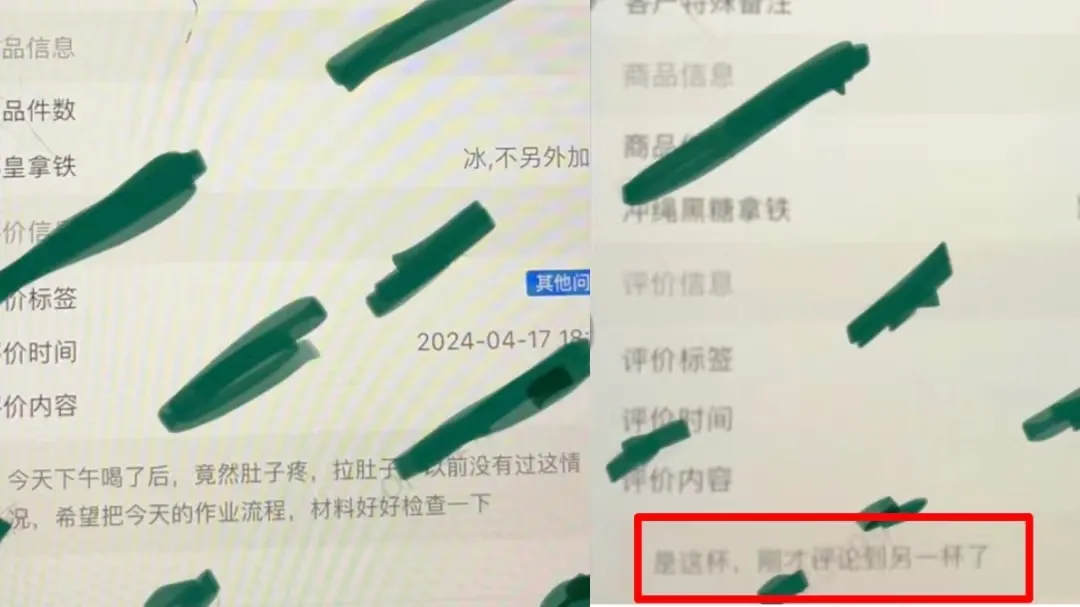
For consumers, leaving reviews is an important way to participate in market oversight. However, it’s advisable to communicate rationally with the cafe first—many issues can be resolved more amicably that way. For coffee professionals, each review is a reference for improving service, but they also hope customers will show a bit more understanding and recognize the complexities and challenges of service on the ground. After all,One less bad review means one less heartbroken person. Whether customer or service provider, mutual understanding and respect are the cornerstones of a positive consumer environment.
The above content is compiled by CoffeeHunters, a coffee news website.


