







Introduction:When a drink priced at just 10 RMB—made by brewing three spoonfuls of Nestlé instant coffee powder—went viral on social media after singer Guang Liang was spotted queuing up to buy it at an old shop in Nanjing, what underlying market psychology and coffee culture trends does this seemingly simple act of consumption reflect? This article dissects the entire incident—from the nature of the product, to the mechanics of virality, to consumer mindset—to help you understand the logic behind the explosive popularity of this “internet-famous pour over coffee.”
On the streets of Nanjing, an old sugarcane juice shop that has been in business for over 30 years unexpectedly sparked nationwide discussion by launching a special drink priced at 10 RMB—what’s being called a “pour over coffee,” though it’s actually made simply by mixing three spoonfuls of Nestlé instant coffee powder with hot water. Originally just a daily choice for local residents, it suddenly became the center of attention on social media platforms after well-known singer Guang Liang showed up at the shop and queued up to buy one.
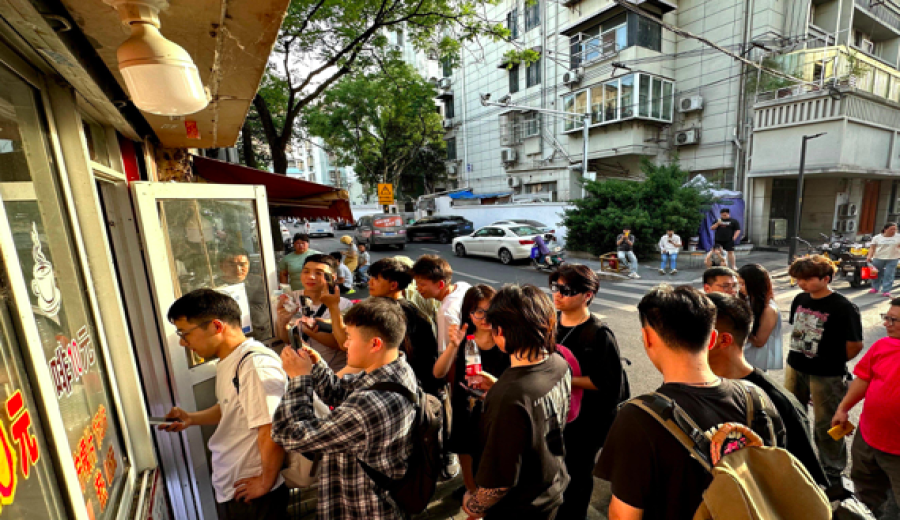
According to eyewitnesses, Guang Liang waited in line just like any other customer and ordered a glass of sugarcane juice along with one of these coffees. Even when the shop owner, Grandma Han, insisted on not taking his money, he invited her to come watch his concert in Nanjing the following evening. This gesture not only drew crowds of people gathering outside the shop with their phones to take videos, but also triggered extensive media coverage and support from various brands.
After the incident gained traction, Nestlé—the brand behind the instant coffee—proactively offered free ingredients and invited the shop owner to participate in a livestream event. Other companies such as Joyoung and Zhao Yiming Snacks also began showing up near the store. Notably, Grandma Han’s shop, which originally mainly sold sugarcane juice, saw its daily coffee sales skyrocket to several hundred or even a thousand cups within just a few days, often attracting groups of young people setting up various photography equipment for photo ops.
However, this so-called “pour over coffee” is actually made by simply brewing instant coffee powder with hot water—completely different from the traditional pour over method, which involves grinding, controlling water temperature, and mastering extraction techniques. The presence of additives such as non-dairy creamer in its ingredients has also raised health concerns among some consumers. Market alternatives offering freshly ground coffee at similar price points—such as Luckin or Cotti Coffee—clearly outperform in terms of quality and flavor, yet they have been unable to stop the rising trend of this “10 RMB instant pour over” craze.
Industry observers note that this phenomenon reflects the strong desire of today’s younger consumers to engage with “trend symbols”—the flavor or quality of the drink itself is not the primary concern; rather, it’s whether the product can become a topic for sharing on social media or align with the latest trends for influencer photo ops that drives purchasing decisions. For many people trying coffee for the first time, this low-cost product also serves as an entry point to understanding the concept of “pour over.”
Experts suggest that while such viral drinks may satisfy some consumers’ pursuit of affordability and novelty, true coffee enthusiasts might take this opportunity to explore further—trying the layered flavors presented by beans from different origins using professional pour over techniques, and thereby appreciating the diverse charm of coffee culture. After all, the allure of coffee lies not merely in its price tag, but in the nuanced sensory experience and craftsmanship behind its preparation.
The above content is compiled by CoffeeHunters, a coffee news website.


