







Introduction:Want to delve deeper into what makes Peru this rising South American coffee powerhouse unique? This article takes you on a journey through Peru’s three main coffee-growing regions — the north, central, and south — analyzing each area’s altitude conditions, climate characteristics, and corresponding flavor profiles of the beans. Whether you’re a pour over enthusiast or looking to try high-altitude beans, you’ll find inspiration for bean selection and flavor expectations here.
As one of the world’s major coffee-producing regions, South America is home to many well-known coffee-producing countries, such as Colombia, Brazil, and Ecuador. Yet, amidst all the buzz, Peru remains relatively low-key but boasts highly promising conditions for coffee cultivation. This highland nation, surrounded by the Andes Mountains, benefits from its unique geographical and climatic environment to consistently produce specialty coffee beans with delicate flavors and rich complexity.
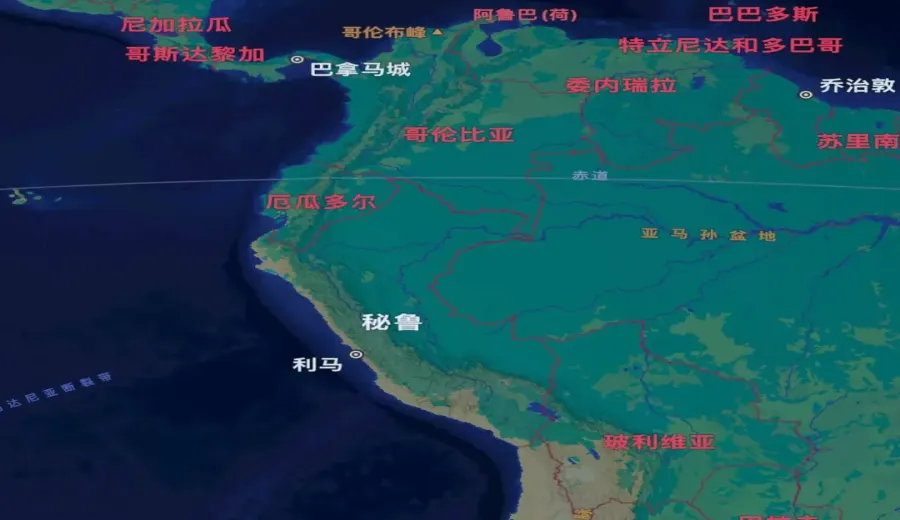
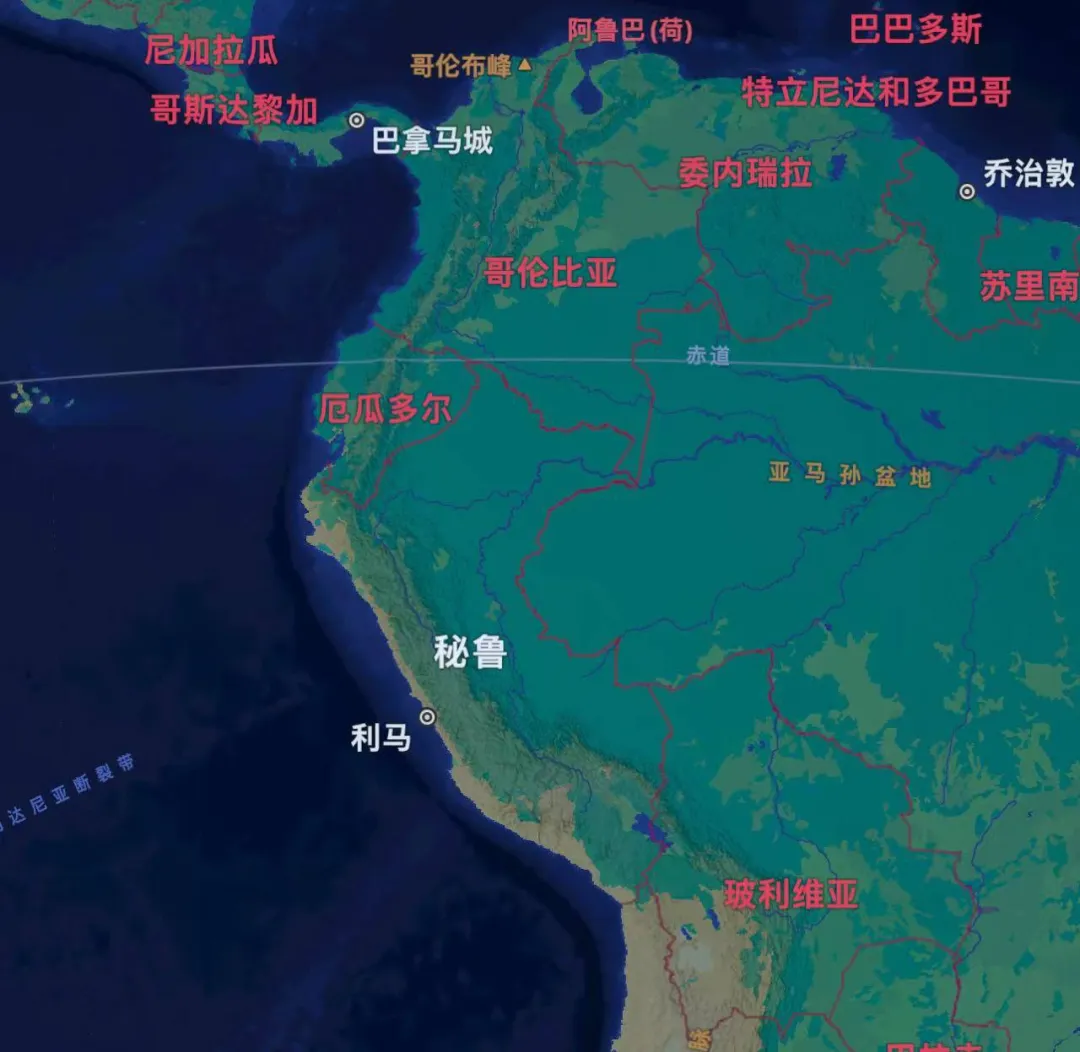
The full name of Peru is the Republic of Peru, located in western South America, bordering the Pacific Ocean to the west, and neighboring Ecuador, Colombia, Brazil, Bolivia, and Chile. It covers a total area of over 1.28 million square kilometers. The country features diverse terrain, ranging from coastal deserts in the west, the Andean plateau in the center, to the Amazon tropical rainforest in the east, forming a variety of microclimates and ecosystems. Among these, the central mountainous areas and surrounding highlands are most suitable for coffee growing.
Across this land of mountains and plateaus, coffee is primarily cultivated at elevations between 1,000 and 1,800 meters. The variety distribution is dominated by Typica (about 70%), followed by Caturra (about 20%), with other varieties such as Catimor making up a smaller proportion. This varietal structure, combined with high-altitude cultivation, gives Peruvian coffee generally bright acidity, rich aromatic layers, and a delicate aftertaste.
Taking a closer look at Peru’s coffee map, it can be divided into three main producing regions: the north, central, and south. Each area, due to its geographical location, altitude differences, and varying microclimatic conditions, produces coffee with distinct flavor characteristics.
First, we havethe northern region, which includes the regions of Amazonas, Cajamarca, Piura, and San Martín. It is Peru’s largest coffee-growing area, accounting for about 43% of the country’s total planting area. The cultivation altitude here is relatively high, ranging between 1,250 and 1,950 meters. Most farms are located on windward slopes at the foothills, enjoying a cool climate with significant day-to-night temperature variations. Under such conditions, the resulting beans typically exhibit pronounced acidity, concentrated and layered flavors, with a mix of fruity and floral notes upon tasting, while maintaining a moderate body — making them ideal for coffee lovers who enjoy vibrant acidity and aromatic intensity.
Next isthe central region, comprising the regions of Huánuco, Junín, Pasco, and Ucayali, accounting for about 34% of the country’s total coffee planting area. The altitudes here are relatively lower, mostly ranging from 800 to 1,200 meters, with a gentler climate and less pronounced day-to-night temperature variation compared to the north. This environment results in softer acidity in the beans, an overall smooth and mellow mouthfeel, with a clean and silky aftertaste — suitable for those who prefer balanced flavors and light to medium roasts. Coffee from the central region is often used in blends to provide a stable foundational flavor.
Finally, there isthe southern region, spanning Apurímac, Ayacucho, Cusco, Madre de Dios, and Puno, making up 23% of the national planting area. This region has the widest range of altitudes, stretching from 900 to 2,050 meters, resulting in significant microclimatic differences. Some high-altitude areas here produce coffee with exceptional richness and complexity. Southern-region coffee is known for its outstanding body, often featuring unique spicy notes, nutty undertones, and a sweet lingering aftertaste. It’s suitable for dark roasts or as a single origin, showcasing the depth and solidity of the South American highlands.
Overall, Peruvian coffee not only maintains a stable position among the world’s top coffee suppliers in terms of output, but also, thanks to its diverse geography and meticulous cultivation practices, exhibits highly distinctive flavor characteristics. Whether you’re seeking a bright, pour over-friendly bean or aiming to explore the bold potential of South American highland coffee, Peru’s three main regions offer a wide and rewarding selection to discover.
The above content is compiled by CoffeeHunters, a coffee news website.


