







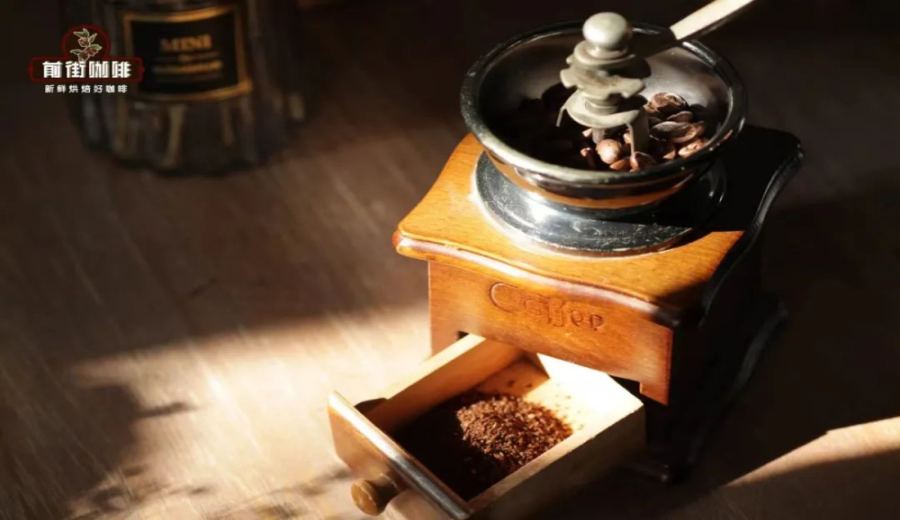
Introduction:The precision of coffee grinding is key to unlocking flavor, but there is no universal standard in the industry—common household items like granulated sugar, sea salt, and others are often used as references for particle size. This article delves into how these everyday analogies correspond to actual brewing methods, including granulated sugar grind for light to medium-light roast pour overs, sea salt coarseness recommended for French press, and the flour-like powder required for espresso and Turkish coffee. Mastering these comparisons helps you intuitively adjust your grinder settings, avoiding over-extraction or under-extraction.
In the world of coffee, there is no globally unified quantitative standard for grind size, so enthusiasts often refer to common food items like granulated sugar, coarse sugar, sea salt, fine salt, and flour to describe particle size. These analogies not only help beginners quickly grasp the concept of grind coarseness, but also make communication more intuitive. Different grind sizes correspond to different brewing methods and roast levels—from pour over to espresso—and selecting the right particle size is the crucial first step toward extracting the ideal flavor.
For example,a grind size akin to granulated sugarfeels smooth and has clearly defined particles—it is often used to describe the pour over grind suitable for light to medium-light roasted coffee beans. These beans are usually denser and do not easily release aroma, so a larger surface area and shorter extraction path are needed to effectively bring out their complex flavors. This grind size is commonly used in pour over brewing where layering and fruit acidity are desired.
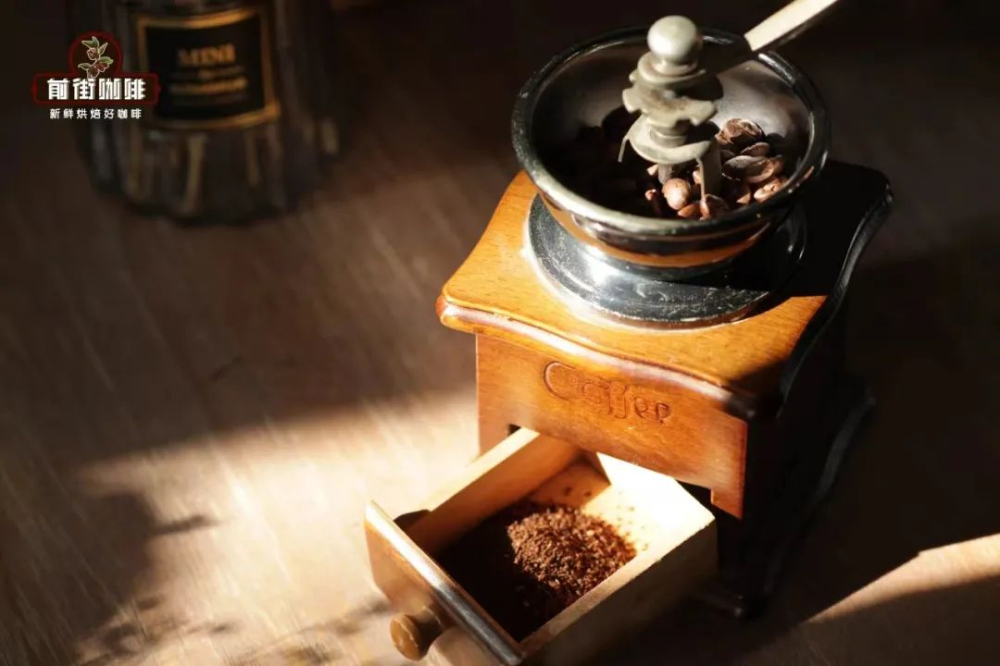
In contrast,coarse sugar or white sugar grindhas more noticeable particles and feels rougher, making it suitable for medium-dark to dark roasted coffee beans. These beans are less dense, and if ground too finely, hot water may pass through too quickly, resulting in over-extraction and bitter tastes. Therefore, maintaining a moderately coarse grind helps control extraction time and balance flavors—an insight gained through practical experience by many skilled pour over enthusiasts and baristas.
When we turn to immersion brewing methods such as French press or clever dripper,a sea salt-like grind sizebecomes the preferred choice. Sea salt grains are visibly coarser than those of coarse sugar, making them easy to distinguish by sight. This coarser powder can withstand longer steeping times while avoiding over-extraction, making it ideal for drinkers who enjoy a rich mouthfeel and full flavor expression. This grind method emphasizes stability and balance rather than instant release.
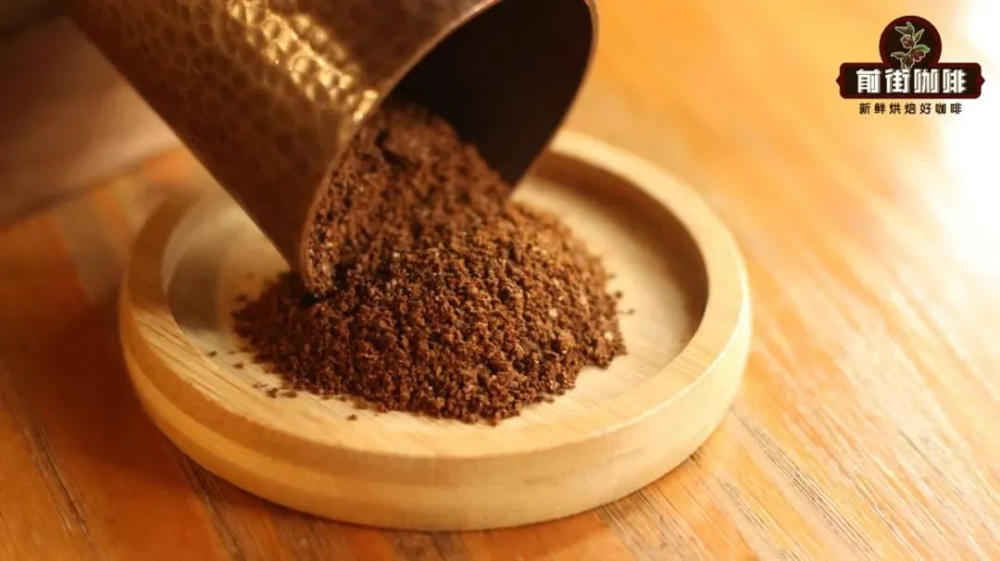
If you frequently use a Moka pot, a high-pressure brewing device with short extraction times, thena fine salt-like grindis your best bet. Fine salt, though still slightly granular due to re-crystallization, is finer than granulated sugar. This particle size allows the coffee essence to be quickly released during brief heating, suiting those who want intense flavor without excessive sediment. Note that this grind level may need fine-tuning based on your Moka pot model and heat intensity to achieve optimal performance.
Finally, when discussing ultra-fine grinds, one cannot overlookflour-like coffee powder. However, flour comes in various types, such as bread flour and cake flour, with slight differences in fineness. In the coffee world, espresso machines typically use a fine powder akin to all-purpose or slightly coarser flour—smooth yet with subtle granularity—which is key to effective high-pressure extraction of espresso. As for Turkish coffee or certain traditional Ethiopian brewing methods, an almost powder-like, grit-free consistency is required. This grind is achieved through repeated pounding to ensure the coffee particles can produce a smooth, intense brew even without filtration.
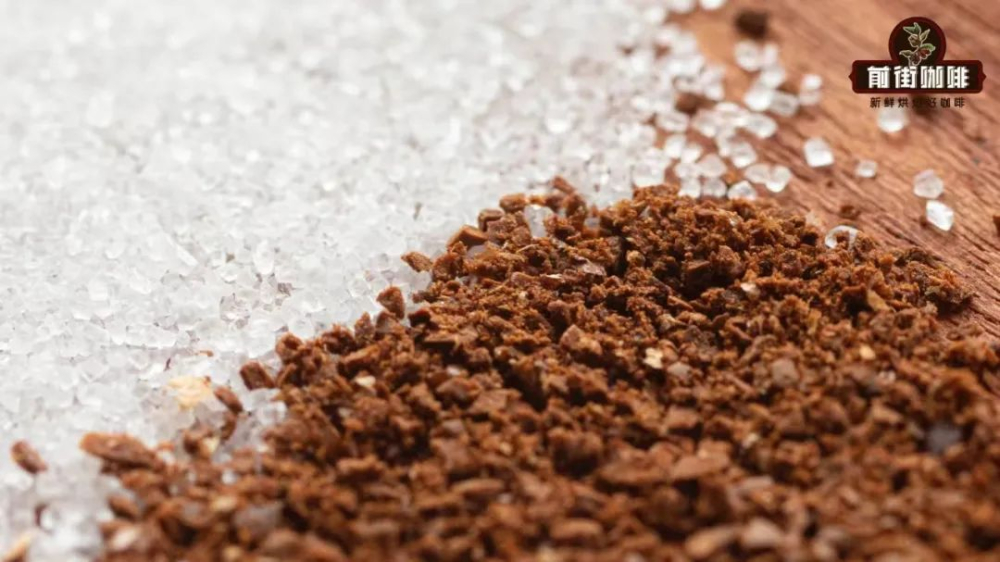
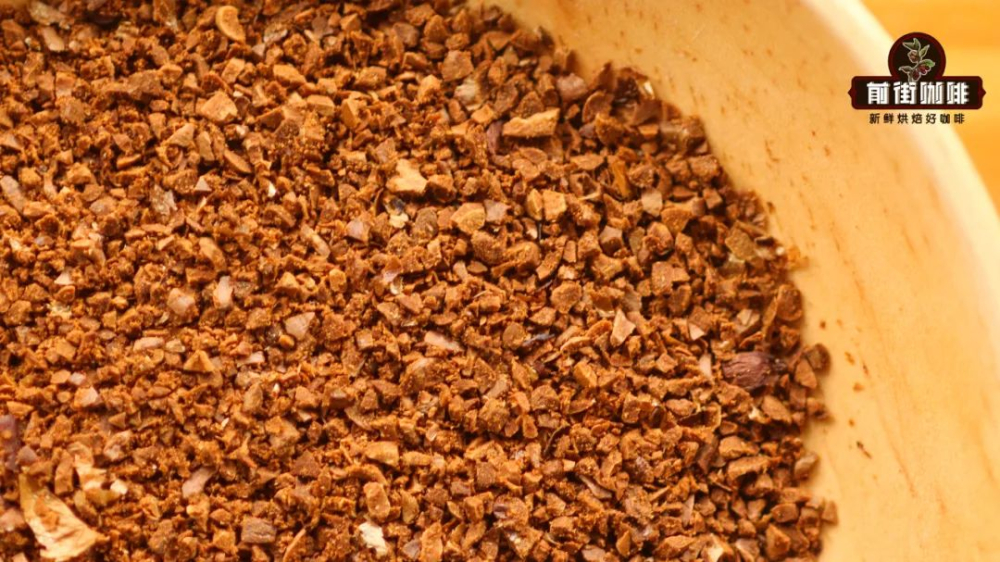
In summary, while analogies for coffee grind size are not exact sciences, they serve as valuable tools to help users intuitively understand and adjust their grind settings. Each analogy—granulated sugar, sea salt, or flour—represents a range rather than an absolute value. Understanding this will enable you to make more flexible adjustments tailored to different beans, roast levels, and brewing devices, thereby enhancing overall extraction quality and flavor expression.
The above content is compiled by CoffeeHunters, a coffee news website.


