








Introduction:Have you ever wondered why, when you walk into a café and order a latte, the barista automatically assumes you want one made with whole fresh milk? What makes whole fresh milk the golden standard for milk-based coffee drinks? This article delves into how the proteins, fats, and lactose in fresh milk influence the flavor and foam performance of coffee, and compares the key differences between pasteurized fresh milk and UHT shelf-stable milk in terms of sterilization methods, flavor retention, and shelf life—helping you make more informed decisions whether you’re brewing at home or selecting ingredients.
Walk into any café, whether it’s an independent shop on a Taipei street corner or a chain brand in a Hong Kong mall, and order a latte or cappuccino. Unless you specify otherwise, the barista will almost always use whole fresh milk to prepare it. This common practice is actually rooted in a wealth of knowledge about milk composition, foam stability, and coffee flavor balance.
Why do cafés generally prefer low-temperature whole fresh milk? How do the proteins, fats, and lactose in milk affect the taste and texture of a milk coffee? From both scientific and practical perspectives, we break down the roles these components play in foam formation and overall coffee performance, while also comparing the real differences between pasteurized fresh milk (low-temperature milk) and UHT (ultra-high temperature) sterilized milk (shelf-stable milk), so you can make more suitable choices when brewing at home or selecting materials.
The variety of milk available on the market is overwhelming, ranging from whole, low-fat, and skim milk, to various flavored and high-protein products, making it hard to choose. But no matter which city you’re in, if you walk into a café and order a milk coffee without specifying, the barista will likely prepare it with whole fresh milk. This leaves many consumers puzzled: why does everyone seem to default to whole fresh milk?
The answer lies in the composition of milk. Milk mainly contains proteins, carbohydrates (primarily lactose), fats, and small amounts of minerals. Among these, the proteins consist mainly of whey protein and casein, both of which play crucial roles in steaming and frothing milk.
When steam is injected into milk, whey protein acts first, forming a thin film around the air bubbles and encapsulating the air to create an initial bubble structure. Casein then attaches to the outer layer of the bubbles, increasing the surface tension at the liquid-air interface. It’s like putting a protective coating on the bubbles, reducing the likelihood of rupture and making the foam more stable and longer-lasting.
As for carbohydrates, the primary sugar in milk is lactose. Compared to the sucrose we’re familiar with, lactose has a very low sweetness level. Using sucrose sweetness as a benchmark of 1.0, lactose scores only 0.16, so relying solely on lactose makes it difficult to achieve a noticeable sweet taste. Interestingly, however, lactose’s sweetness increases with temperature. Between 60°C and 70°C, lactose and other sugars are most active—this is why many baristas heat milk to this range, making the milk coffee smoother and slightly naturally sweet.
The impact of fat on milk coffee is equally significant. The fat content in milk directly affects how rich and creamy the texture is. Compared to whole milk, skim milk, with its very low fat content, often gives a thin and bland impression—a direct result of the absence of fat.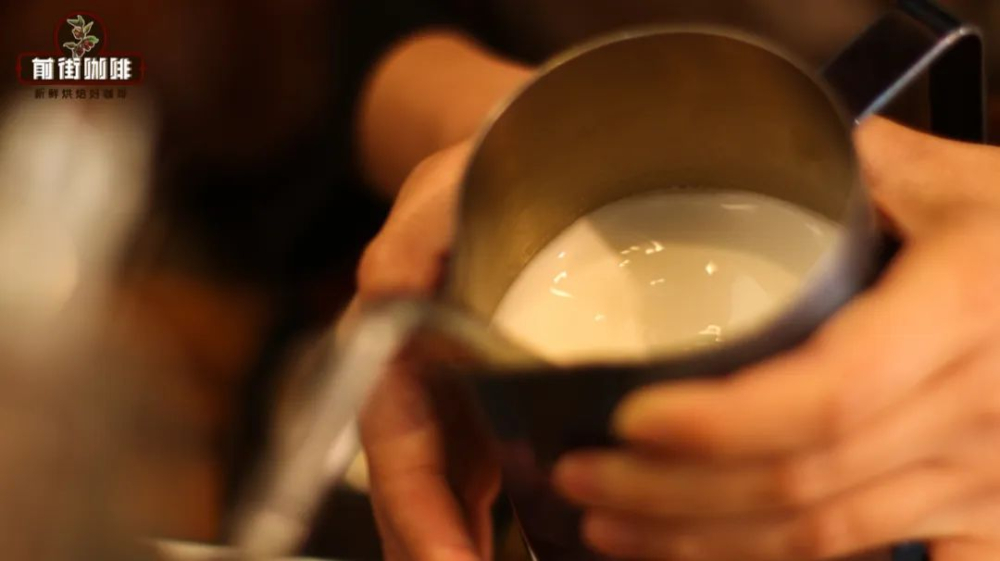
Additionally, fat contributes to the stability of milk foam. When milk is heated above 40°C, the lipids gradually melt. These lighter-density fat molecules attach to the surface of the bubbles, further reinforcing the outer structure of the foam and slowing down its dissipation. In contrast, skim milk lacks this fatty protective layer, causing the foam to break easily and significantly reducing its stability—this is one of the reasons why professional cafés rarely use skim milk for milk coffee.
But does this mean that the higher the levels of protein, fat, and lactose in milk, the better? Not necessarily. When these components are overly concentrated, the flavor of the milk itself may overpower the coffee, especially with certain highly concentrated or purified milk types—though they may taste rich, they can easily throw off the balance of the milk coffee.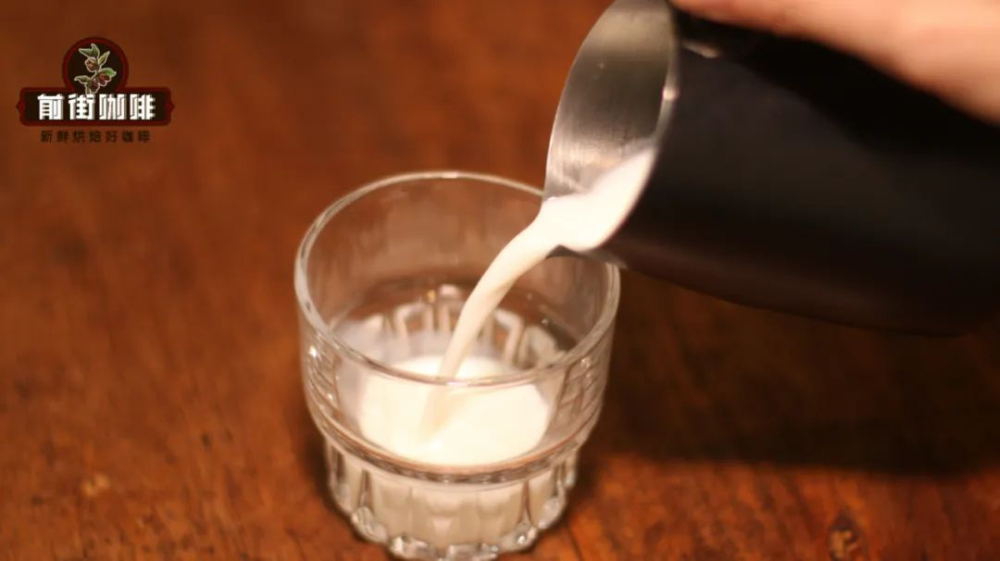
Moreover, while moderate amounts of protein and fat help with foam generation and stability, excessive fat content can actually weigh down the delicate foam structure, causing it to collapse quickly. Therefore, choosing milk isn’t about “the richer, the better,” but rather finding the right balance that complements the flavors of the coffee.
Speaking of milk types, we must also discuss sterilization methods. Commercially available fresh milk is mainly divided into two categories: low-temperature fresh milk treated with pasteurization, and shelf-stable milk processed via UHT (ultra-high temperature instantaneous sterilization).
Pasteurization typically uses relatively low temperatures of 70°C to 75°C, applied for a sustained period, which preserves the natural flavor and nutrients of milk to the greatest extent. As a result, the taste is richer, creamier, and smoother, but the shelf life is shorter—it usually needs to be refrigerated and can only be kept for about two weeks. Improper storage can easily lead to spoilage.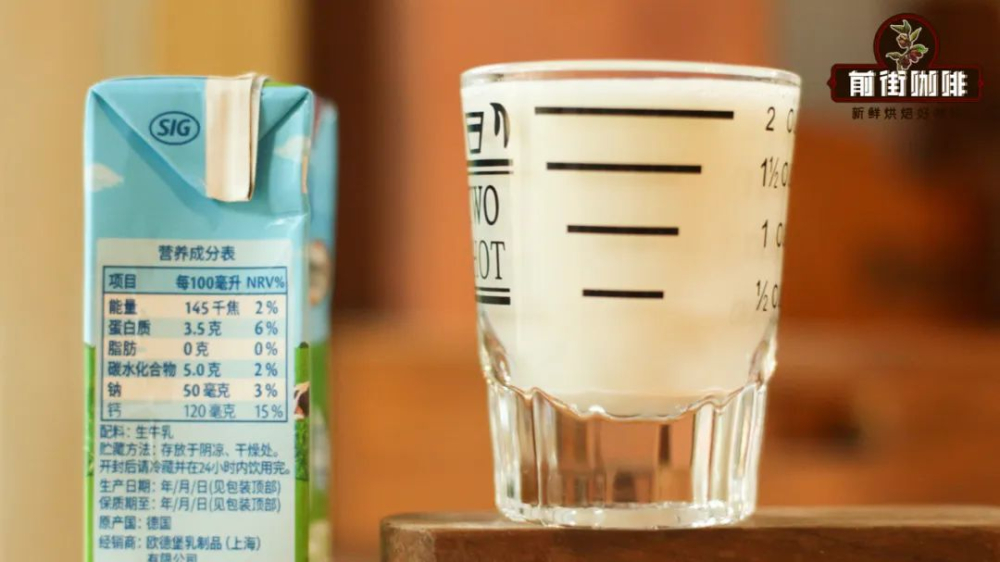
In contrast, UHT sterilization involves heating milk to 135°C to 150°C for just 2 to 5 seconds, effectively killing nearly all microorganisms. This allows the milk to be stored at room temperature for up to 6 months or even longer, greatly enhancing its convenience for distribution. However, the high temperature also destroys some heat-sensitive nutrients and flavor compounds, resulting in foam that may last longer, but with an overall taste that is less rich than that of pasteurized fresh milk.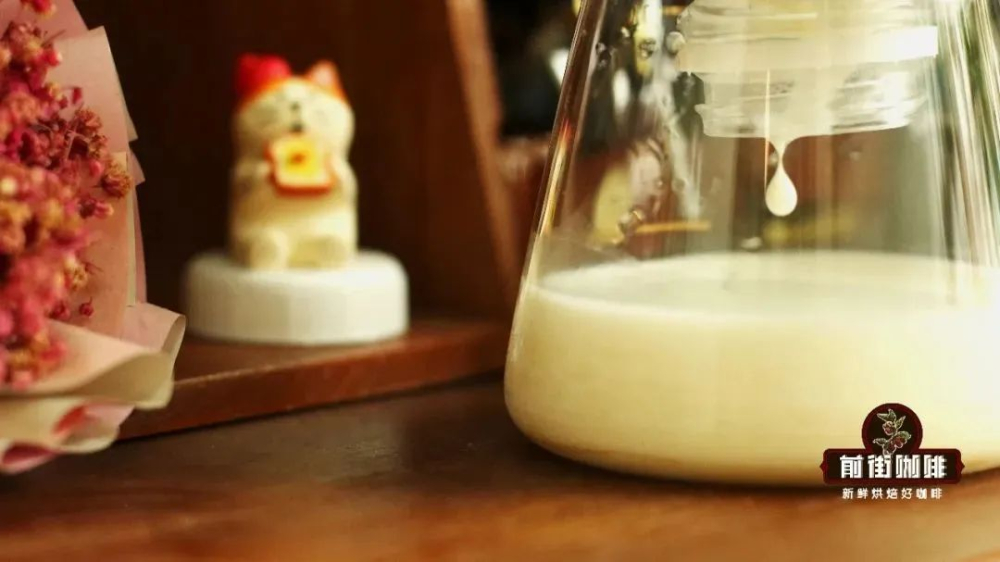
For the average home user, the difference between the two types of milk may not be very noticeable during daily brewing. But for cafés aiming for a more nuanced flavor profile, using low-temperature pasteurized fresh milk means richer taste, better foam texture, and a more authentic coffee flavor expression. This is why, whether you’re a beginner or a professional barista, understanding these differences is essential when selecting milk, in order to brew a truly satisfying milk coffee.
The above content is compiled by CoffeeHunters, a coffee news website.


