







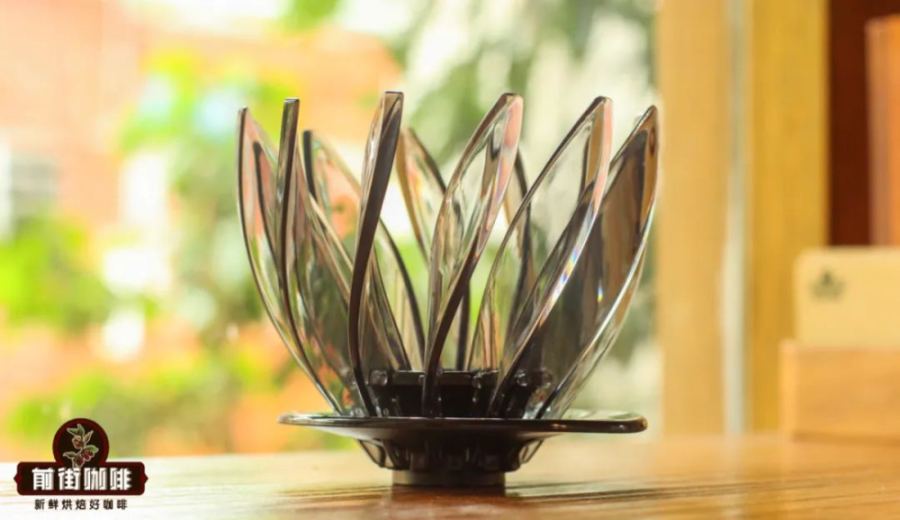
Introduction:The Hario Lily Dripper stands out with its unique 12 detachable petal design, forming a striking contrast to traditional one-piece drippers. Not only does it boast a distinctive aesthetic, but it also offers a fresh take on the practicality and enjoyment of pour over brewing. This article delves into its flow rate performance, differences compared to the V60, and shares real-world insights on optimal coffee-to-water ratios, filter paper choices, and versatile brewing methods — helping you unlock the potential of this dripper in flavor tuning.
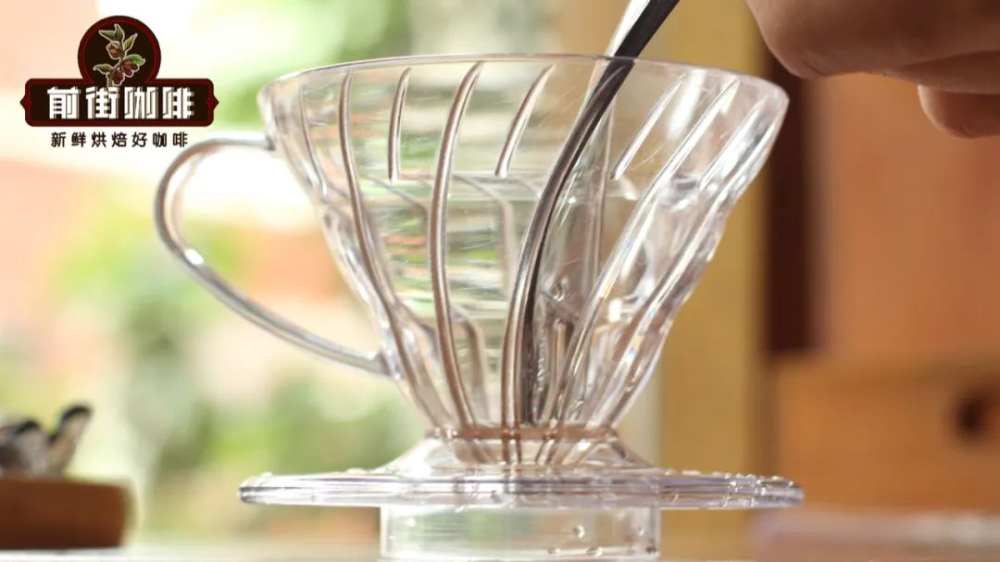
The biggest highlight of the Hario Lily Dripper is its innovative structure composed of 12 detachable petals and a base. This non-monolithic design not only breaks away from the conventional integrated dripper format but also provides a high degree of flexibility and visual variation. Made from heat-resistant and durable resin, each petal comes in various colors to suit personal styling preferences. Uniquely, it lacks a traditional cup wall; the filter paper is entirely supported by the petals, which serve not only as structural supports but also as pathways that guide the water flow.
According to practical tests, when the dripper is filled with water, its average flow rate is about 8 milliliters per second. This speed is noticeably faster than the Kono dripper’s 5 ml/s but slightly slower than the V60’s 10 ml/s, placing its overall performance in the moderately fast range. However, it’s important to note that the longer petal design requires the kettle to be held higher during pouring, resulting in greater water impact. Using less than 20 grams of coffee grounds can easily lead to over-extraction, negatively affecting taste complexity.
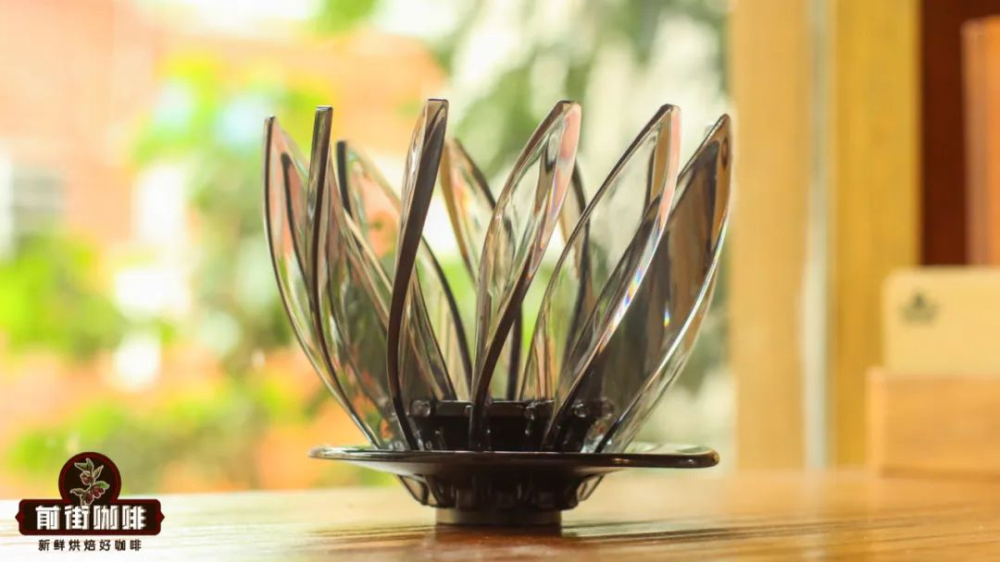
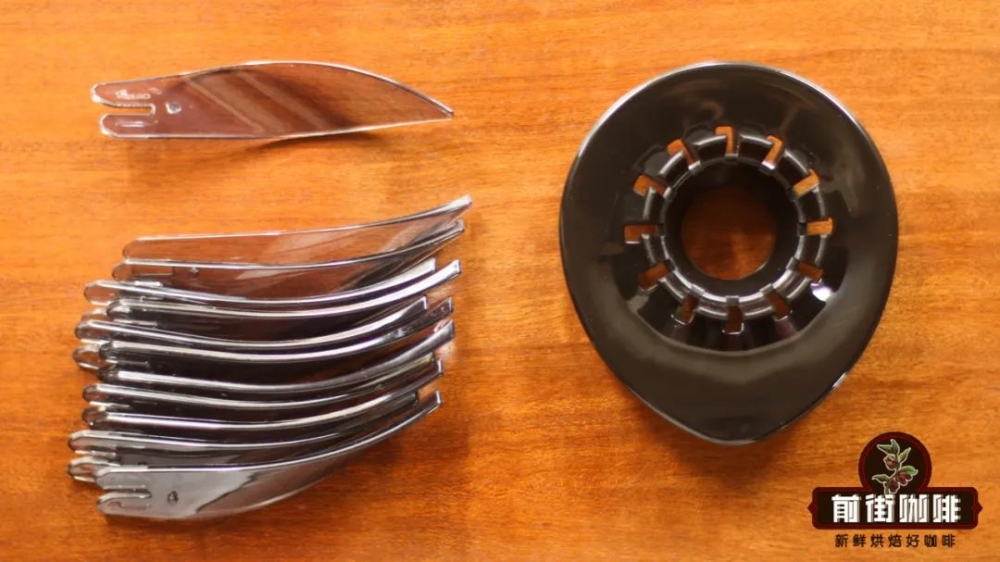
Most drippers on the market are made as single integrated pieces, but the Hario Lily Dripper is assembled using a base paired with 12 petals, allowing for easy disassembly and flexible construction. The base itself consists of a ring-shaped main body and a support structure, while the petals — besides offering a variety of color options — are thoughtfully designed for assembly. Any petal with the “Hario” marking on its slot is positioned on the outer side; simply inserting these petals outward ensures correct assembly without worrying about reversing their direction.
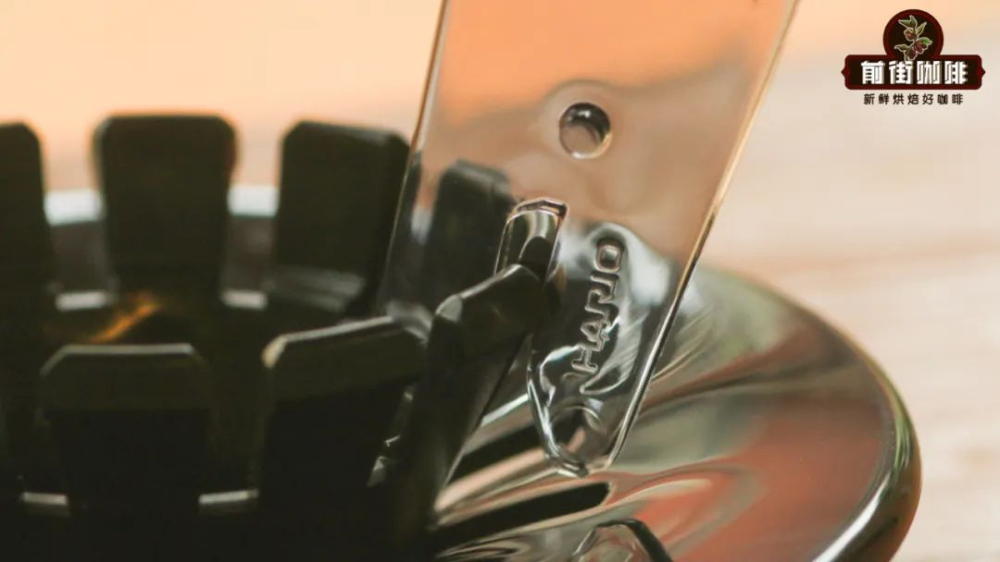
It’s worth mentioning that there are no additional latches or locking mechanisms between the petals and the base, which may cause concern about stability for first-time users. However, tests show that the deep grooves on the petals, along with small protrusions on the bottom of each petal (as shown by the black dots in the picture), securely lock into the base. Even with vigorous shaking, the petals remain firmly in place without interfering with the normal brewing process. Of course, if the entire dripper is inverted, the petals will naturally come loose — this is by design.
Since the overall dripper has no solid cup wall, the filter paper is entirely supported by the petal structure. In addition to holding up the paper, the petals also function similarly to the V60’s guiding ridges, distributing the water flow evenly. Interestingly, despite the absence of a cup wall, coffee liquid doesn’t leak excessively through the gaps between the petals in actual use, and bypass flow is not a significant issue, so users don’t need to worry too much about uneven flow or excessive bypass extraction.
Many coffee enthusiasts and bloggers who have tested the Lily Dripper found that the curvature of its petals is nearly identical to the V60’s guiding ridges, and both feature 12 of them — prompting curiosity as to whether its drainage speed is similarly fast. Test results indicate that while the flow rate is quick, it is still slightly slower than the V60. Specifically, the V60 averages 10 ml/s when full, the Lily Dripper around 8 ml/s, and the Kono 5 ml/s. This performance places the Lily Dripper in the “moderately fast” category, suitable for those seeking bright acidity without over-extracting the coffee’s flavors.
Officially, this dripper is designed to accommodate 1 to 4 servings, theoretically compatible with both small doses (under 20 grams) and larger ones (20 to 40 grams). However, practical experience shows that in its standard, fully assembled configuration, using less than 20 grams of coffee can cause issues. The long petals necessitate a higher kettle position when pouring, increasing water impact. This tends to heighten extraction efficiency but can also lead to fine coffee grounds settling and clogging the filter paper, resulting in over-extraction and an imbalanced final flavor. In tests, obvious over-extraction occurred even during single-serving brews with insufficient coffee amounts.
To achieve more stable extraction, it is recommended to use 20 grams or more of coffee. This helps reduce water impact and promotes more uniform extraction. Moreover, as the dose increases, it’s advisable to switch to larger 02-sized filter paper — 01-sized paper won’t hold enough water, reducing filtration efficiency. The officially recommended filter size is indeed 02.
After multiple comparative tests, coffee brewed with the Lily Dripper under correct usage conditions shows no significant flavor difference compared to a standard V60 dripper. As such, users can treat it as a V60 equipped with 02 filter paper for pour over brewing. There’s no need to adjust core parameters like grind size, water temperature, or pouring technique — just get started with ease.
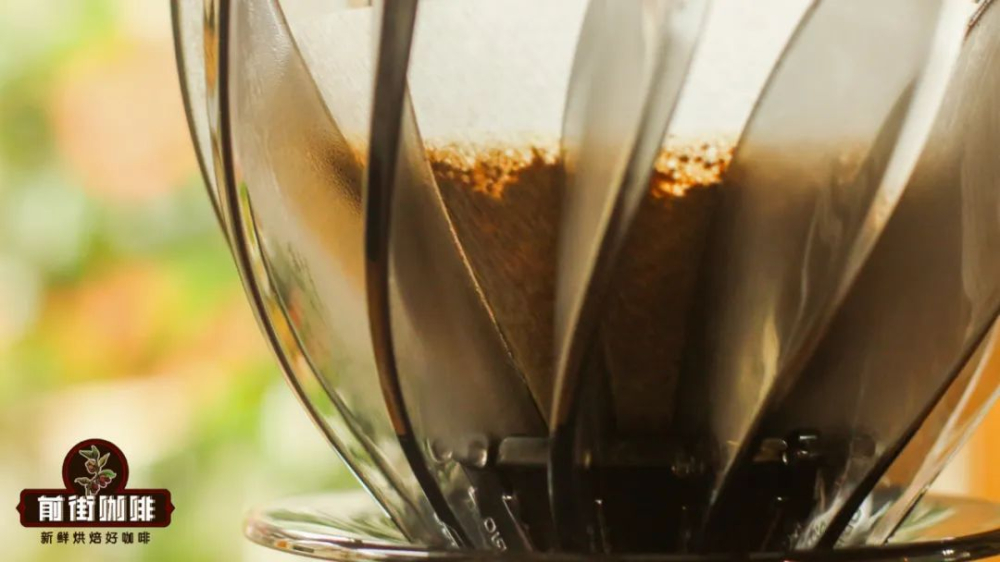
Beyond standard usage, the Lily Dripper’s detachable petal design adds rich variety to pour over brewing. If you’re brewing just a single serving, try removing one petal to create more space, lowering the kettle height and reducing direct impact on the coffee bed. This helps stabilize extraction and avoid over-extraction. This simple method can effectively improve brewing results with smaller coffee amounts.
If you find the look with one petal removed incomplete, you can also challenge yourself by keeping just six petals and reassembling them symmetrically. Even with half the number of petals, the dripper can still stably support the filter paper. Although the area supported by the ribs is reduced — possibly causing slight movement — the flow rate and overall stability remain within acceptable limits.
Additionally, because the Lily Dripper’s base isn’t fixed, it can also serve as a substitute support for other cone-shaped drippers without bases — for example, the Origami dripper can be stably placed on the Lily base for brewing. This creative usage further expands the potential applications of the Lily Dripper and is well worth trying for coffee enthusiasts who enjoy experimenting with different setups.
In summary, the Hario Lily Dripper is more than just an eye-catching design piece. Its detachable petal structure brings added functionality and versatility to pour over brewing. Whether you’re a beginner seeking stable extractions or an advanced user looking for creative variations, this dripper offers a unique brewing experience. If you’re curious about how dripper structure and flow rates influence flavor, give it a try and discover your own optimal brewing method.
The above content is compiled by CoffeeHunters, a coffee news website.


