







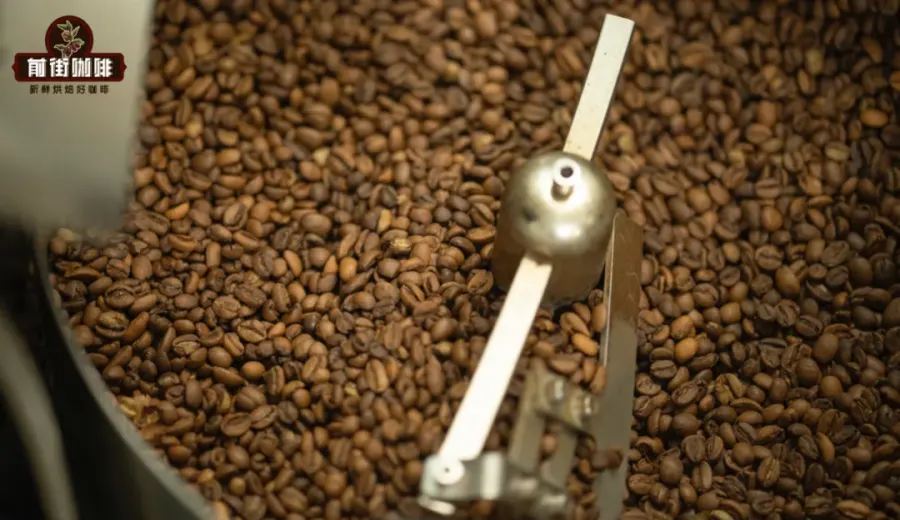
Introduction:The freshness and optimal consumption period of coffee beans directly affect the flavor performance of pour over brewing. This article delves into pour over strategies for both extremely fresh and expired beans, including how to optimize extraction by extending the bloom time, adjusting water temperature and grind size, and analyzes the common causes of over-extraction. With practical parameter suggestions using a light roast bean as an example, it helps you flexibly adjust based on the condition of the beans to achieve ideal flavors.
The freshness of coffee beans has a significant impact on the results of pour over extraction. Freshly roasted beans contain a large amount of carbon dioxide, which hinders the contact between hot water and the flavor compounds inside the beans, leading to incomplete extraction. In contrast, coffee beans that have passed their optimal consumption period lose flavor compounds and thus require different extraction strategies. This article will detail how to adjust pour over parameters for these two extreme scenarios, particularly how to improve extraction by extending the bloom time and fine-tuning grind size and water temperature, while also analyzing common causes of over-extraction in pour over brewing.
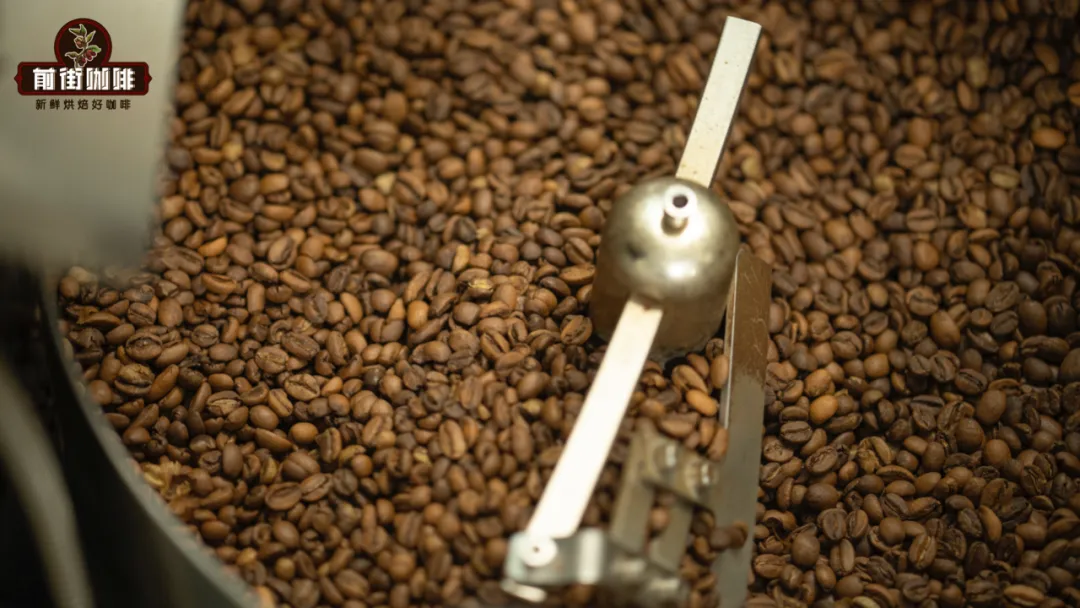
When dealing with freshly roasted beans full of carbon dioxide, extending the bloom time is the most direct solution. The generally recommended bloom time is 30 seconds, but for extremely fresh beans, it is advised to extend the bloom to 35–40 seconds. The exact duration can be adjusted based on roast level: the darker the roast, the higher the carbon dioxide content tends to be, and the longer the bloom time required. This extended bloom not only helps release excess gases but also allows hot water to penetrate more evenly into the core of the beans, laying a solid foundation for subsequent extraction.
In addition to extending the bloom, improving overall extraction efficiency is key. Relying solely on a longer bloom cannot fully resolve the issue of carbon dioxide hindrance, so it is recommended to adjust other parameters simultaneously. Taking a common light roast pour over recipe as an example: using 15 grams of coffee grounds, a 1:15 brew ratio, a water temperature set at 92°C, paired with an ek43 grinder at setting 10, and a V60 filter. On this basis, you might consider slightly increasing the water temperature by 1–2°C or grinding one notch finer to effectively boost extraction yield. Additionally, controlling the flow rate and moderately extending the total brew time are also effective ways to enhance extraction performance. Note that only one of the above adjustments should be made at a time—over-adjusting may lead to over-extraction.
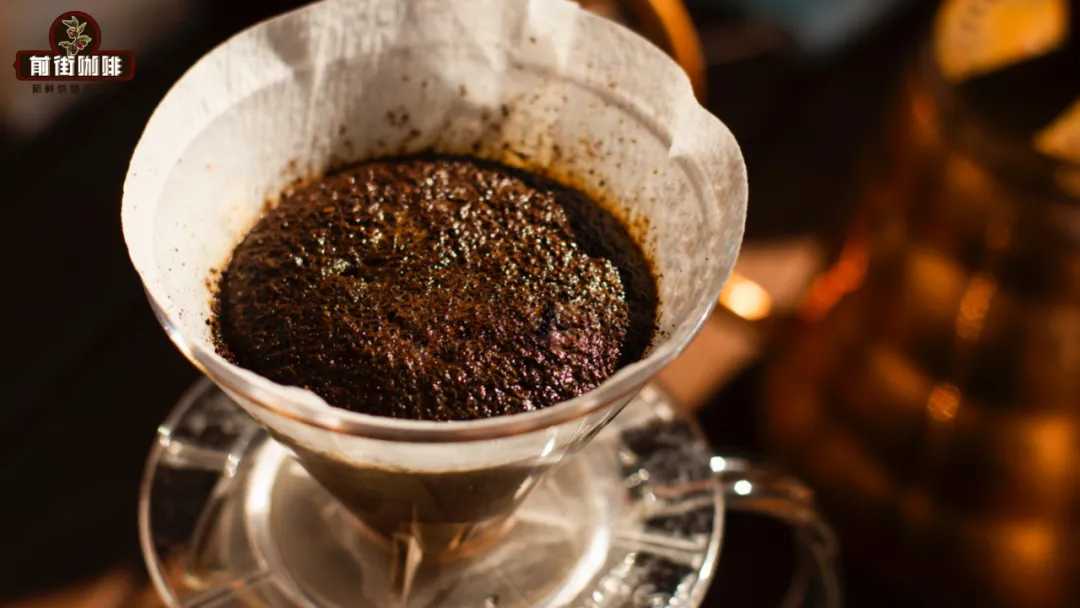
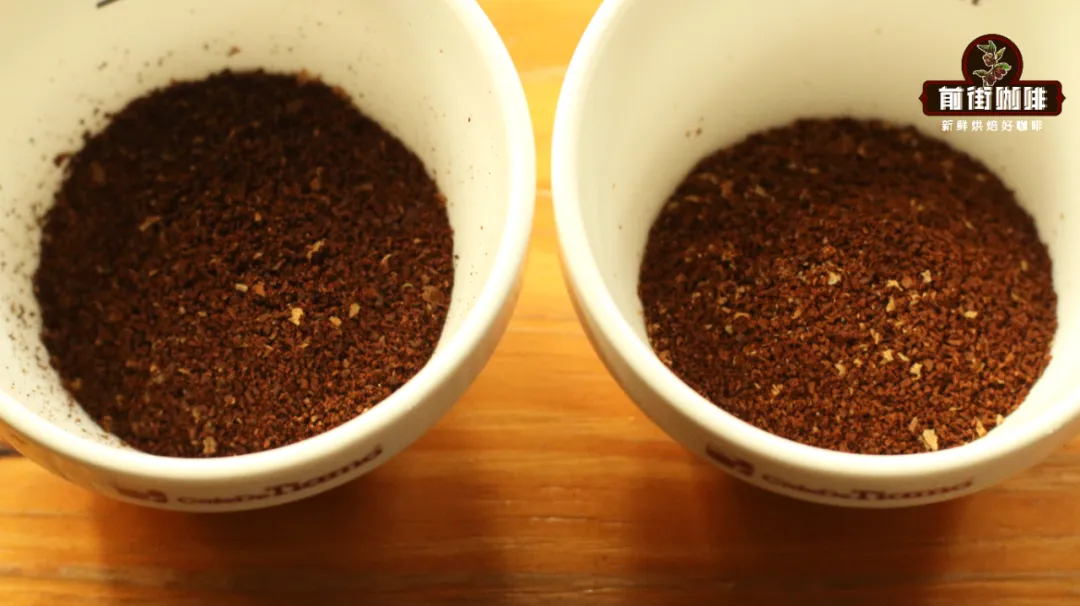
For coffee beans that have passed their optimal consumption period, flavor compounds gradually diminish, and the focus of extraction shifts to avoiding bitterness, astringency, and off-flavors caused by over-extraction. Due to the reduced aromatic compounds in the beans, it is advisable to moderately lower the water temperature, typically to 90°C or below, and slightly coarsen the grind size—for instance, adjusting from ek43 setting 10 to 9—to reduce the extraction yield per unit time. In addition, shortening the total brew time is also a common practice, helping preserve residual flavors and minimize the risk of over-extraction.
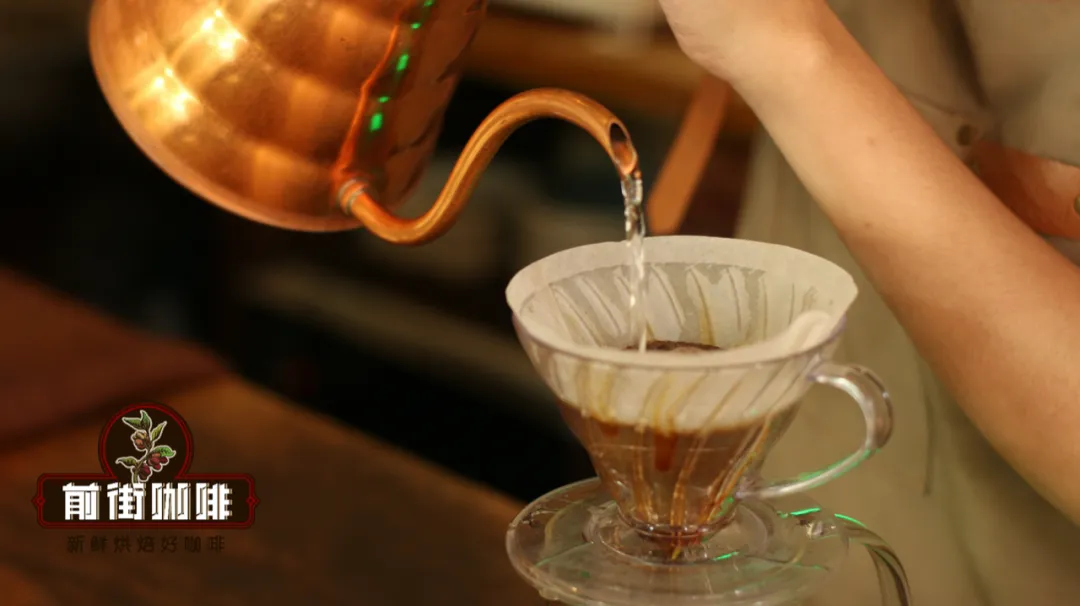
Common causes of over-extraction in pour over brewing include excessively high water temperature, overly fine grind size, too long a brew time, or excessive agitation. When these factors combine, undesirable substances in the coffee (such as excessive tannins and impurities) are overly released, resulting in a bitter, dry taste, or even paper-like or woody notes. To avoid this, it is recommended to confirm the roast date and storage condition of the beans before brewing, and adjust the three key elements—water temperature, grind size, and brew time—according to actual conditions. A stable flow rate and even pouring technique are equally important, as they help improve the balance of extraction.
In summary, whether dealing with extremely fresh or nearly expired coffee beans, there are suitable pour over strategies. Fresh beans require extended blooming and moderate parameter adjustments to overcome the barrier of carbon dioxide, while older beans need lower water temperatures and coarser grinds to avoid over-extraction. By understanding these variables and practically adjusting water temperature, grind settings, and brew time, even beginners can make the most suitable brewing choices based on the condition of the beans, enjoying a more ideal coffee flavor experience.
The above content is compiled by CoffeeHunters, a coffee news website.


