







Introduction:The coffee market is highly competitive. In the past 90 days, Luckin’s rival, Cotti Coffee, has closed nearly 250 stores, while Luckin only closed 89 during the same period — a stark contrast. What exactly is causing Cotti to struggle? From data falsification reported by franchisees, to subsidies that fail to retain partners, to the founder being subjected to compulsory enforcement, a series of issues have come to light. This article will take an in-depth look at the crisis facing Cotti.
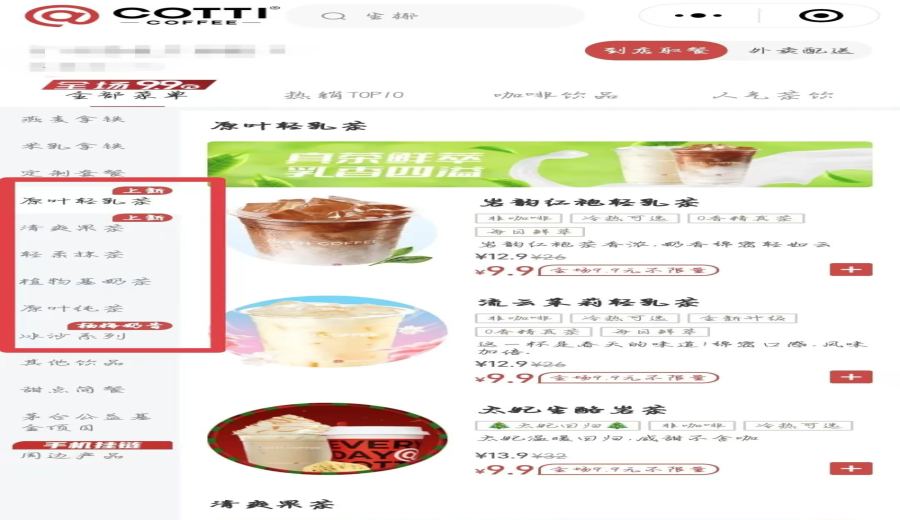
In the past year, the coffee industry has seen nearly 90,000 new store openings, with a net increase of over 48,000. The market competition has reached a white-hot stage. Many brands are pulling out all the stops to break through, yet Cotti Coffee, ranked third in store scale, made the surprising move in April to venture into the tea beverage business, launching new milk tea and fruit tea products that have nothing to do with coffee. This move is quite puzzling, especially since Cotti already has a tea brand called Tea Cat that focuses on human-machine collaboration. In reality, this reflects the harsh truth that franchisees are gradually losing hope for profitability and choosing to cut their losses and exit.
A franchisee from Hubei recalled encountering numerous anomalies during the store preparation phase. The Cotti recruitment team provided foot traffic data around the store that was far from the actual situation. The recruiters claimed there were over 8,000 residents nearby and about 1,500 office workers in nearby office buildings, all of whom could be potential coffee consumers. However, after conducting an on-site visit, the franchisee discovered that the actual number of people working in the office building was only two to three hundred, and given their salary levels, it would be difficult for them to consistently consume coffee.
Some might think the recruiters were simply using fake data to deceive people, but it’s not entirely the case. A former staff member responsible for store reviews admitted that the huge discrepancies in the data were due to Cotti using third-party traffic assessment software that pulled data from several years ago, not the latest actual figures. Cotti seemed unconcerned about the accuracy of this data and instead used these seemingly impressive numbers as a key basis for its store opening strategy, thereby setting an industry record of “opening 7,000 stores in 14 months.” However, behind this record lies widespread dissatisfaction among franchisees with the poor store opening strategy.
Aside from issues with foot traffic data, Cotti also provided seriously misleading projections of profitability to its franchisees. According to franchise recruitment materials obtained by Phoenix News’ “Storm Eye,” the brand painted a rosy picture of “getting rich quickly” for its partners: if a store sells over 400 cups a day with an average order value of more than 16 yuan, the operating profit could reach 50,000 yuan; if the average order value could hit 22 yuan, the profit could even soar to 100,000 yuan. Many people signed franchise agreements after seeing such appealing blueprints. But the reality is that the ideal break-even model is completely out of touch with market conditions. Daily sales and average order values in actual operations simply cannot meet the baseline, shattering franchisees’ dreams of getting rich overnight and making the return on investment seem forever out of reach.
To retain franchisees, Cotti rolled out a series of subsidy policies and repeatedly extended their implementation periods. Even so, it still couldn’t persuade franchisees to keep operating money-losing stores. As a result, closing down or transferring the stores has become the choice for many, with related discussions frequently appearing on social media platforms.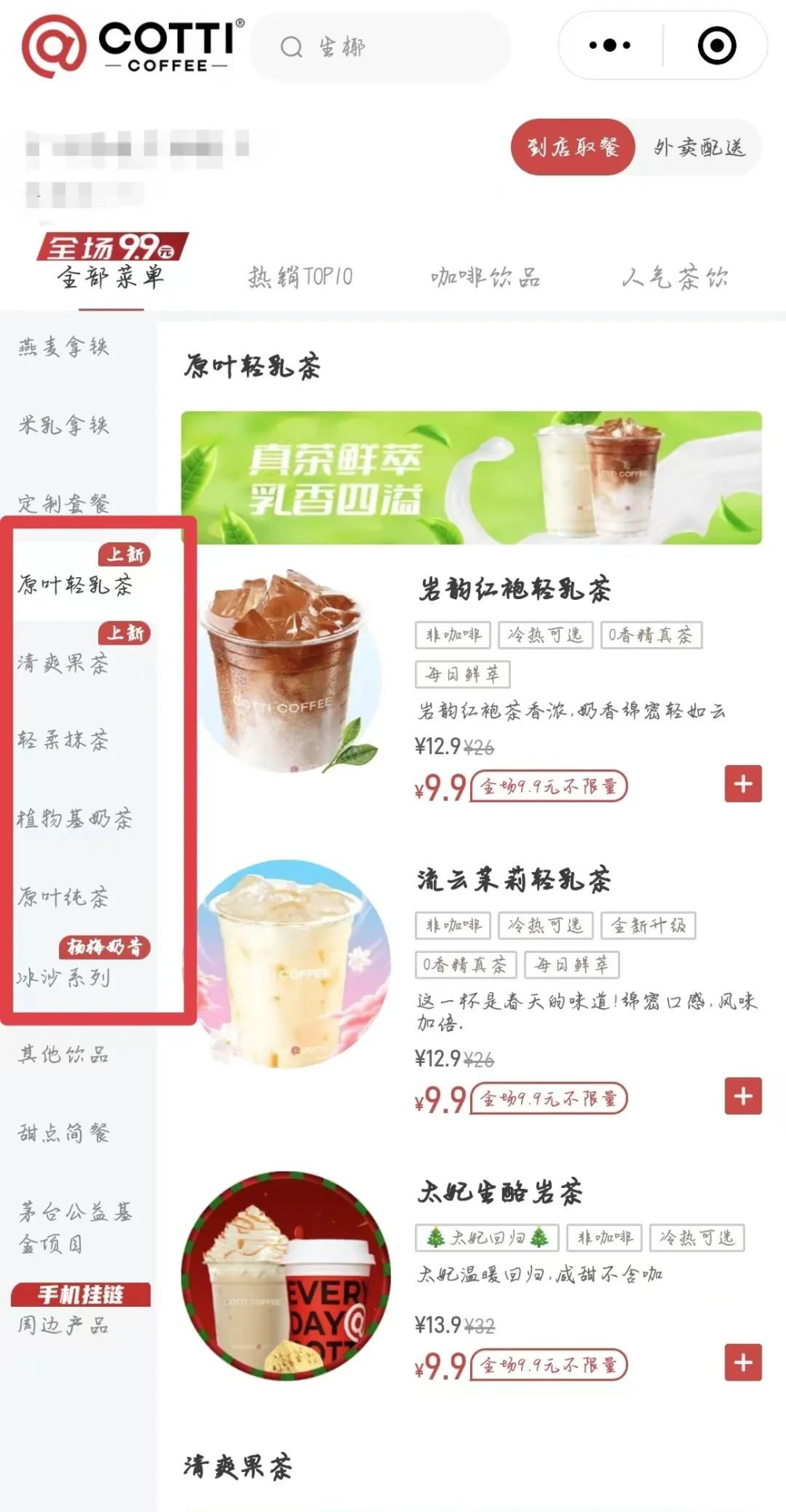
Monitoring data from Jihai Brand on April 28 showed that Cotti had closed 250 stores in the past 90 days, equivalent to three closures per day. For comparison, Luckin, which has more than twice as many stores as Cotti, only closed 89 during the same period. Cotti’s wave of store closures triggered a series of chain reactions, with pay cuts and layoffs becoming hot topics. More and more employees have exposed internal issues within the company, including unpaid wages and shifting conflicts between the company and franchisees onto the latter. Coupled with previous consumer complaints about store stockouts and long-term “sold out” displays, Cotti’s brand image has taken a hit both internally and externally, leaving franchisees increasingly wavering in their commitment.
The final straw that broke the camel’s back for franchisees was the news in April that the “founder of Cotti was subjected to compulsory enforcement,” which trended on social media. The report that Lu Zhengyao was subjected to compulsory enforcement of 3 billion yuan within a year quickly spread after being covered by the media, dealing an unquestionably heavy blow to Cotti’s brand image. Already unpopular among consumers, Cotti’s sales further declined, and hopes for profitability became even more distant. Those franchisees who once grew with Cotti are now increasingly eager to walk away and no longer want to be the brand’s “accompanying runners.”
The above content is compiled by CoffeeHunters, a coffee news website.


