







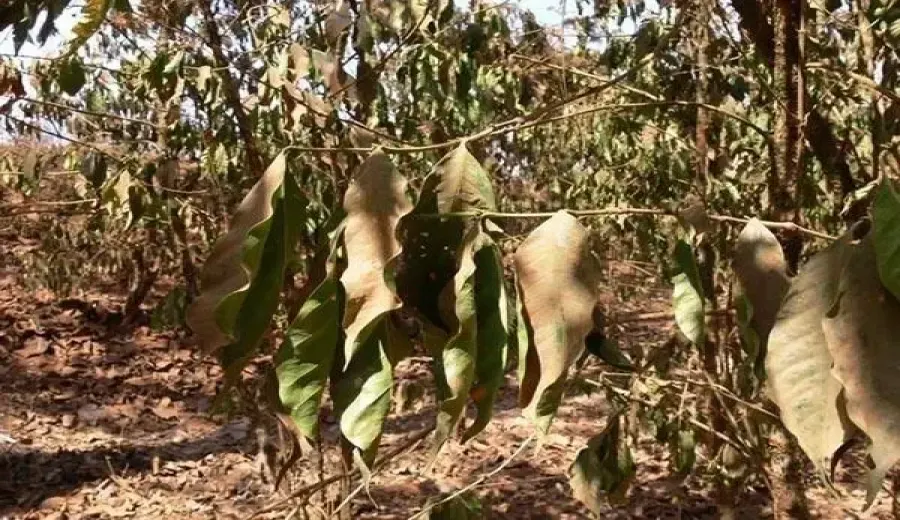
Introduction:The global supply of Robusta coffee is facing severe challenges. Key producing regions such as Vietnam and Brazil have been hit by persistent droughts and uneven rainfall, hindering the growth of coffee trees and leading to significant production declines. Analysts predict that the global Robusta coffee market could face a supply shortfall of 2.7 million bags in 2025, with price trends drawing close attention. This article will take you through the current situation in the producing regions, the causes of the decline in output, and future market changes.
The global supply outlook for Robusta coffee is becoming uncertain due to extreme weather. Vietnam and Brazil, the two major producing regions, have recently experienced consecutive issues with drought and uneven rainfall distribution, severely impacting the growth and yield of coffee trees. Professional analysis agencies point out that in 2025, the global Robusta coffee market may face a supply gap as high as2.7 million bags, putting considerable upward pressure on market prices.
Take Vietnam as an example—Dak Lak Province, the core area of the country’s coffee production, contributes about one-third of the nation’s total output. However, around40% of coffee trees there still face water shortages, especially during the critical fruit development period, where insufficient moisture directly affects both yield and quality. The Buon Ma Thuot Coffee Association in Dak Lak Province noted that the average rainfall in May this year was only20 to 30 millimeters, far below the usual level of around200 millimeters, marking a drop of over50%, a worrying situation.
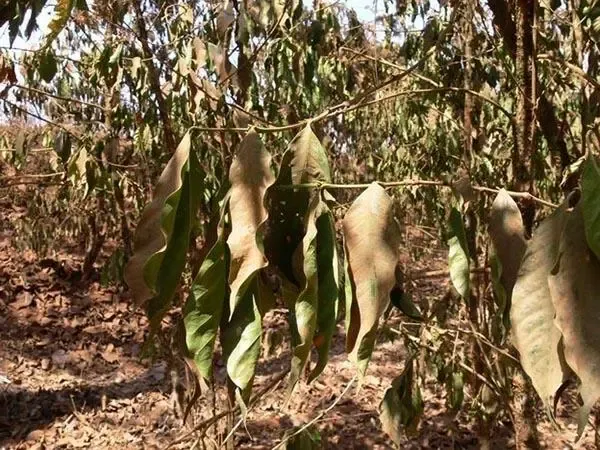
Although some areas have recently received some rainfall, the distribution remains uneven and the total volume is still insufficient to effectively alleviate the drought. The Vietnam Coffee - Cocoa Association stated that due to the drought, Vietnam’s Robusta coffee production this year may decline20%, falling to its lowest level in nearly four years—approximately1.472 million tonnes, further pushing up domestic coffee bean prices to100 million Vietnamese dong per tonne.
Not only Vietnam, but Brazil is also facing a serious situation. As one of the world’s largest coffee producers, Brazil’s Minas Gerais state—the country’s primary coffee - producing region—has gone without rain for three consecutive weeks, and weather forecasts indicate that the entire month of May may remain dry. These extremely dry climatic conditions pose a major threat to the growth of coffee trees and fruit development.
On the other hand, although export data from Brazil and Vietnam in April showed increases in both production and exports, coffee inventories on the Intercontinental Exchange (ICE) have returned to normal levels, and recent rainfall in Vietnam has temporarily eased the drought. This once led to a downward trend in coffee prices. However, the good times didn’t last long. As the weather in the producing regions continues to deteriorate and supply expectations decline, coffee prices have already begun to rebound, indicating that market concerns about future supply are intensifying.
Market experts pointed out that in addition to Vietnam and Brazil, coffee - producing regions in Indonesia are also being affected by weather factors, further exacerbating the global supply pressure on Robusta coffee. The global financial services platform Marex Group Plc analyzed that due to the simultaneous decline in production in the three major producing regions—Brazil, Vietnam, and Indonesia—the global Robusta coffee market in 2025 is very likely to experiencea significant supply gap of 2.7 million bags, which will add uncertainty and upward price risks to future price trends.
It is worth noting that Robusta coffee is commonly found in instant coffee, espresso blends, and many commercial brands, and is popular due to its stronger flavor and relatively affordable price. However, this supply crisis may affect the purchasing costs and product choices of end - consumers, and coffee - loving consumers may feel the impact of price fluctuations in the future.
The above content is compiled by CoffeeHunters, a coffee news website.


