







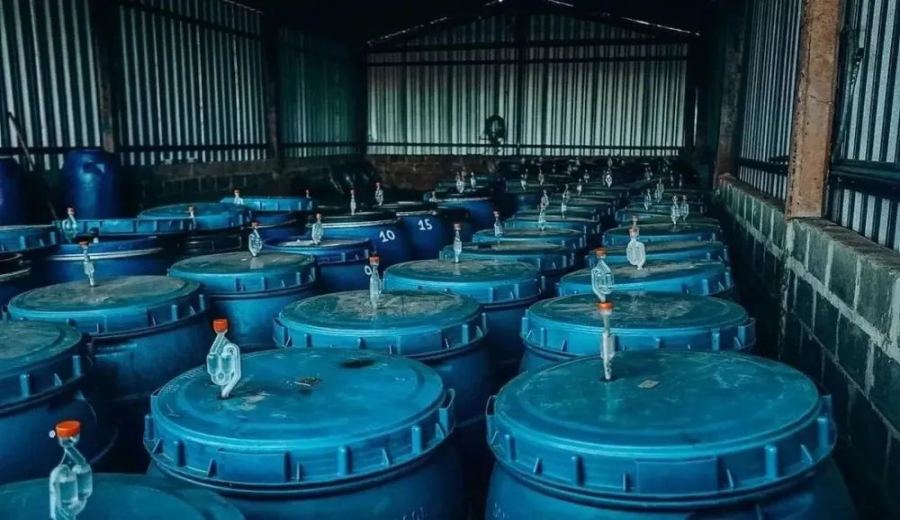
Introduction:From traditional natural processing to innovative anaerobic fermentation, the evolution of coffee processing methods is not just a technological advancement but also a journey of flavor exploration. This article delves into the naming conventions and technical evolution of anaerobic processing, helping you understand how different methods influence coffee flavors and uncovering the secrets behind unique estate-naming practices—so you can better appreciate the story behind each cup.
Today’s diverse coffee processing methods reflect not only technological innovation but also a shift in industry mindset from “efficiency-first” to “flavor-first.” From the sole option before the 18th century—natural drying—to subsequent developments like washed, honey, and wet-hulled processes, and then the anaerobic fermentation revolution that shook the specialty coffee scene in 2014, each breakthrough has been tied to deeper insights into fermentation science. Meanwhile, to highlight the uniqueness of their anaerobic methods, many estates have put great effort into naming their processes, incorporating elements like time, temperature, and microbial strains. This article will guide you through the development of coffee processing methods, analyze the logic behind anaerobic fermentation naming, and explore how more comprehensive traceability information can make processing nomenclature more standardized and transparent.
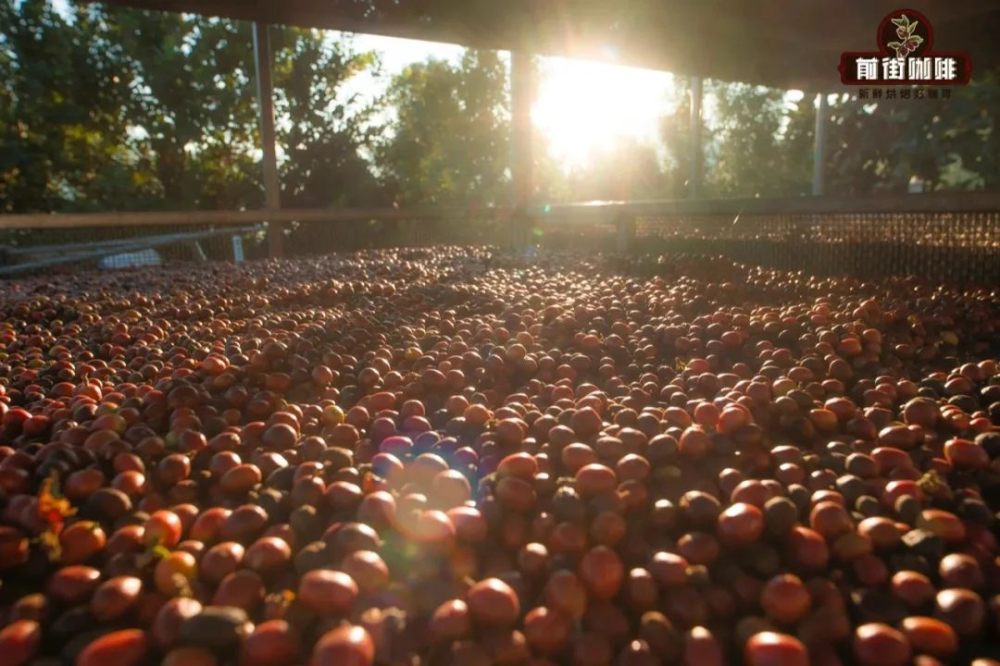
The growing diversity of coffee processing methods is fundamentally about unlocking flavor potential and meeting consumers’ varying taste preferences. In other words, modern processing is no longer just about adapting to local climates or improving efficiency—it’s focused on how to make coffee express more distinctive and recognizable flavors. Early methods were largely practical: before the 18th century, natural drying was the only option, relying on abundant sunlight to dehydrate coffee cherries naturally. But looking back, we see that processing evolution has always revolved around two main axes: environmental adaptation and flavor shaping.
Take washed processing as an example. This technique originated in the early 18th century in the West Indies, now part of Indonesia. Due to the region’s humid, rainy climate, it couldn’t rely on stable sunlight for natural drying like other tropical producers. Attempting to sun-dry in such conditions would not only drastically extend drying times but also risk mold or rot due to trapped moisture. Thus, washed processing emerged—removing the skin, pulp, and mucilage before drying. This method not only cut drying time by about half but also improved the coffee’s overall cleanliness and clarity. Later, to boost efficiency further, Brazil developed the wet-hulled method, while Central America and parts of Africa created variations like honey and semi-washed processes based on local conditions.
With the rise of specialty coffee culture, people gradually realized that the profound impact of processing on flavor hinges on the types of microbes involved in fermentation and the degree of fermentation. This awareness drove coffee processing toward greater diversity and stylistic expression. For instance, honey processing has branched into black honey, red honey, yellow honey, and white honey, each with distinct flavor profiles shaped by differences in fermentation time and mucilage retention. Later, some Colombian estates discovered through experimentation that adjusting the fermentation environment could unlock unprecedented unique flavors, bringing anaerobic fermentation to the forefront of the coffee industry. In 2014, a coffee processed anaerobically stood out in a Costa Rican competition, marking anaerobic fermentation’s official entry into the mainstream.
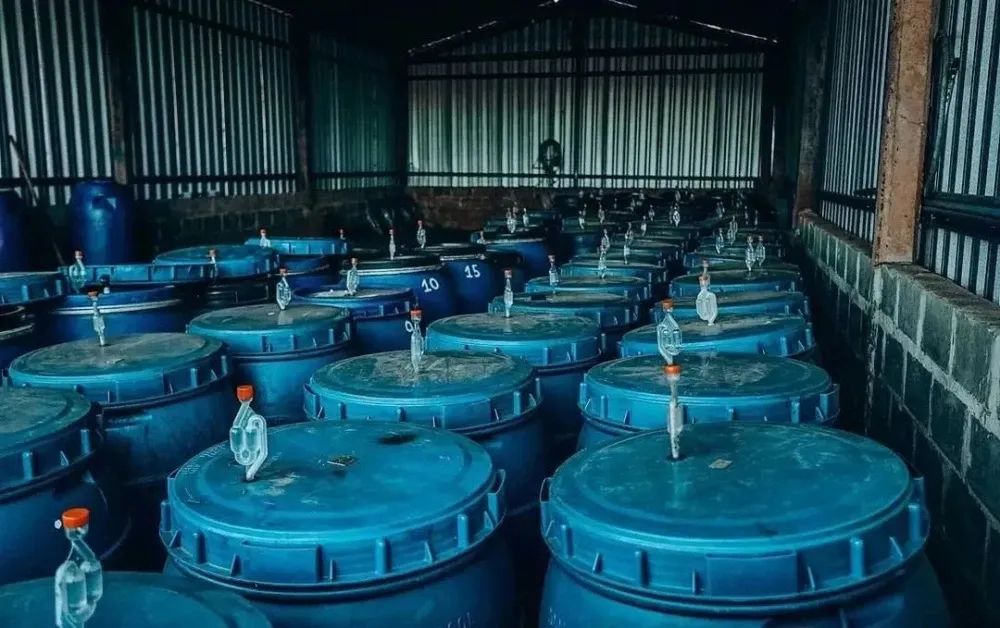
The appeal of anaerobic fermentation lies in its high complexity and technical demands. In an anaerobic environment, factors like temperature, time, pH, and microbial composition must be precisely controlled—any slight variation can dramatically alter the final flavor. As a result, each estate often develops its own unique anaerobic recipe, creating hard-to-replicate flavor characteristics. To stand out in the market, many estates highlight key parameters in their process names, such as emphasizing “24-hour anaerobic,” “low-temperature slow anaerobic fermentation,” or even adding special steps like “thermal shock” or “cold shock” as distinguishing features. Such naming strategies not only showcase processing uniqueness but also help consumers better understand the craftsmanship behind their coffee.
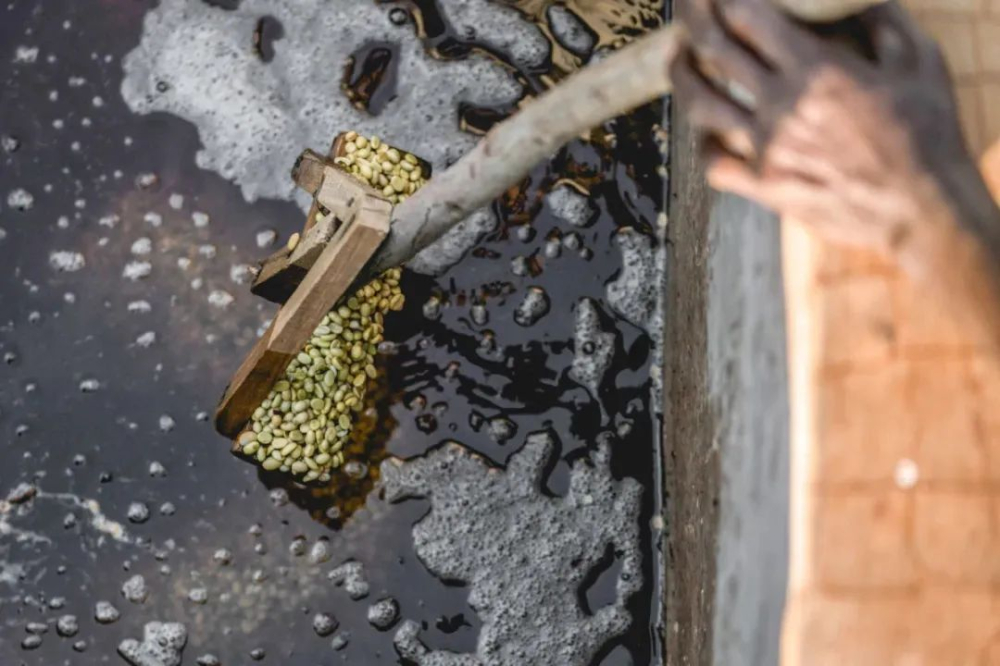
Notably, early coffee processing names were often broad—even when methods and fermentation conditions varied greatly, they might all be labeled simply as “washed.” For example, Ethiopia and Kenya both use washed processing, but their actual workflows, fermentation times, and final flavor profiles can differ completely, yet consumers see the same processing name on the packaging. This reflects the shortcomings of past naming systems and explains why today’s names are increasingly precise and diverse. On one hand, this aims to fully showcase coffee’s diverse flavor potential; on the other, it reflects the industry’s growing emphasis on traceability and processing transparency. Understanding this background will help you better appreciate the craftsmanship and story behind each cup as you taste your coffee.
The above content is compiled by CoffeeHunters, a coffee news website.


